The deal puts Black Bear Diner on Craig Road
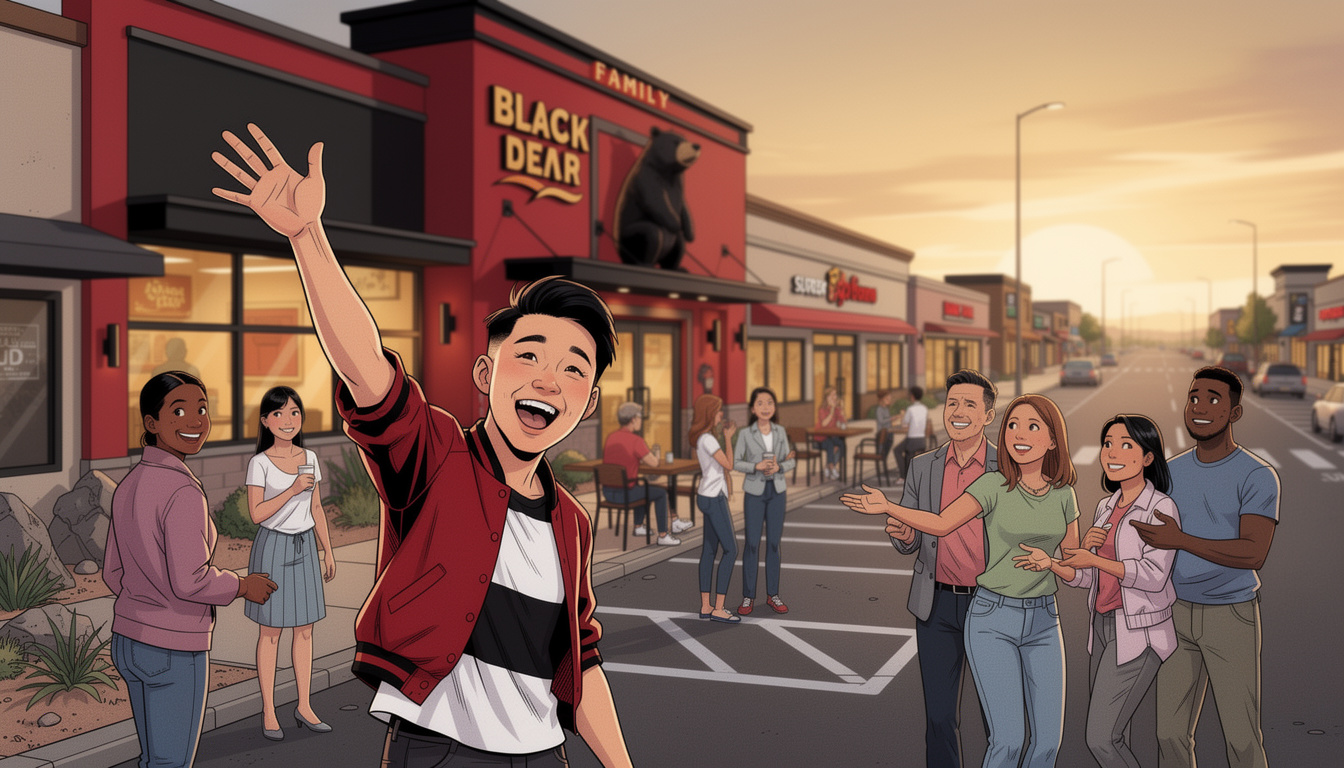
Follow the money, but start with what has actually been disclosed. Black Bear Diner has confirmed a new restaurant at 4388 West Craig Road in North Las Vegas, near the intersection of Craig Road and Valley Drive. The company identifies the site as part of the Travel Center and says it will serve breakfast, lunch and dinner.
The chain has not published the project cost, lease terms, restaurant size or a firm opening date. Its announcement simply describes the location as coming soon and directs customers to check back for updates. That distinction matters. The commitment is real, but the opening calendar remains fluid until the company puts a date on the door.
The location also corrects the market map. This is not a Craig Road and Losee Road project. It sits several miles west, along a heavily traveled commercial stretch of Craig Road near established neighborhoods and the North Las Vegas Airport area. That gives the restaurant access to local households, commuters and customers already using the corridor for everyday retail and services.
Why this address carries weight
A family-dining operator needs more than visibility. It needs repeat customers across multiple dayparts, convenient vehicle access and enough nearby households to sustain weekday business after the opening buzz fades. Black Bear Diner is positioning this restaurant to compete for breakfast, lunch and dinner spending rather than depending on a single rush.
That is the strategic value of Craig Road. The corridor is not a speculative strip waiting for its first rooftops. It is an established east-west commercial artery serving a growing city. The restaurant’s placement at a travel-oriented development adds another customer stream without forcing the concept to depend entirely on highway travelers or tourists.
Black Bear Diner’s own announcement does not disclose whether the company or a franchisee will operate the restaurant. It also does not identify the developer, contractor or financing structure. Those are significant details in a real estate deal, especially when construction and borrowing costs can determine whether a restaurant opens on schedule. Until those terms become public, the clean read is straightforward: the brand has committed to the address, while the economics remain private.
Population growth is building the retail case
The strongest number behind this move is not a traffic count or a projected sales figure. It is population.
U.S. Census Bureau estimates put North Las Vegas at 296,653 residents as of July 1, 2025. That represents 14.3 percent growth from the April 2020 estimates base of 259,479. In practical terms, the city added more than 37,000 residents in roughly five years.
That is retail leverage. More residents create more recurring demand for dining, healthcare, groceries, personal services and neighborhood entertainment. National operators notice when a market adds tens of thousands of people, particularly when those customers are spread across expanding residential districts rather than concentrated around a tourism core.
The age profile strengthens the family-dining argument. Census data show that 25.5 percent of North Las Vegas residents are under 18. Black Bear Diner’s broad menu and all-day format are built for groups with different appetites and schedules. The concept does not need Strip traffic to make its case. It needs households, routine and repeat visits.
A city selling speed, land and access
The public-sector pitch is equally direct. The City of North Las Vegas Economic Development Department markets the city on available land, transportation access, business incentives and a streamlined permitting process. It says North Las Vegas spans more than 104 square miles and is home to nearly 300,000 residents.
That message is designed for site selectors. Land creates runway. Transportation corridors create distribution. Faster municipal coordination can reduce carrying costs while a project moves from plans to permits and construction. None of that guarantees a restaurant’s performance, but it improves the operating environment for companies deciding where to place the next unit.
North Las Vegas is also working from a broader economic base than the old bedroom-community label suggests. The city highlights logistics, advanced manufacturing, healthcare, information technology, aerospace and defense among its target sectors. Its economic development materials point to Apex Industrial Park and major employers as part of that expansion.
Black Bear Diner’s Craig Road location is not at Apex, and the restaurant should not be presented as a direct play on that industrial park. The more defensible connection is citywide. Employment growth, industrial investment and population gains expand the pool of customers and household income that neighborhood businesses can pursue.
What the move says about the next retail cycle
One restaurant does not redefine an entire submarket. It does, however, add a useful data point. Black Bear Diner already operates locations on Sahara Avenue, Tropicana Avenue and South Las Vegas Boulevard. Adding Craig Road extends the brand into North Las Vegas and fills a clear geographic gap in its valley coverage.
That network position matters. A company with existing local operations has access to real sales patterns, labor experience and customer behavior from the same metro area. Its decision to add another valley restaurant is more meaningful than a first-time operator entering blind. Black Bear Diner knows the Las Vegas market and has chosen to put its next announced local flag on Craig Road.
The company also lists Craig Road among its official upcoming locations, alongside projects in other Western and Midwestern markets. What it has not provided is a public sales forecast or an opening schedule. Claims about average unit volume, projected employment, delivery coverage or expected customer counts would run ahead of the available information.
What comes next
The next hard milestone is an announced opening date. After that come operating details such as hours, hiring and whether the restaurant will be company-owned or franchised. Customers should also watch for updates directly from the company, which is accepting registrations for news about the location and a preview event.
For the real estate market, the larger question is which operators follow. Population growth gives North Las Vegas the demand. Craig Road gives businesses an established commercial spine. The city’s development posture gives investors a public partner that openly wants projects moving.
That combination does not eliminate execution risk. Restaurants still face high labor, food, construction and occupancy costs. A growing population can support more seats, but every concept must still win its share of the table. The brands that understand access, convenience and repeat local demand will hold the stronger position.
The bottom line for North Las Vegas
Black Bear Diner’s move is not a bet on an empty frontier. It is a response to a city approaching 300,000 residents and a Craig Road corridor with an established customer base. The restaurant is following population, access and everyday spending power.
The exact deal economics remain behind closed doors, and the opening date is still pending. The strategic direction is already visible. Black Bear Diner has three operating footholds elsewhere in the valley, and its next announced local position is in North Las Vegas.
That is how commercial momentum compounds. Residents create demand. Infrastructure organizes it. National brands convert it into leases, construction and jobs. North Las Vegas has spent years building the runway. Now more operators are preparing to land.