What to Know
- Caesars Palace, The Venetian, Excalibur, Luxor, and New York-New York are real themed landmarks on the Strip, not background noise.
- These resorts sell a fantasy first, but the architecture is the hook that gets you inside.
- Vegas didn't build a skyline. It built a costume closet the size of a boulevard.
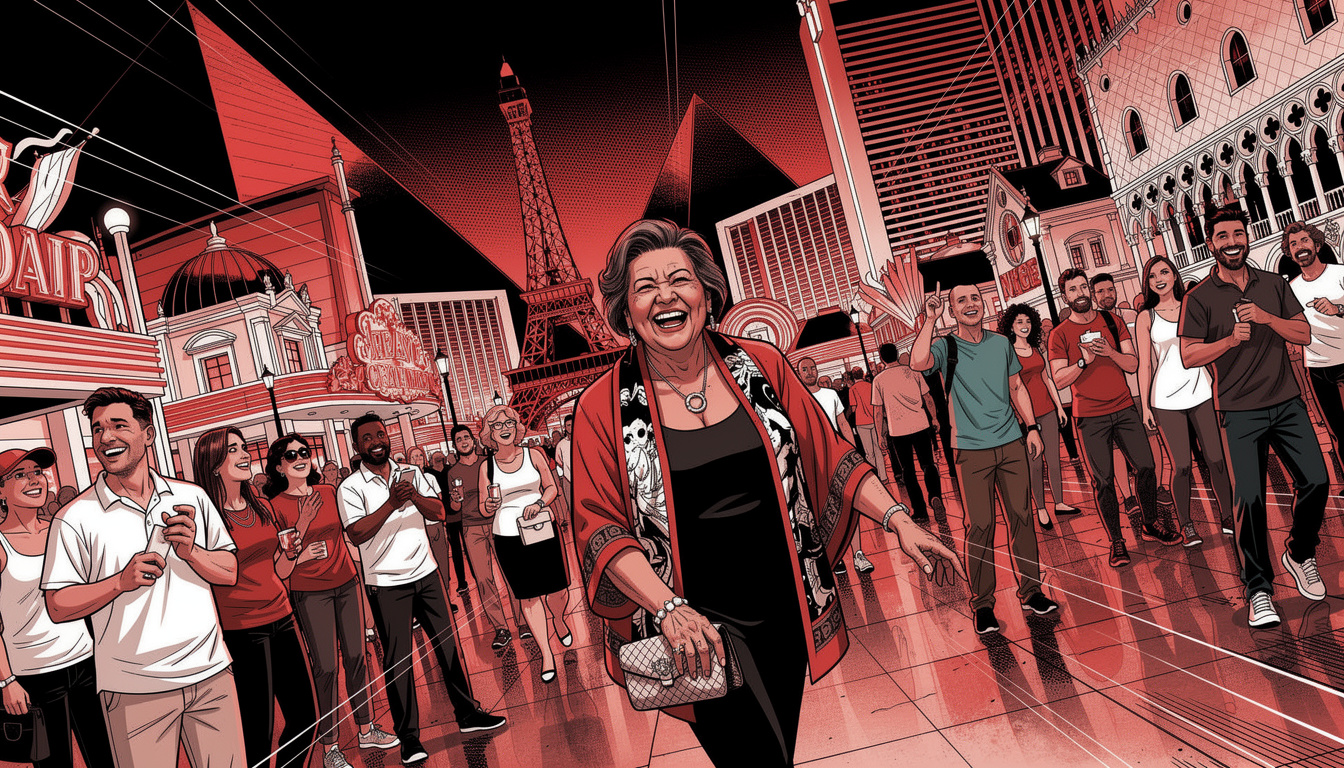
The Strip's biggest fashion statement isn't sequins. It's concrete pretending to be ancient Rome, medieval Europe, Venice, Egypt, and Manhattan.
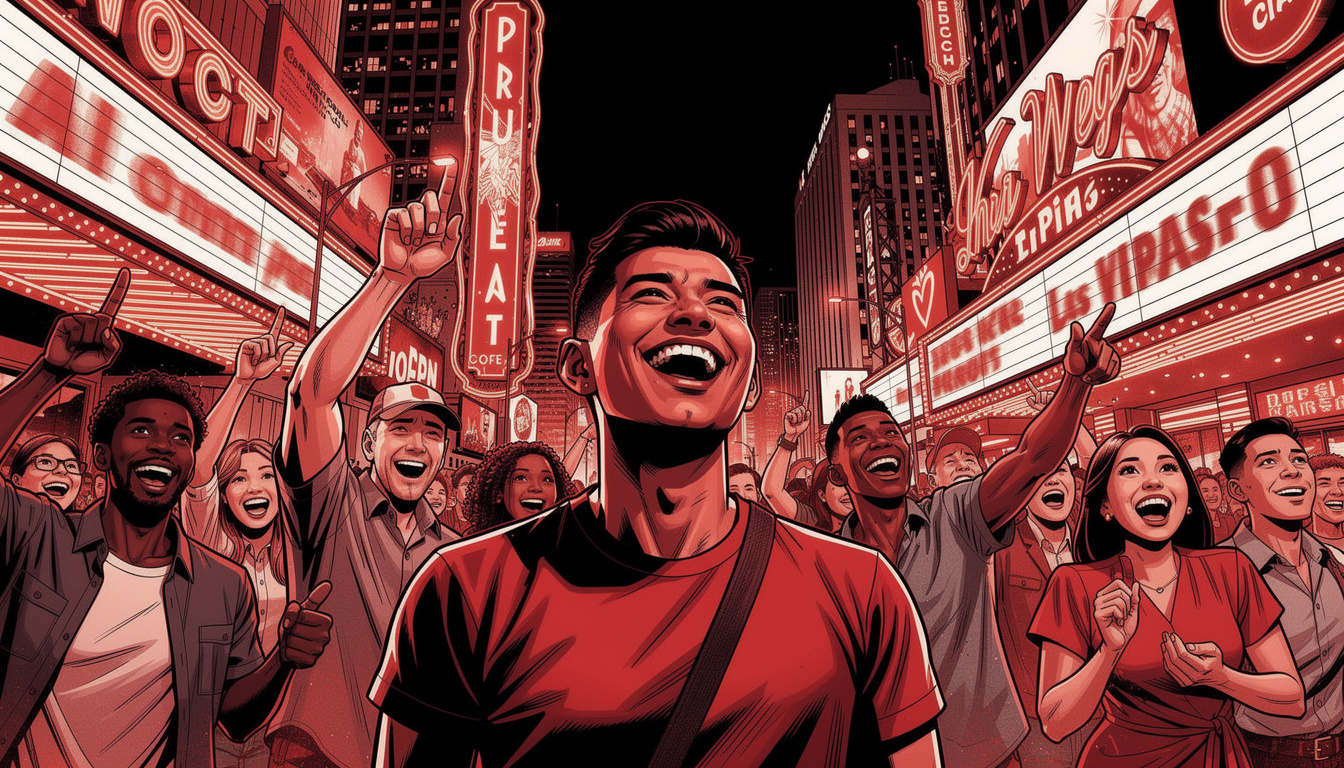
And honestly, that's why it works. Vegas doesn't whisper its design ideas. It grabs you by the face and says, look at this.
Locals drive past these buildings all the time and still clock the drama. Newcomers call it cheesy. Then they spend three hours taking photos.
That's the trick. These resorts aren't subtle, but subtle was never the assignment.
The Strip's Real Dress Code Is Theater
Back where I'm from, a big building usually means a bank, an arena, or somebody getting married in a banquet hall. On the Strip, a big building might be a pyramid next to a castle across from fake New York, and nobody even spills their iced coffee.
That's Vegas. The city committed to the bit.
themed resorts aren't side jokes in Las Vegas history. They're a whole chapter of the city's visual identity, and according to the Las Vegas Review-Journal, places like Excalibur, Luxor, and New York-New York stand as part of that themed-resort era on the Strip.
You can debate taste all day. You can't debate impact.
What makes these buildings matter isn't just their size. It's that each one turns architecture into a pitch you can understand from a moving car on Las Vegas Boulevard.
That's genius, honestly. If a building can explain itself before the light turns green, it's doing its job.
- Caesars Palace tells you the theme instantly: Rome, power, spectacle, columns, swagger.
- The Venetian goes straight for fantasy travel, with canals that make the whole place feel like a postcard with a casino attached.
- Luxor doesn't hint at Egypt. It shows up as a pyramid and lets subtlety stay home.
This is architecture as cold open. No reading required.
Your Uber Driver Already Knows the Angle
You don't need a design degree to read the Strip. You just need eyes and maybe a red light at Flamingo.
Why Caesars Palace Still Feels Like the Boss
Caesars Palace might be the clearest example of Vegas understanding its own mythology. According to Visit Las Vegas and Caesars, the resort uses classical Roman architectural elements, which is a polite way of saying it comes in hot with imperial confidence.
It doesn't ask if the theme is too much. It assumes you're lucky to be there.
That's why the place still lands. Roman references can get goofy fast, but Caesars keeps enough scale and seriousness in the mix that it feels less like a joke and more like a performance with very expensive shoes.
It's pure Vegas psychology. Make people feel larger than life, and they'll act like it.
I love that this city looked at ancient Rome and thought, yes, but add room keys and valet. That's not historical preservation. That's hospitality with a god complex.
And weirdly, it works. Locals know the building is part set, part symbol, and part memory machine.
- The columns and classical cues give the place instant identity. No guessing game.
- The resort's visual language says luxury before anyone sees a restaurant menu or a blackjack table.
- It also shows how Vegas borrows history, then turns the volume way up. That's the local art form.
Some buildings age. Some buildings become part of the city's accent.
Fake Places, Real Reactions
That's the whole Las Vegas bargain. You know it's theatrical, and you still feel something when it hits.
The Venetian, Luxor, and the Art of Going All In
The Venetian is one of those places that makes perfect Vegas sense and no normal-city sense. Visit Las Vegas notes that it features canals, which means the resort literally built water into the sales pitch in the middle of the desert.
That's funny. It's also kind of brilliant.
Vegas architecture works best when it doesn't flinch. The Venetian doesn't stop at a little wink toward Italy. It goes full vacation hallucination and dares you not to enjoy it.
Locals know the move. Pretend you're above it, then admit the canals are cool.
Then there's Luxor. Per the Review-Journal, it's one of the Strip's themed resorts, and its whole visual proposition is so clean it almost feels rude. Pyramid. Done.
No extra explanation needed. That's branding with a sledgehammer.
Excalibur does something different. It's themed too, as the Review-Journal reported, but its medieval look leans more playful than intimidating, like Vegas decided history should come with brighter colors and less plague.
You see it once and never confuse it with anything else. That's a win.
- The Venetian proves a fantasy can feel polished, even when the premise is completely over the top.
- Luxor is the power of one shape done at absurd scale. It's basically a geometry lesson with slot machines.
- Excalibur reminds you that themed design doesn't have to be elegant to be memorable. Sometimes memorable wins.
This city loves a clean silhouette. Ask anyone who's ever spotted the Strip from the freeway and named buildings like old friends.
New York-New York and the Vegas Version of Urban Memory
New York-New York sits in that special Vegas category of being obvious on purpose. The Review-Journal identifies it as one of the Strip's themed resorts, and the whole point is instant recognition.
You don't study it. You clock it.
That's what themed architecture does here. It compresses big cultural ideas into fast visual signals, because the Strip is experienced at 35 miles per hour, half distracted, while somebody in the passenger seat is asking where to park.
Vegas has no patience for mystery. It wants the reveal now.
I think locals sometimes underrate how hard that is to pull off. A lot of cities build nice skylines. Vegas built a lineup of characters.
That's a different skill. It's urban design with stage makeup.
Even The Linq, which Caesars confirms is a Las Vegas property in its portfolio, helps show the shift in how the city packages experience. Not every big resort needs an old-world fantasy costume anymore, but the themed era still taught Vegas the value of visual identity.
If your building doesn't make a first impression here, good luck. The next one will.
The Boulevard Is Basically a Runway
Every resort is trying to get noticed. Some wear black tie. Some wear a crown and a cape.
Why Vegas Cares
For locals, these resorts aren't just tourist bait. They're landmarks in the daily rhythm, seen from I-15, Las Vegas Boulevard, Tropicana, Spring Mountain, and a hundred routine drives that somehow still look a little unreal at sunset.
They also shape how the world reads the city. People might come for a concert, a fight, dinner, or a weekend spiral, but the architecture is what stamps the memory. That's civic branding, whether we act too cool for it or not.
This Isn't Just Kitsch. It's the City's Design History Talking
People love to dunk on themed resorts like they're some tacky phase Vegas should've outgrown. I don't buy that. Kitsch is part of the language here, but it's not the whole sentence.
The better word is performance. These buildings perform identity.
According to UNLV Special Collections, the university maintains records that detail the history and transition of Las Vegas architecture. That's a reminder that the city's built environment didn't happen by accident, and it isn't too unserious to study.
Locals get this instinctively. The skyline is our scrapbook.
Themed resorts mark a moment when Las Vegas decided that architecture could do the talking before the doorman ever said hello. That's huge in a city built on attention.
And attention is the real currency here. Always has been.
Some visitors treat these places like giant selfies. Fine. But the reason the selfie exists is because the architecture did its job first.
Vegas knows how to stage desire. Few cities do it this bluntly.
- Themed design gave the Strip instant legibility. You know where you are fast.
- It also created emotional shorthand. Rome means grandeur. Venice means romance. New York means energy.
- Most of all, it made buildings part of the entertainment. In Vegas, the exterior is already part of the show.
Themed resorts might be loud, fake, excessive, and a little ridiculous. That's exactly why they're perfect for Las Vegas, a city that has never once confused understatement with personality.