What to Know
- Entry prices are lower for 2026, a clear shift from the race's earlier premium-only vibe.
- General admission got bigger, with expanded zones and single-day passes now in the mix.
- Nevada residents get their own discount tier, which feels like F1 finally looked up from the VIP suite.
Vegas heard the criticism. F1 finally heard it too.
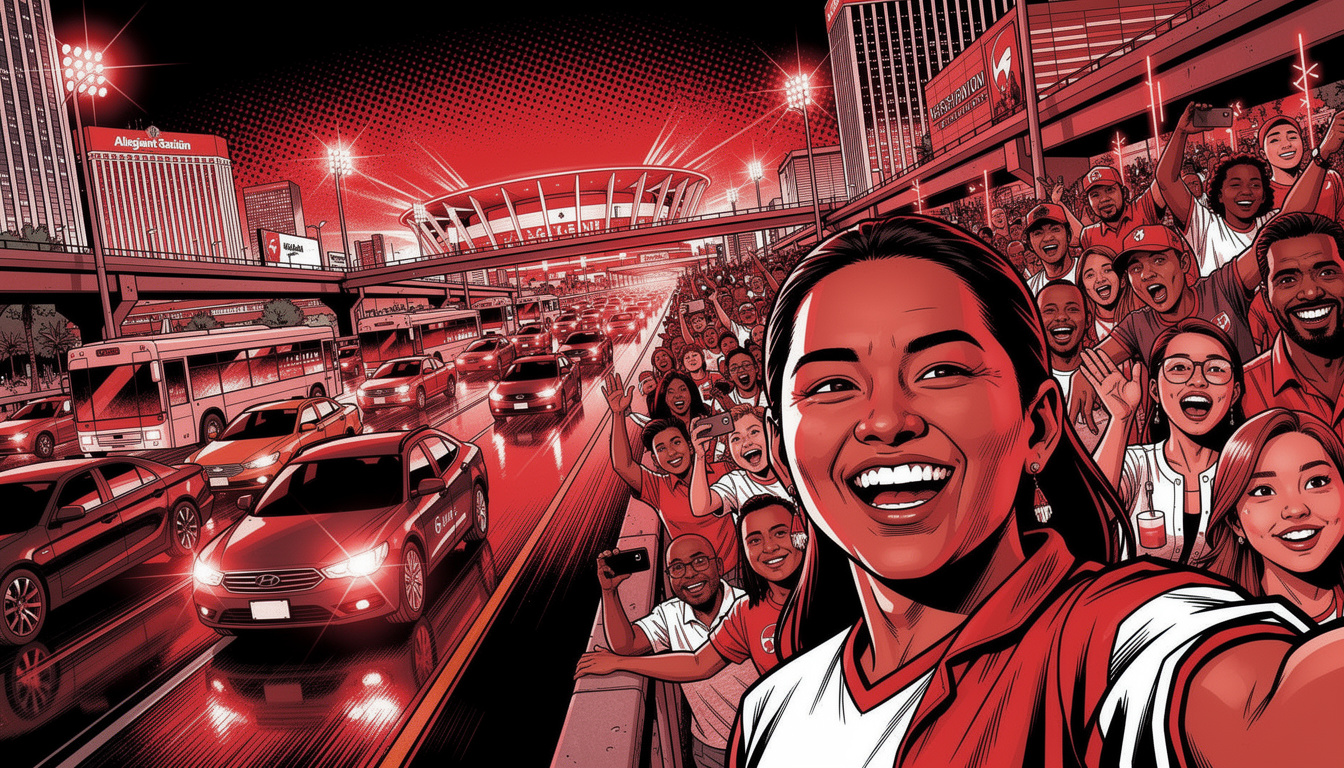
For the first time, the pitch feels less like, "Watch rich people party," and more like, "Hey, maybe locals can come too."
The 2026 Las Vegas Grand Prix just opened ticket sales with lower entry pricing, expanded general admission, and a Nevada resident tier. That's not a tiny tweak. That's a message.
After two years of sticker shock, road rage, and plenty of side-eye from locals, this is the first real sign the race knows it can't live on spectacle alone.
F1 Didn't Just Cut Prices. It Changed the Tone.
This matters because price wasn't just a number. It was the whole mood.
The early years of the Las Vegas race felt built for global flexing first, locals second. You could feel it from the Strip to Spring Valley.
Now the tone is different. That's the story.
According to the Las Vegas Review-Journal, the 2026 race comes with a lower entry-level pricing structure and new general admission tiers. That's not charity. That's strategy.
And honestly, it should be. Vegas can smell a cash grab from three lanes over on Flamingo.
Per FOX5 Vegas, single-day passes are also available for 2026. That's huge for locals who don't need a three-day luxury pilgrimage to know if they're interested.
Sometimes people just want one night, one ticket, and one good story. Very Las Vegas, actually.
- Lower entry pricing means the race is trying to widen the front door, not just polish the penthouse.
- Single-day passes give casual fans a shot without asking them to commit like it's a wedding.
- More general admission means more real people in the mix, not just badge-holders and expense accounts.
The Strip Always Sends Feedback
Vegas doesn't whisper when it's annoyed. It honks, posts, complains in line, then laughs about it later.
F1 heard that noise. It would've been impossible not to.
The Locals Angle Finally Looks Real
Here's the part that jumps off the page. There's a Nevada Resident discount tier.
That detail matters more than any glossy promo video ever could. It says the race is trying to stop feeling imported.
According to KTNV, that resident discount is part of the 2026 ticket plan. For a city that spent plenty of time wondering who this event was really for, that's a big deal.
Because locals know the script. If something massive lands on the Strip, the first question isn't "How glamorous is it?" It's "Cool. But can regular people actually go?"
That's the whole test. Always has been.
Newcomers see the neon. Locals see the parking, pricing, and whether the thing respects their time.
- Resident discounts feel like a peace offering, and honestly, one was overdue.
- Lower barriers could pull in people who were curious but not luxury-suite curious.
- Broader access gives the race a chance to build actual hometown buy-in, not just tourist buzz.
None of this means every local suddenly loves Formula 1. Let's not get carried away.
But it does mean the event seems more aware that Vegas isn't just a backdrop. People live here. People commute here. People remember what the first rollout felt like.
Locals don't forget lane closures with chandeliers attached. That's just how this town works.
One Night Can Change the Whole Math
A single-day pass sounds simple. In Vegas, simple is powerful.
You don't need a full weekend buy-in to decide if something's worth your money.
Expanded General Admission Could Change the Vibe Fast
General admission isn't just a ticket category. It's an atmosphere category.
Per Formula1.com, the 2026 event includes expanded general admission zones at the Strip Circuit. That matters because crowds shape energy, and energy shapes everything.
A race full of premium packages feels polished. A race with real crowd mix feels alive.
That's the difference between watching an event and feeling one.
If F1 wants this thing to feel rooted in Vegas, it needs more than celebrities and hospitality decks. It needs people who know the back way around Paradise, complain about Trop traffic, and still show up anyway.
That's when it starts to feel local. Even on the Strip.
- Expanded GA zones should make the race feel less gated and more shared.
- More access points can create a broader fan mix, which usually means better event energy.
- The Strip Circuit stays the star, but the people around it finally get a bigger role.
This is also where F1 has to be careful. Lower entry pricing gets attention. The actual experience has to hold up.
If fans buy in and feel boxed out, they'll say so fast. This town does instant reviews with no filter.
Vegas is generous when you're good. Brutal when you're not.
Not Everybody Needs a Velvet Rope
Hospitality still matters. That's part of the F1 machine.
But if every headline screams luxury, the city hears exclusion.
Yes, the High-End Packages Are Still Here
Let's be real. F1 isn't turning into a bargain-night block party.
According to Formula1.com, the 2026 ticket model still includes hospitality packages. Of course it does. This is Formula 1 on the Strip, not a folding-chair fundraiser.
And that's fine. Vegas knows how to do premium.
The issue was never that high-end options existed. The issue was when those options seemed like the whole identity.
That's why this reset feels smarter. Keep the big-spender lanes. Open more normal-human lanes too.
Everybody understands that balance. It's basically the city's business model.
Some visitors want bottle service and skyline views. Some locals want a shot to say, "Yeah, I went," without taking out a second job.
Both can exist. They should.
That's not dilution. That's maturity.
- Hospitality packages keep the event aligned with F1's luxury brand.
- Lower-cost options make sure the race isn't only speaking to elite buyers.
- A wider pricing ladder gives the event a better chance at long-term stability in Vegas.
Why Vegas Cares
The Las Vegas Grand Prix doesn't happen in a vacuum. It happens on roads locals use, near resorts people work in, and across a Strip corridor that already runs hot on any normal weekend.
So when ticket pricing shifts, it's not just a sports business footnote. It's a test of whether one of the city's flashiest events can feel at least a little more connected to the people who actually live here.
Vegas also understands something outsiders sometimes miss. Locals aren't anti-spectacle. This city was built on spectacle. We just know the difference between a show that includes the city and a show that uses it.
That's why the resident discount, expanded general admission, and single-day options land the way they do. They don't solve everything, but they show the race might finally understand whose town it's racing through.
This Feels Less Like a Correction, More Like a Survival Skill
Here's the blunt version. The race had to evolve.
You can't parachute onto the Strip, disrupt half the city, then act shocked when locals want something back.
That's not anti-F1 talk. That's basic Vegas math.
As reported by ESPN, Formula 1 adjusted its pricing strategy for the 2026 Las Vegas Grand Prix. That reads like business language, but the translation is simple: the old approach needed work.
And to be fair, that's not failure. That's adaptation.
The smartest thing any big event can do in this city is listen before the city starts rolling its eyes in unison. Once Vegas decides you're doing too much, good luck.
That reputation sticks harder than desert dust.
This new ticket model won't erase every complaint. Traffic won't magically become charming. Locals still won't enjoy feeling trapped behind cones near the Strip.
But lower pricing and more access do something important. They make the event easier to defend.
That's a bigger win than it sounds.
So yes, the 2026 ticket drop is about price. But it's really about respect. In Las Vegas, that part shows first, and locals can spot the difference in about 10 seconds flat.