What to Know
- Las Vegas Monorail is a transit system serving the Strip, with mobile ticketing available.
- Nightclubs and pool parties in Vegas enforce specific dress codes and access rules.
- There are verified details about hotel age policies for check-in, including casino properties.
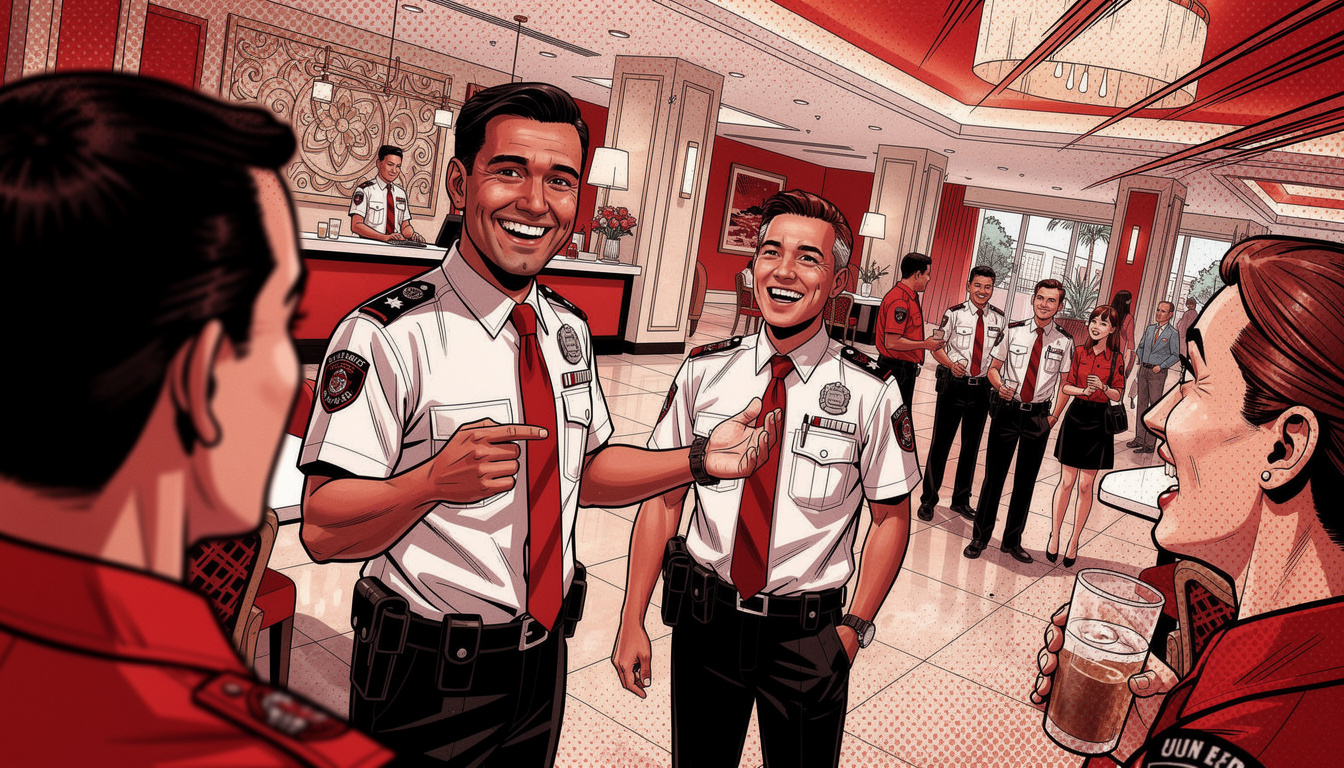
Security runs the Strip. You see it, even when you try not to look.
Doors, IDs, and rules are part of the show. The city sells glamour, and it sells control too.
If you want the lights, you also sign up for the checks. That tradeoff shapes every Vegas night.
Security at the door. And long before the door.
Vegas security starts at the front gate and at the wardrobe. Dress codes do more than keep outfits pretty.
Clubs and dayclubs use strict attire rules as a filter. This filter doubles as a security tool, not just a style test. According to GXPTours, nightclubs and pool parties publish clear dress code rules visitors must follow.
Your shoes can keep you out. That's public safety and social sorting in one line.
- Dress code clarity. Venues tell you what to wear, and that clarity helps door teams decide fast.
- Behavioral signal. A well-dressed crowd makes it easier to spot troublemakers without shouting it out.
- Financial filter. If you spend on tables or cabanas, the door suddenly cares less about your sneakers.
Not just velvet ropes
Dress rules are a conversation starter. They are also a first screening step.
The legal layer: age rules and regulated access
Regulation is a form of security. Hotels and casino operators follow rules that shape who can enter.
There is verified guidance about hotel age policies for check-in, and casino properties enforce minimum ages to reduce legal risk. The Bellagio under-21 policy is an example of those accessible rules on age and access.
That rule is a blunt instrument. It keeps minors away from gaming floors and the liability that comes with them.
Short, strict, and enforceable. That is how regulation shows up on the ground.
Yes, they card you for the lobby
Age rules are not a suggestion. They are part of the city-level safety and licensing system.
Pools, day passes, and the non-guest problem
Pools used to be for guests only. Not anymore. Third-party passes let outsiders in, and that changes the security calculus.
ResortPass and similar services let non-guests access hotel pools. That opens the gate to new logistics for property teams.
When non-guests can buy access, you get more bodies in a concentrated space. That needs planning, staffing, and rules.
Quick line for the 'gram. More wristbands, more eyes on the water.
- Monitored access. Day passes create scheduled entry windows, which helps staff plan coverage.
- Premium control. Cabana and daybed bookings let properties shift crowd control into revenue streams.
- Guest expectations. People expect pool vibes. Hotels expect to manage safety discreetly so the vibe stays intact.
Transit and traffic: security starts off property
How people arrive changes how casinos prepare. Transit networks are part of the picture.
The Las Vegas Monorail exists as a Strip transit system with mobile ticketing. The RTC runs public transit across town. Taxis still operate as a baseline option.
Those systems move crowds. More moving people means more planning at venue entry points.
Short and blunt: the city is a machine. Security is one of its gears.
Where the crowd begins
From the airport to the monorail, crowd control starts before you hit the slot machines.
Why Vegas Cares
Las Vegas sells a promise: big nights, big spend, no surprises. That promise lives or dies on safety and predictability.
The Strip handles huge visitor flows via transit, private cars, and airport arrivals, so operators use rules and access controls to keep the operation smooth. Verified local details like the Las Vegas Monorail and public transit rules from the RTC show how movement and access are planned, and services like ResortPass change who ends up poolside.
Why visible security matters. And why subtle security matters more.
Visitors notice uniforms and wristbands. They also notice when a scene feels safe without visible guards. Both matter.
Visible measures deter quick trouble. Invisible measures stop problems before they reach the show floor.
That balance is a local art. Vegas wants the excitement without the headline risk.
Punchline: security that ruins your selfie is bad. Security you never see is perfect.
- Deterrence. Visible rules reduce impulse bad behavior.
- Prevention. Access rules, age checks, and ticketing shape the guest pool before entry.
- Experience. The goal is to protect money and mood at the same time.
Bottom line: security is a silent headliner in Vegas. It shapes the guest list, the outfits, and where you can lounge. You come for spectacle. You stay because someone kept it from unraveling. That is Vegas logic: shine up the stage, then quietly lock the backstage door.