Construction is underway on one of southwest Las Vegas’ largest new dining projects. Stix Asia is transforming the former Sundry food hall at UnCommons into an 18,000-square-foot destination featuring 12 independently operated Asian restaurants and seating for approximately 400 guests.
The Waikiki-based company is targeting a fall 2026 opening at 6840 Helen Toland St. As of August 1, Stix Asia has not announced an exact opening date or revealed the complete restaurant lineup.
Those missing details matter, but the project itself is no longer just an early proposal. Construction began in late April, giving southwest Las Vegas a major food hall development to watch through the second half of the year.
Stix Asia Is Taking Over The Sundry’s Former Space
Stix Asia Las Vegas will occupy the large standalone space previously used by The Sundry at UnCommons.
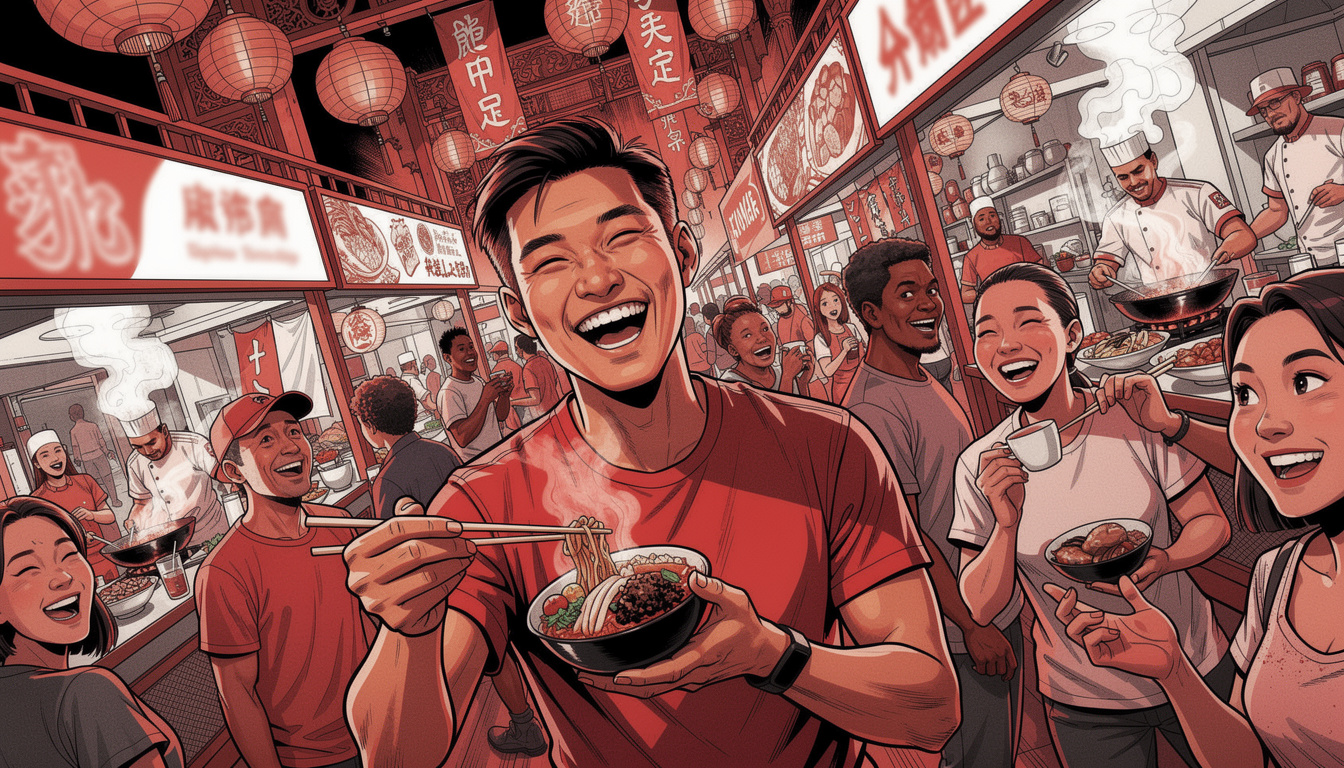
The new food hall is expected to include 12 local and international restaurant concepts serving cuisines connected to Japan, Taiwan, China, Korea, Vietnam and other parts of Asia. Announced food categories include sushi, ramen, izakaya dishes, grilled items and desserts.
The company says several participating restaurants will be entering the Las Vegas market for the first time. However, no complete vendor list has been released, and diners should treat specific restaurant names as unconfirmed until Stix Asia announces them.
The Las Vegas location will be the company’s first major expansion beyond Hawaii. Its original Stix Asia opened in Waikiki in 2023 inside the Waikiki Shopping Plaza.
This Will Not Operate Like a Standard Food Court
Stix Asia is using the food hall format, but its planned service model differs from a conventional collection of counters surrounding one shared seating area.
Each restaurant is expected to operate independently with its own seating area and traditional ordering system. Common spaces will still allow groups to gather, but the individual dining sections are intended to give each operator a stronger identity.
That distinction may become one of the project’s most important business advantages. Food halls can struggle when customers see every stall as interchangeable or when the overall experience feels like an upgraded shopping mall food court.
Stix Asia is attempting to avoid that problem by giving each restaurant a more complete presentation while keeping the convenience and variety that draw customers to food halls.
The Concept Is Built Around Three Promises
Founder and CEO Frank Clark has described the company’s approach through three goals: the food should be Asian, authentic and affordable.
That means the Las Vegas hall is not expected to fill empty spaces with unrelated options simply to complete the vendor roster. Clark has said customers should not expect hamburgers or pizza inside the concept.
The focused identity gives Stix Asia a clearer marketing position than a general-purpose food hall. Instead of trying to serve every possible craving, it is selling a concentrated tour of Asian cuisines under one roof.
That could help it stand apart in a Las Vegas market already filled with food courts, casino dining halls and mixed-vendor concepts.
The Design Is Part of the Business Strategy
Stix Asia is not relying on food alone to generate repeat visits. The company is developing the property as an entertainment and cultural space designed to remain active beyond lunch and dinner.
Plans include a central sakura tree, Kyoto-inspired seating areas, live cooking stations and a lantern-lined entrance from the parking area. An indoor lounge, outdoor bar and west-facing patio are also expected.
A DJ booth is intended to add nighttime energy, while monthly night markets, live entertainment and cultural programming could give customers reasons to return even after they have tried the initial restaurant lineup.
Celebrations connected to Lunar New Year and other cultural events are also part of the concept’s broader vision.
The Las Vegas project was designed with participation from Japanese design firm Machiseisakushitsu Co. Ltd. and Southern California-based Studio ForestBeach. Las Vegas-based Harris Associates is leading construction.
Why Stix Asia Chose Southwest Las Vegas
Stix Asia reportedly considered the Strip and studied the strength of Chinatown before choosing UnCommons.
The company ultimately saw an opportunity in a fast-growing suburban market where residents often drive between several neighborhoods to reach their preferred Asian restaurants.
Placing 12 concepts in one destination could reduce that friction while giving restaurant operators access to customers from UnCommons, nearby residential communities, office campuses and the Durango corridor.
UnCommons already includes apartments, offices and businesses connected to major employers. Its restaurant lineup includes Rare Society, Urth Caffé, Salt & Straw, Blue Bottle Coffee, Wineaux, General Admission and other concepts.
Nearby Durango Casino & Resort adds another source of dining and entertainment traffic. The larger area is increasingly becoming a hospitality district rather than simply a residential section of the valley. ESB has tracked that expansion in its coverage of the southwest Las Vegas restaurant boom.
The Food Hall Model Is Growing Again
Stix Asia is arriving as food halls begin expanding again after several difficult years for the business model.
Restaurant industry research cited by CoStar counted approximately 450 operating food halls across the United States, compared with about 220 in 2019. Another 96 were projected to open nationally in 2026.
Most of those upcoming projects were planned for suburban or outer-market locations rather than traditional urban centers. Stix Asia fits that trend almost exactly.
The company is taking a large restaurant space inside a mixed-use development and building around nearby residents, office workers and repeat local customers instead of depending entirely on tourists.
That model can produce steadier weekday traffic, but it also requires strong value. Southwest residents have plenty of choices and are less likely than tourists to tolerate high prices simply because a venue looks impressive.
Replacing The Sundry Creates Both Opportunity and Pressure
Taking over a former food hall gives Stix Asia useful infrastructure, visibility and a space already associated with group dining.
It also creates an unavoidable question: What will make this food hall perform differently?
Stix Asia’s answer appears to be specialization. The company is narrowing the cuisine, emphasizing traditional ordering, giving vendors dedicated seating and programming the building as a cultural and nightlife destination.
That is a more defined strategy than simply collecting unrelated restaurant brands in one room. Whether it works will depend on vendor quality, pricing, service speed and the ability to create repeat business after the opening excitement fades.
The Vendor Lineup Will Be the Next Major Test
The project has scale, a visible location and a clear identity. The restaurant roster will determine whether it becomes a true regional dining destination.
First-to-market brands could attract immediate attention, but recognizable names alone will not guarantee long-term success. The strongest lineup would combine proven operators with concepts distinctive enough to give customers a reason to visit from Chinatown, Henderson, Summerlin and the Strip.
Affordability will also be closely watched. Clark has repeatedly described accessible pricing as one of Stix Asia’s central goals. Delivering authentic food at neighborhood-friendly prices could become a major competitive advantage in a city where dining costs continue to rise.
What Remains Unannounced
Several important details were still pending as of August 1:
Exact opening date: The current target remains fall 2026.
Restaurant lineup: The complete list of 12 vendors has not been released.
Menus and pricing: Individual dishes and price points remain unannounced.
Final operating hours: UnCommons currently shows proposed daily hours, but guests should wait for confirmation closer to opening.
Bar program: Asian-inspired cocktails have been announced, but the final drink menu has not.
Opening events: No grand-opening schedule has been published.
Why Stix Asia Matters to Southwest Las Vegas
Stix Asia is more than another restaurant announcement. It is a significant test of whether a tightly focused, experience-driven food hall can succeed in a suburban Las Vegas market.
If the company delivers strong operators, accessible prices and a reason to visit after dark, the project could become an anchor for UnCommons and strengthen the southwest valley’s growing reputation as a dining destination.
If the vendor mix feels repetitive, prices climb too high or construction delays push the opening deeper into the year, the food hall could struggle to maintain momentum.
For now, the business case is strong enough to take seriously. Construction is underway, the former Sundry space is being rebuilt and a fall opening remains the target.
The next major announcement should be the one Las Vegas diners care about most: exactly who will be cooking inside those 12 restaurant spaces.