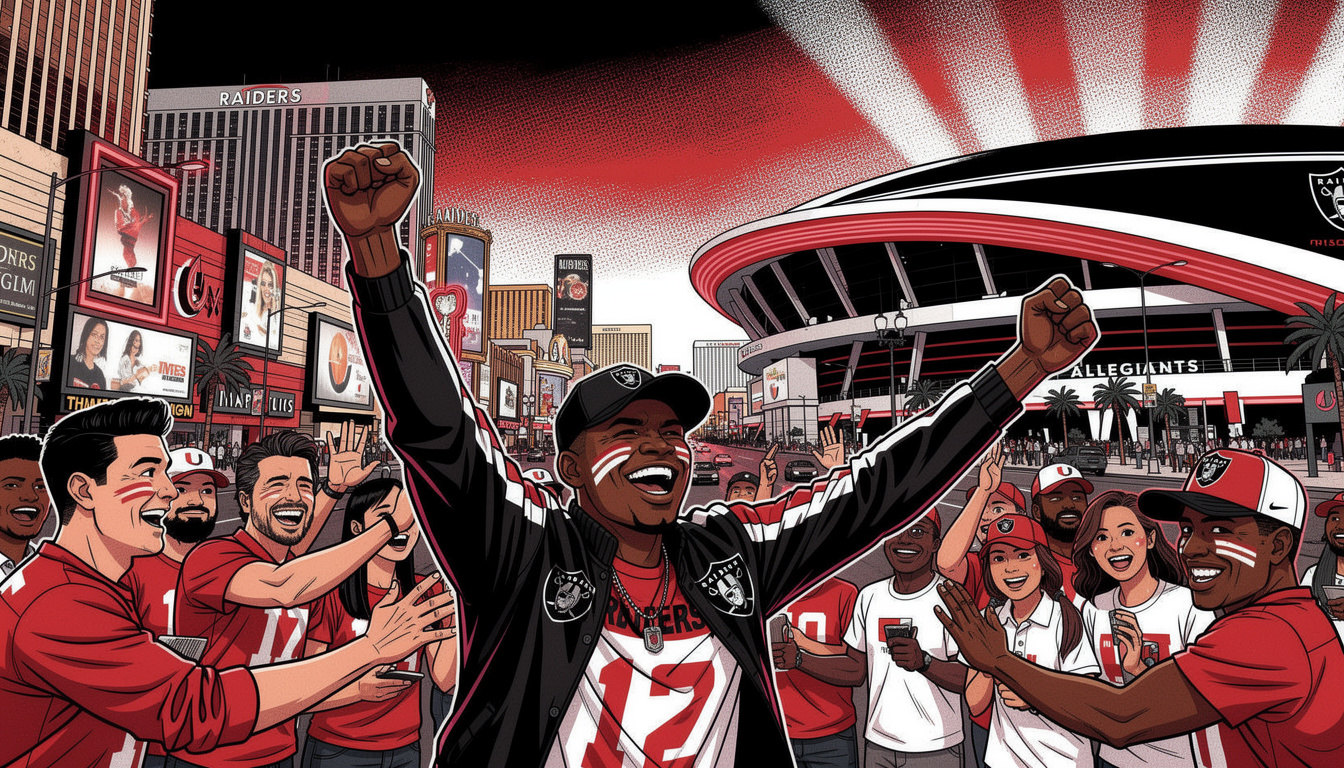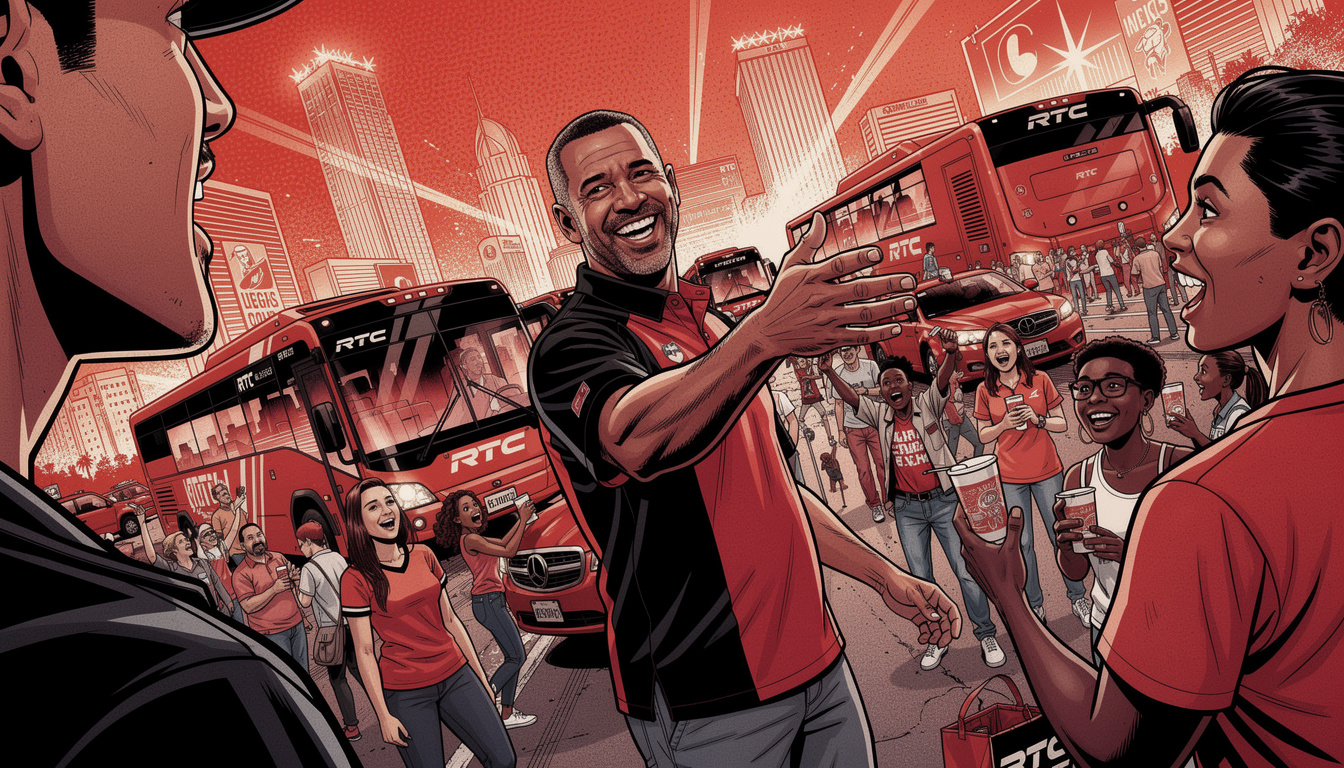
What to Know
- RTC released an early Super Bowl LXIII traffic and transit plan called Traffic, Transit, and Tailgates.
- The blueprint includes expanded park-and-ride options, dedicated bus lanes, and off-site tailgate zones with express shuttles.
- Officials are already talking with Clark County, rideshare companies, and fans about how not to turn game day into an all-day parking lot.
The next Super Bowl traffic plan is already here, and honestly, that's the only sane move.
You don't wait until game week to figure out how to move half the valley, a stadium crowd, a million opinions, and everybody's cousin with a rental car.
RTC just rolled out its preliminary blueprint, and it reads like Vegas finally admitting the obvious. You can't "wing it" around Allegiant Stadium.
Locals learned that a long time ago. Tourists usually learn it somewhere near Tropicana, while staring at brake lights.
This City Knows the Real Opponent Is Gridlock
Here's the thing about a Super Bowl in Vegas. The game is inside the stadium, but the stress starts miles away.
Everybody loves the big event part. Nobody loves the "why am I still on Russell Road" part.
According to RTC, the agency's preliminary blueprint is officially titled Traffic, Transit, and Tailgates. That name is almost charmingly honest, because that's the whole battle right there.
Cars. Buses. Tailgates. Human chaos. That's the playlist.
As reported by Clark County, county officials and the RTC already held a joint session to review the blueprint. That's a good sign, because if this thing isn't coordinated early, game week gets weird fast.
And Vegas doesn't do "small weird." Vegas does full-scale logistical theater.
- The early release matters. It says officials know the roads around Allegiant can't just absorb Super Bowl demand by magic.
- The joint session matters. If county leaders and transit planners are in the same room now, that's better than pretending cones are a strategy later.
- The tone matters. This isn't a victory lap. It's an admission that moving people is the real event before kickoff.
Back where I'm from, a big game means a crowded lot and maybe some grumbling. Here, a big game means the whole valley has to act like a stage crew.
That's not criticism. That's Vegas being Vegas.
The Stadium Didn't Move, Folks
Everybody knows where Allegiant is. That's exactly why traffic planning can't be casual.
You funnel enough people toward one spot near the resort corridor, and the roads start telling the truth.
The Smartest Part of the Plan Isn't Sexy. That's Why It Might Work
Per the RTC blueprint, the plan includes expanded park-and-ride options and dedicated bus lanes to Allegiant Stadium. That's not flashy, but flashy isn't the job.
The job is keeping thousands of people from trying the same bad idea at the same time.
This is where locals and newcomers split fast. Locals hear "dedicated bus lane" and think, "Yeah, thank God." Newcomers hear it and think they're somehow gonna outsmart the route with a rideshare at the last minute.
Good luck with that. The asphalt always wins.
I've lived here long enough to know one Vegas truth. If officials give people a cleaner, simpler path, a lot of people will actually take it.
Not everybody. There will always be that one guy convinced he found the secret cut-through. He didn't.
- Park-and-ride is a pressure valve. It pulls cars away from the stadium area before the bottleneck gets mean.
- Dedicated bus lanes are the grown-up move. If buses move smoothly, fewer fans panic and clog every approach road.
- Simple beats clever. On a day this big, the best plan is usually the one people can understand in ten seconds.
That's the whole game. Reduce decision-making, reduce chaos.
Because once people get confused in Vegas traffic, they don't just miss a turn. They start a chain reaction.
Your Uber App Isn't a Magic Wand
Rideshare helps, sure. But no phone screen can create road space out of thin air.
Vegas locals know this. Visitors usually learn it one surge price at a time.
Tailgates Are Part of the Problem and Part of the Solution
The most Vegas sentence in this whole blueprint might be this one. The transit plan includes designated off-site tailgate zones connected by express shuttles.
That's actually smart as hell.
According to RTC and as also reported by 8 News Now, the idea is to move some of the pregame energy away from the stadium itself and connect it back with shuttles. That means fans still get the ritual, but the road network gets a little breathing room.
In plain English, you don't let every grill, cooler, speaker, and folding chair fight for curb space next to the same building.
And let's be honest, tailgating in Vegas was never going to look exactly like tailgating back in the Midwest. Here it's part football, part production, part logistics test.
That's not a bug. That's the city.
The blueprint also includes specialized transit passes for tailgaters, according to Fox5 Vegas. I love that detail because it shows somebody understands fans aren't just traveling to a seat. They're traveling to a whole day.
That's the moment planners usually miss. This plan, at least on paper, doesn't seem to miss it.
- Off-site tailgate zones respect reality. Fans want the party, but roads around the stadium can't become one giant parking lot barbecue.
- Express shuttles keep the vibe moving. If people can pregame without stressing the last mile, that's a win for everybody.
- Tailgater passes feel practical. They treat the event like an all-day experience, not a two-hour commute problem.
And yes, there will still be people who insist on doing this the hardest possible way. Vegas is full of confident improvisers.
Some of them become legends. Most of them become traffic.
The Party Starts Early. So Should the Plan
Super Bowl day doesn't begin at kickoff. Around here, the movement starts way before that.
If the transit plan only worked for the game itself, it'd already be behind.
Rideshare Coordination Sounds Small Until You Remember Where We Live
The blueprint also includes coordination with local rideshare companies, as reported by the Las Vegas Review-Journal. That may sound obvious, but obvious things still need actual planning.
Especially here. Especially near the Strip. Especially when everybody thinks they're the main character.
Vegas traffic has layers. You have locals commuting, tourists wandering, service workers moving the whole city, event traffic stacking on top, and now the biggest sports event in America dropped into the mix.
That's not one problem. That's five problems wearing the same jersey.
Rideshare coordination won't solve everything, and nobody should pretend otherwise. But if pickup patterns, drop-off flow, and transit options work together even a little better, that's a meaningful gain.
Small fixes matter when the numbers get huge.
This is one of those moments where the city's muscle memory actually helps. Vegas already knows how to host, redirect, and absorb giant crowds.
But the locals know the catch. Hosting is one thing. Getting home is another religion entirely.
- Rideshare needs rules. Without them, every curb turns into a negotiation and every lane turns into a suggestion.
- Coordination beats improvisation. Drivers, buses, and private cars can't all freestyle around Allegiant on the same day.
- Locals will judge the plan by one standard. Did it move, or did it stall?
Why Vegas Cares
This isn't just about football fans getting to a stadium. It's about how a working city handles a massive spotlight without grinding down the people who live here year-round.
Vegas workers, residents, and regular drivers all feel event planning in real time, whether they're headed to the Strip, the airport side, or just trying to get across town without losing their mind. When roads around Allegiant tighten up, the ripple travels fast.
And there's pride in this too. Vegas wants to prove it can host the biggest event in sports again, but locals also want the city to remember one basic thing. A great show still needs a decent exit.
The Blueprint Looks Sensible. The Real Test Is Human Nature
That's my hot take here. The plan sounds reasonable. People are the wild card.
Always have been. Always will be.
Early planning is the right move. A joint county session is the right move. Expanded transit, park-and-ride, shuttle-linked tailgate zones, and rideshare coordination are all the right kind of ideas.
But the final boss is still behavior.
Will fans use the park-and-ride setup if it's easier than driving in? Probably. Will some people still try to get absurdly close to the stadium in a private car because they believe in destiny? Absolutely.
You can print maps. You can't print patience.
That's why messaging matters almost as much as lanes. The cleaner and simpler this gets for visitors, the better the city holds up.
Because if Vegas has to explain a plan in twelve steps, half the crowd will ignore step three and head for Frank Sinatra Drive anyway.
Locals can smell a bad event route from a mile away. They know when to avoid the area, when to leave early, and when to just laugh and stay home.
Newcomers still think "it'll be fine" is a strategy. It's not. It's a prayer.
So yes, the RTC blueprint is early, and yes, it's only a first draft. But first drafts matter in this town, because once the crowds show up, nobody gets to pretend traffic was a surprise. In Vegas, the party gets the headlines. The transportation plan decides whether the party actually works.