What to Know
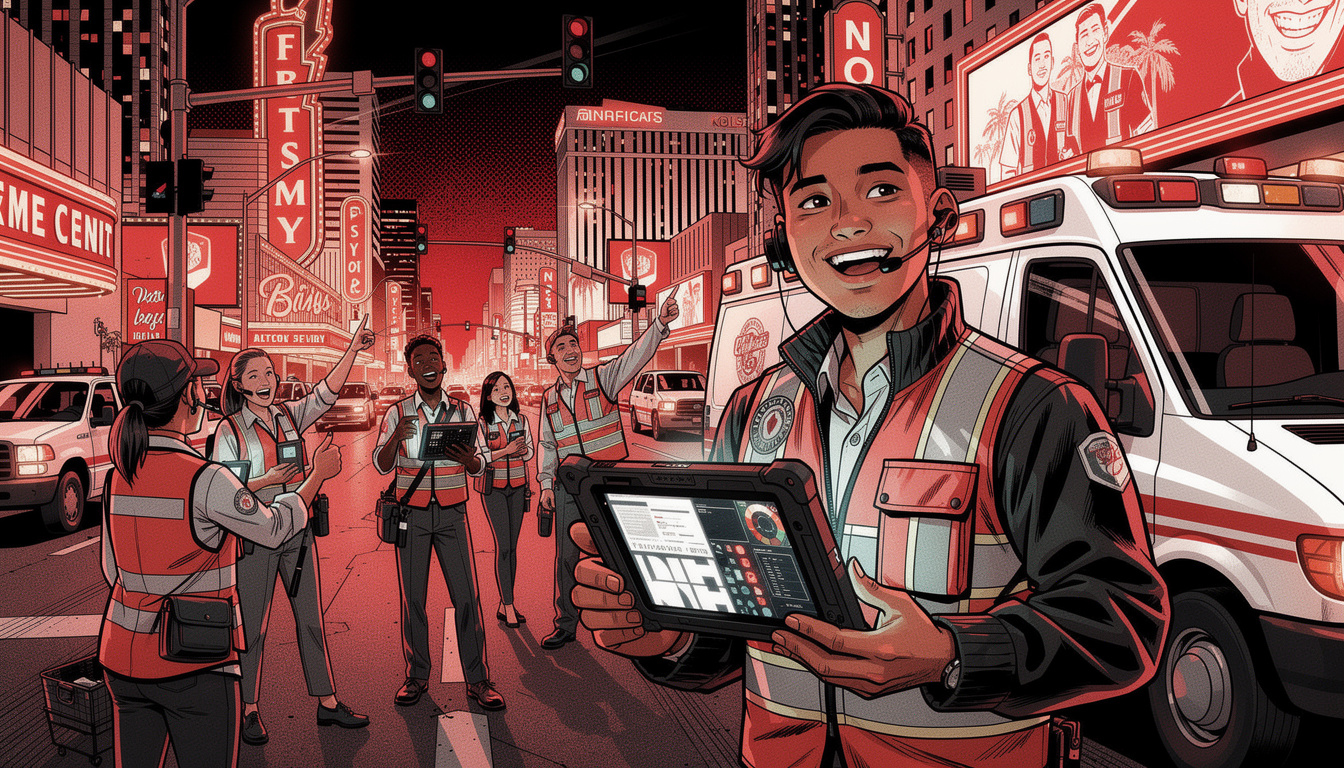
- RTC runs a centralized system that tracks faulty traffic lights and sensor outages across Clark County in real time.
- Officials use automated alerts and driver reports together, because the street usually tells on itself fast.
- The public can report problem intersections through Waze or the official RTC website.
A bad traffic light can wreck your whole mood in one cycle.
You leave home on time. Then one dead signal on Sahara Avenue turns the morning into a slow-motion group project.
Vegas drivers know the feeling. One corner freezes up, and suddenly everybody's late, annoyed, and acting like they alone discovered the brake pedal.
Here's the part most people don't see: transportation officials are watching this stuff in real time, and they're not just waiting for angry honks to tell them something's broken.
Vegas Traffic Signals Aren't Guesswork Anymore
People love to assume broken lights just sit there until somebody important gets stuck behind them. That's not really how it works.
According to RTC, the agency operates a centralized monitoring system that tracks faulty traffic lights and sensor outages in real time. That's a big deal in a valley where one bad intersection can ripple across half your route.
One dead signal. Ten bad decisions. Classic Vegas commute.
This matters because traffic lights aren't just glowing red, yellow, and green ornaments. They're tied to sensors, timing plans, and traffic flow that can fall apart fast when one piece stops doing its job.
And in Las Vegas, fast means fast. A backup on one corridor doesn't stay politely in its lane.
- Real-time monitoring means officials don't have to play detective after the fact.
- Sensor outages matter too, because a light can look alive while the brains behind it are off.
- Centralized tracking helps crews see patterns, not just one angry complaint at a time.
Locals know this already. You can feel when a corridor is out of rhythm in about 30 seconds flat.
The Light's Green. So Why Aren't We Moving?
That's the Vegas version of a stress test. If you've driven here long enough, you've said it out loud at least once.
Officials Still Need Drivers, Because the Street Talks First
Technology's great. It still doesn't replace thousands of drivers hitting the same roads every day.
As reported by FOX5 Vegas, the RTC tracks traffic signal outages through a mix of automated alerts and driver reports. That's smart, because locals notice weird signal timing almost instantly.
Your Uber driver probably spots it before anybody else.
This is one of those rare cases where public complaining can actually help. Not the dramatic kind at the red light. The useful kind that goes to the right place.
Per KTNV, people can report broken traffic lights and faulty intersections using the Waze app or the official RTC website. That's a lot better than posting "anyone else seeing this?" and hoping the algorithm fixes it.
- Waze reports give drivers a quick lane to flag trouble while it's happening.
- The RTC website gives the public a direct route for intersection complaints.
- Driver reports plus automated alerts create a double-check system. One sees the glitch. The other confirms it.
That's how you avoid the old-school mess where everybody thinks somebody else already called it in. Spoiler: sometimes they didn't.
Locals Know the Difference
Newcomers blame traffic. Locals blame the one intersection that's suddenly acting possessed. Usually, the locals are right.
Some Corridors Keep Getting the Attention
Not every road has the same drama level. Some stretches seem born to test patience.
According to the Las Vegas Review-Journal, Sahara Avenue and Charleston Boulevard are among the corridors being tracked for traffic flow improvements and sensor recalibration. That tracks with what drivers feel on the ground.
Nobody casually cruises Sahara when the timing's off. Nobody.
This is where the conversation gets more interesting than "light broken, send truck." Sometimes the issue isn't a full outage. Sometimes the signal's technically working, but the timing or sensor reads are off enough to make the whole corridor feel cursed.
That's the kind of problem that makes people swear every light turned red just for them. To be fair, on a bad day, it really feels personal.
- Sahara Avenue can turn one small delay into a chain reaction fast.
- Charleston Boulevard isn't forgiving when signal timing slips out of sync.
- Sensor recalibration sounds boring until you're the fifth car stuck at a light that won't figure itself out.
This isn't glamorous work. It's the kind of city maintenance that only gets attention when it's not working, which is basically the municipal version of being a drummer.
The Desert Doesn't Care About Your Schedule
You can leave early. You can plan smart. Then one faulty signal laughs at your calendar and ruins brunch anyway.
Why Vegas Cares
Las Vegas isn't a city where people casually take the scenic route. We're crossing town on Charleston, cutting over to Sahara, racing the clock to work, school, the Strip, Henderson, Summerlin, or somewhere with a drive-thru line that already looks suspicious.
That makes traffic signals feel personal here. One faulty intersection can mess with commuters, rideshare drivers, delivery workers, tourists who already don't know where they're going, and locals who absolutely do. In a city built on motion, dead lights hit different.
This Is About Trust, Not Just Traffic
A city works better when people trust the basics. Roads. Signals. The little systems that keep daily life from turning into improv theater.
That's why this story lands harder than it looks. Faulty traffic lights sound small until you're sitting through confusion at a busy intersection, trying to guess what the next driver is about to do.
And that's when everybody becomes a traffic engineer with zero training.
The good news is that RTC isn't relying on luck. The system exists, the reports are coming in, and the public has ways to help flag trouble spots when they pop up.
The less fun truth is that no monitoring system can erase the frustration in the moment. A broken signal still feels broken, especially when you're inching past the same shopping center for the third light cycle.
Vegas moves on timing. When timing slips, the whole city feels cranky.
That's why the real win isn't just spotting outages. It's spotting them fast, understanding whether the issue is the light or the sensor, and getting that corridor back into rhythm before drivers start inventing their own rules.
So yes, this is about traffic lights. But it's also about whether Vegas can keep the everyday stuff sharp enough to match the city's pace. Because on these roads, a broken signal isn't just an inconvenience. It's the fastest way to turn a normal day into a full local rant.