What to Know
- Most Vegas speakeasies hide in plain sight, behind shops, hallways, bars, and unmarked entrances.
- The move is simple: know the host stand, check the hours, and do not wait until midnight to figure it out.
- Locals treat the door like part of the show. If you look lost for 10 minutes, everyone notices.
The hardest part of a Vegas speakeasy is usually the first 30 feet.
You are not looking for a giant casino sign. You are looking for a clue, a hallway, a fake storefront, or a door that seems wrong on purpose.
That is the whole game. And yes, locals love it.
But finding these spots should feel fun, not like a scavenger hunt gone bad on the Strip.
Here is how to actually find the doors, skip the rookie mistakes, and walk in like you belong there.
Start With the Real Rule: Hidden Does Not Mean Impossible
A Vegas speakeasy is usually designed to feel secret, not unreachable. The trick is to know what kind of hidden you are dealing with.
Some doors are tucked behind another business. Others sit down a side corridor, behind a curtain, or next to a host stand with almost no branding.
The door is part of the experience. That is the whole point.
Newcomers often expect a password and a movie scene. Most of the time, the real flex is just arriving prepared.
- Look for the transition point: a bookstore, barbershop front, pantry door, or retail-style facade often signals the entrance.
- Find the staff first: if a host or server is nearby, you are probably close. Vegas hides things, but not that well.
- Watch the foot traffic: if well-dressed people keep slipping into one weird corner, you found something.
The best hidden bars in town reward calm people. Panic-walking in circles is how you end up in the wrong lounge paying Strip prices for nothing.
The Door Is Testing You
Not really. But it can feel that way.
Take one lap, slow down, and look up. Vegas hides plenty of things at eye level.
How to Find the Entrance Without Looking Like a Tourist
Step one is boring. It also works. Check the official venue page before you leave.
Look for entrance notes, nearby landmarks, dress code, and reservation details. Five minutes on your phone can save 20 minutes of hallway confusion.
Nothing screams first-timer like standing under the right sign and still missing the door.
When you arrive, do not just stare at the decor. Search for the practical stuff first.
- Spot the host stand: if the place takes reservations, the host usually anchors the entrance area.
- Check the corners: Vegas resorts love side passages, tucked alcoves, and entries that sit just off the main flow.
- Read the small signs: not every clue is dramatic. Sometimes it is one tiny plaque doing all the work.
- Ask one good question: “Is the entrance here or around the corner?” gets better results than “Where is it?”
If you are on the Strip, build in extra time. Casinos are designed to make short walks feel fake.
You think the bar is two minutes away. Suddenly you are crossing a gaming floor, passing a sportsbook, and rethinking your shoes.
Vegas distance is a scam. Locals already know.
Your Uber Driver Is Not the Last Step
Getting dropped at the resort is easy. Finding the right tower, corridor, or level is where the real game starts.
Timing Matters More Than People Admit
The easiest way to “find” a speakeasy is to show up when staff can actually help you. Hidden bars get much less charming when you arrive at a dead hour and every door looks closed.
Go early on your first visit if you can. It is less crowded, less chaotic, and much easier to orient yourself.
Prime-time confusion hits different.
If the venue takes reservations, use them. That gives you a clear arrival window and usually puts you in direct contact with the right entrance flow.
- Earlier is smoother: hosts are easier to spot, hallways are calmer, and you can actually read the room.
- Peak hours hide everything: crowds block sightlines fast, especially in casino corridors and busy nightlife zones.
- Late-night wandering is a trap: after enough cocktails, every maintenance door starts looking promising.
If you are planning a night with multiple stops, put the hidden bar first or second. Do not save the treasure hunt for the end of the night.
That is how simple clues become advanced geometry.
What to Do Once You Think You Found It
Pause before you yank on a random door. If it looks hidden, there is usually a process.
Look for a host, a buzzer, a check-in point, or a visible line. Vegas loves mystery, but it still runs on operations.
If a door feels too random, it probably is.
Once staff acknowledges you, keep it easy. Confirm your reservation if you have one, or ask about the wait if you do not.
- Do not perform confidence: fake certainty is how people march into employee-only space.
- Do not crowd the entrance: hidden spots often have tight staging areas. One confused group can clog the whole vibe.
- Do be direct: staff appreciates clear questions. They have seen this movie before.
And yes, your outfit matters at some spots. Hidden does not mean casual.
Locals know the difference between relaxed and underdressed. The door knows too.
Quiet Rooms, Loud Lessons
The smallest bars often have the strictest flow. Space is limited, and the rules show up fast.
That is not attitude. That is square footage.
How Locals Play It Smarter
Locals usually do not chase the secret. They chase the plan.
That means screenshots of directions, a reservation when possible, and enough arrival time to survive casino navigation without melting down.
The locals move is simple: know where you are going before the valet ticket even prints.
There is also a difference between hidden and worth it. A clever entrance is fun, but the bar still has to deliver once you get inside.
- Check the menu first: if the drinks do not interest you, the secret door will not save the night.
- Pair the neighborhood wisely: Downtown stops feel different from Strip resort missions. Plan around where you already are.
- Expect a little theater: some places lean playful. Go with it. Eye-rolling ruins your own night.
- Keep your group tight: a party of two or four glides easier than eight people texting “where are you?” from different hallways.
This city rewards people who can read a room. It also punishes bad planning with long walks and worse decisions.
No city does “almost there” quite like Las Vegas.
Why Vegas Cares
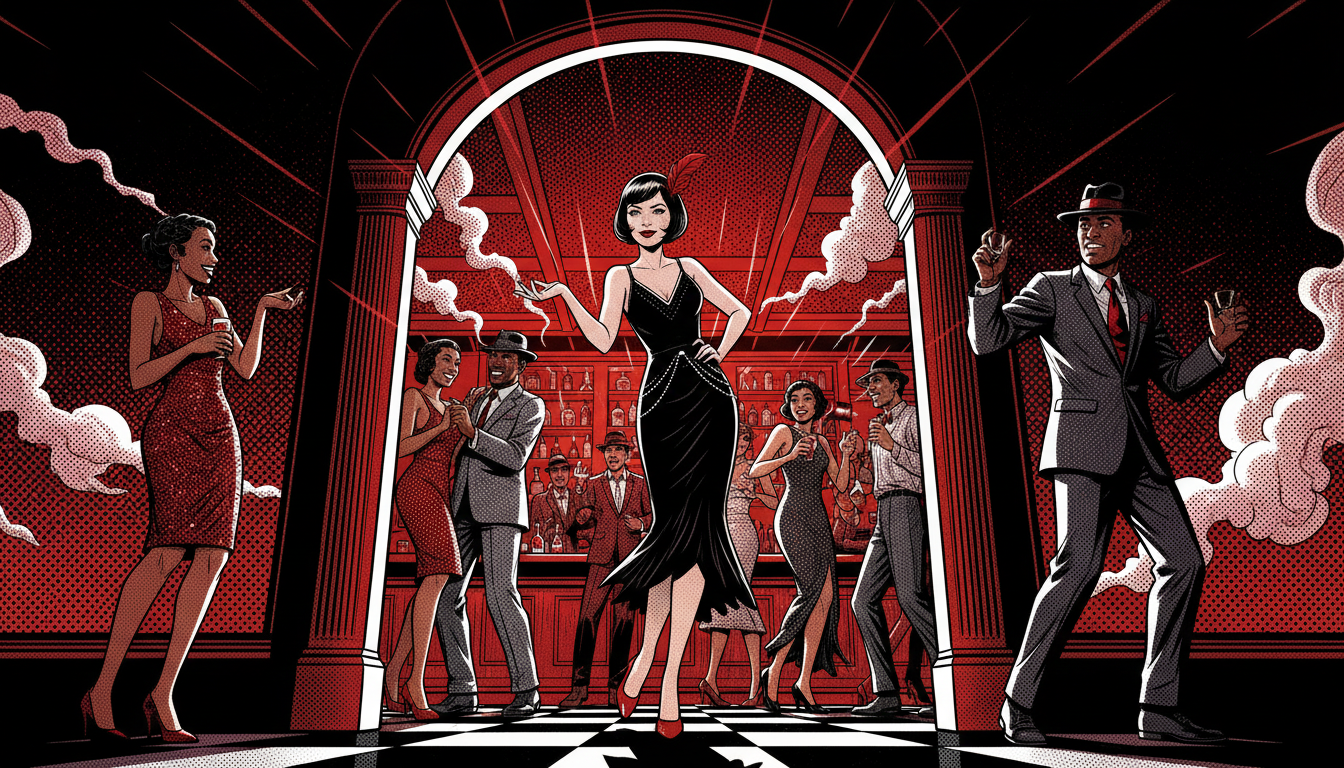
Speakeasies fit Las Vegas because this city runs on reveal. Behind the neon, behind the casino floor, behind one more hallway, there is always another room.
Locals get that instinctively. We know a plain door can lead somewhere great, and we know the Strip can turn a short walk into a full side quest.
That is why hidden bars keep working here. They give residents and repeat visitors a break from the obvious, without leaving the city’s showmanship behind.
A Simple Game Plan for Your First Hidden-Bar Night
Keep it clean. Keep it easy.
Pick one target. Confirm the location. Save the directions. Arrive early. Ask the host if needed.
That is it.
You do not need to turn the night into a detective series. One smooth entrance feels better than three messy misses.
- Before you leave home: check the venue page, dress code, and reservation policy.
- Before your rideshare ends: confirm the exact resort or neighborhood drop-off point.
- When you arrive: scan for the host stand, side corridor, or staged entry feature.
- If you are unsure: ask one staff member, clearly and politely, then follow the instructions exactly.
- Once inside: enjoy the bar and stop bragging about how hard it was to find. You made it. Breathe.
The secret is not the secret. The plan is the secret.
Find the host. Trust the clues. Do not overthink the hallway. In Vegas, the coolest room in the building is often the one pretending not to be there.