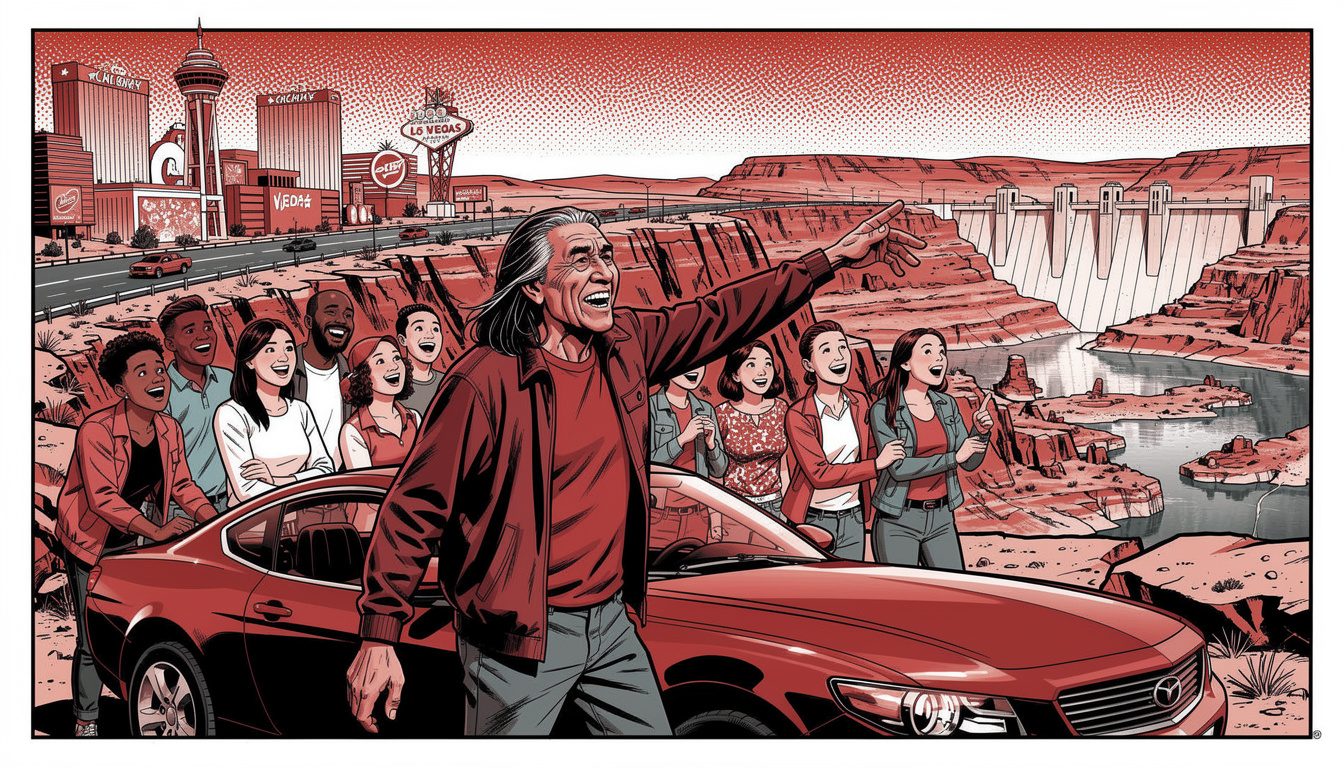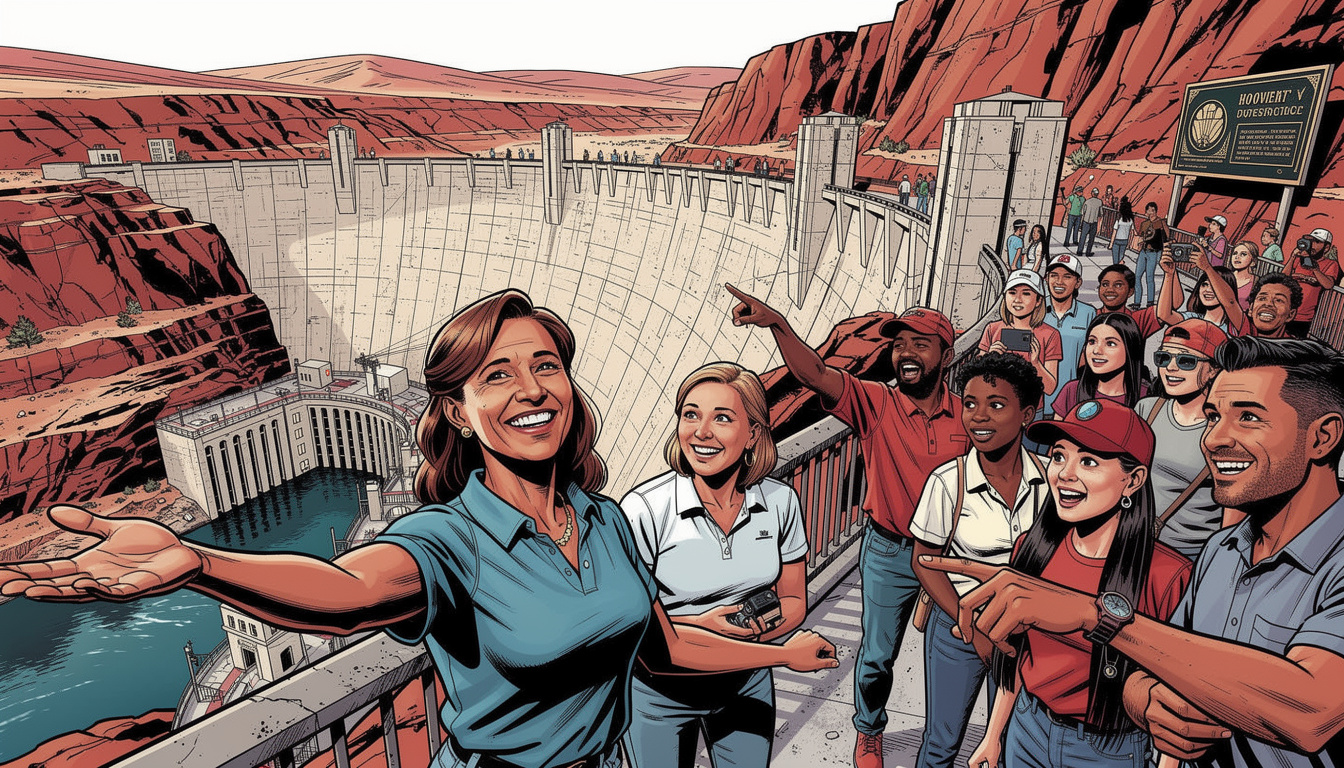
What to Know
- Hoover Dam is a historical landmark in Nevada, and it's set on the Colorado River.
- You can do more than stare at it. Guided power plant tours and a visitor center with historical exhibits are part of the experience.
- For the classic big-picture view, head to the Mike O'Callaghan-Pat Tillman Memorial Bridge.
The Strip gets the selfies. Hoover Dam gets the awe.
You can live in Las Vegas for years and still forget this landmark is sitting out there on the edge of the desert. Then you go once, and it sticks.
This isn't just a quick photo stop. It's a real history day, a practical day trip, and a reminder that Nevada does big on a different scale.
If you want to visit smart, not sloppy, here's how to do it. Locals know the difference fast.
Start With the Big Picture, Not Just the Parking Lot
Hoover Dam isn't one of those places you check off in ten minutes and pretend you really saw. That's tourist math.
According to Travel Nevada, the dam is a historical landmark in Nevada. That means the visit works best when you treat it like a history stop first, photo stop second.
Here's the core idea: give yourself time to look, walk, and read. Don't roll up with "we'll just wing it" energy.
That plan usually falls apart by the first viewpoint. Fast.
- Think in layers. First the dam itself, then the exhibits, then the wide views from the bridge.
- Build in walking time. This isn't a casino valet-to-lobby situation. You'll want time to move around and stop.
- Pick your goal early. Some people want the history. Some want the engineering feel. Some just want the money shot.
If you're bringing out-of-town family, this is a strong play. It feels iconic without feeling fake.
And that's rare around here. Very rare.
The Desert Hates Rushed Plans
Vegas locals know this move. The drive sounds easy, then the day gets messy because nobody decided what kind of visit they wanted.
Pick the vibe before you go. History day, photo day, or both.
What You'll Actually See Once You Arrive
The biggest mistake is thinking the dam is the only thing to look at. It isn't.
Per Visit Las Vegas, the Hoover Dam visitor center features historical exhibits. That's where the visit starts to make sense.
The exhibits help turn a giant concrete landmark into a story. Without that context, some visitors just stare, nod, and wander off.
Then later they say, "Yeah, it was big." That's not exactly a review.
Visit Las Vegas also confirms that guided power plant tours are offered at the dam. If you're the kind of person who likes structure, this is your lane.
A guided tour gives the visit a backbone. You stop being a random person with a camera and start following the story.
- Visitor center first. Start with the historical exhibits so the rest of the site clicks faster.
- Tour second. If guided power plant tours are available when you visit, they add shape to the day.
- Views throughout. Don't save every photo for one final stop. The site works better in stages.
This is where locals usually separate from newcomers. Locals pace themselves.
Newcomers burn all their energy in the first ten minutes. Then the rest of the visit feels longer than it should.
Your Camera Roll Will Fill Up Fast
You tell yourself you'll take a few photos. Then suddenly you've got forty versions of the same giant view.
That's normal. The place does that.
Don't Skip the Bridge View
If you only look from one angle, you're leaving part of the experience on the table. And yes, locals will quietly judge that.
According to Visit Las Vegas, the Mike O'Callaghan-Pat Tillman Memorial Bridge provides views of Hoover Dam. That's a key piece of the visit.
The bridge view gives you the clean, wide perspective. It's the shot that makes people stop talking for a second.
That's the moment.
If you're trying to understand the scale, this is where it hits. A lot of first-timers don't really get it until they step back and see the whole frame.
One angle gives you detail. The bridge gives you drama.
- Use the dam and bridge together. One gives you the close-up feel, the other gives you the full scene.
- Take your wide photos here. This is the place for the "okay, now I get it" shot.
- Slow down for a minute. Some views aren't improved by sprinting past them.
The bridge isn't just extra credit. It's part of the story.
Skip it, and the visit feels smaller than it should.
A Simple Step-by-Step Game Plan for a Better Visit
You don't need a military-grade itinerary. You do need a basic order.
Here's the practical route for people who want a smoother day and fewer dumb mistakes.
- Step 1: Decide your purpose before leaving Las Vegas. Are you going for history, views, or the full experience? Pick one, then build from there.
- Step 2: Start with the landmark itself. Let the first impression land. Don't bury your head in your phone right away.
- Step 3: Head into the visitor center. The historical exhibits help explain why this site matters beyond the postcard version.
- Step 4: Take a guided power plant tour if that's part of your plan. Guided experiences usually make historic places feel less abstract.
- Step 5: Finish with the bridge view. End big. The Mike O'Callaghan-Pat Tillman Memorial Bridge delivers that payoff.
That order works because it builds naturally. First the sight, then the story, then the scale.
It's a clean arc. Even your most distracted relative can follow it.
If you're visiting with kids, parents, or guests from out of town, this matters even more. Nobody wants the family group chat filling with "where are we supposed to go now?"
Vegas already has enough chaos. Your day trip doesn't need extra.
Locals Love a Plan They Can Actually Use
This isn't the Strip. You can't just drift for hours and call it a strategy.
A little order goes a long way out here.
Why Vegas Cares
For Las Vegas locals, Hoover Dam is one of those nearby icons that still feels bigger every time you return. It gives the city something the Strip doesn't always offer: a straight shot into Nevada history.
It's also the kind of place locals take visitors when they want to prove this area isn't just casinos, pool decks, and dinner reservations. Sometimes the best flex is leaving the resort corridor for a few hours and showing people something real.
The History Angle Is the Whole Point
Some places are fun because they're loud. Hoover Dam works because it's solid, literal, and impossible to ignore.
As reported by History.com, the dam is located on the Colorado River. That fact matters because the setting is part of the story, not just the backdrop.
The river, the structure, the Nevada identity. It all ties together.
This place feels like the opposite of disposable. That's why it lands.
Travel guides can make history feel like homework. This visit doesn't have to.
Use the exhibits. Take the guided tour if you can. Then step back and look again. Suddenly the site feels less like a landmark and more like a chapter.
- Read a little while you're there. The visitor center exists for a reason. Use it.
- Let the site do the talking. You don't need a hundred facts to feel the weight of the place.
- Don't rush the second look. Historic sites often hit harder after you've learned a bit.
That's the trick. See it once with your eyes, then again with context.
Two different visits. Same day.
Hoover Dam works best when you don't treat it like a pit stop. Give it time, take the tour, hit the exhibits, get the bridge view, and let the place do its job. Vegas does flash better than anyone, but this is Nevada showing off without even trying.