What to Know
The Historic Westside was the center of Black life in Las Vegas during the segregation era.
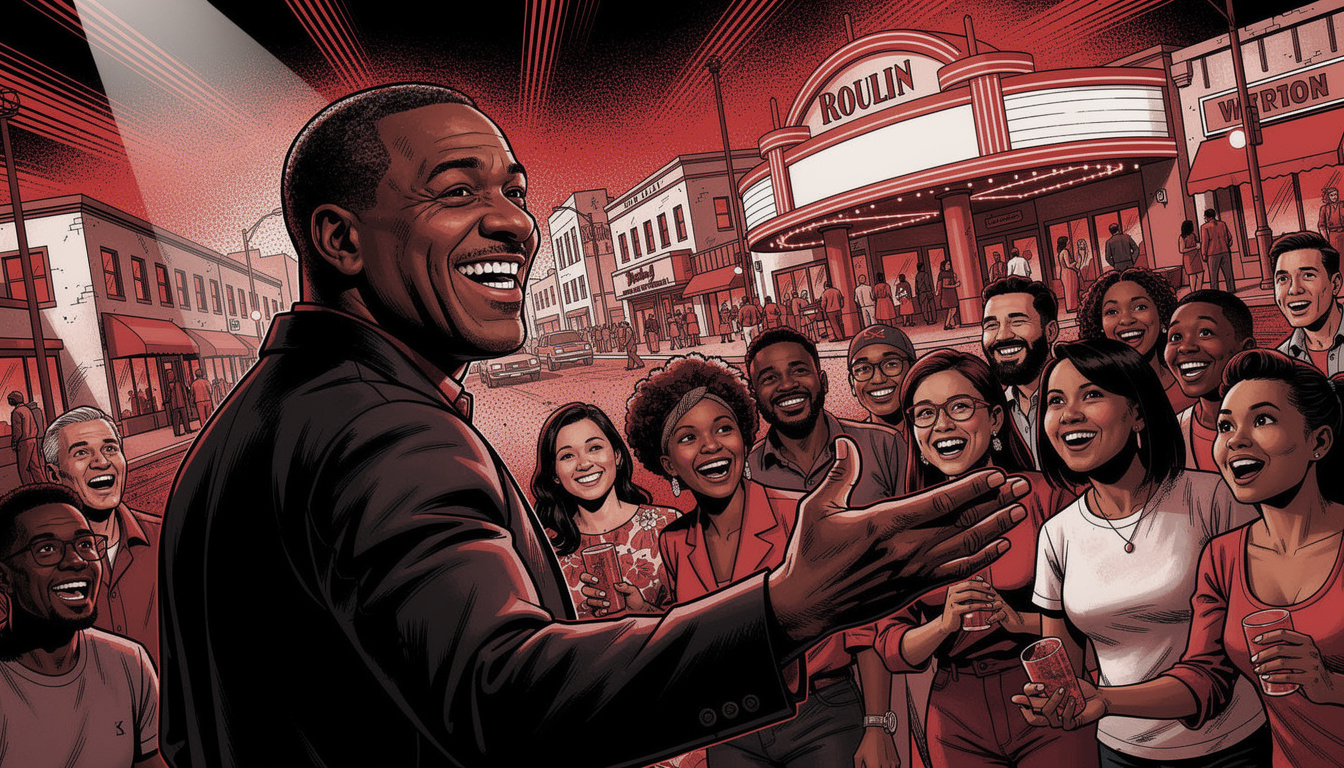
The Moulin Rouge Hotel and Casino opened in 1955 as the first racially integrated hotel-casino in Las Vegas.
The property operated briefly but played a lasting role in pushing the city toward desegregation.
The Strip gets the postcards. The Historic Westside holds part of the city’s soul.
If you only know Las Vegas by megaresorts and neon, you are missing the block where the real story hit harder and lasted longer.
This is where Black Las Vegas built community during segregation, created culture under pressure, and shaped a city that did not always welcome them.
And right at the center of that story sits one name locals should know cold: the Moulin Rouge.
Start Here: What the Historic Westside Actually Means
The Historic Westside is not just another Las Vegas neighborhood with a few plaques and a couple of stories attached. It is one of the only places in the city where you can still feel how Las Vegas was built from the ground up by people who were not invited into its spotlight.
Before the megaresorts, before the global tourism machine, before Las Vegas became a brand, this neighborhood was a necessity. It was where Black residents lived because they were not allowed to live in many other parts of the city.
That reality changes how you should approach it. This is not trivia. This is not background noise. This is core history.
During the mid-20th century, Las Vegas operated under segregation. Black entertainers could perform on the Strip but were often not allowed to stay in the hotels where they headlined. Workers could help build the city, but could not fully participate in it.
The Historic Westside became the response to that contradiction.
It was community. Families built lives here when options were limited elsewhere.
It was culture. Music, food, and local business thrived inside tight boundaries.
It was resilience. People created opportunity in a system that restricted it.
If you are exploring Black history in Las Vegas, this is not a side stop. This is where you begin.
The Story Behind the Shine
Las Vegas built its image on access, luxury, and freedom.
But for a long time, access depended on who you were.
The Moulin Rouge: A Breakthrough That Changed the City
When people hear the Moulin Rouge, they often think of a famous name or a piece of Vegas nostalgia. That is not enough. The Moulin Rouge was a turning point.
Opened in May 1955, the Moulin Rouge Hotel and Casino became the first racially integrated resort in Las Vegas. That means Black and white guests could stay, dine, and gamble together in the same space. At the time, that was a direct challenge to how the city operated.
It was not subtle. It was not quiet. It was a signal.
The property was located in the Historic Westside, not on the Strip. That matters. It was built in the community that had been excluded, and then it flipped the script.
For a moment, it worked.
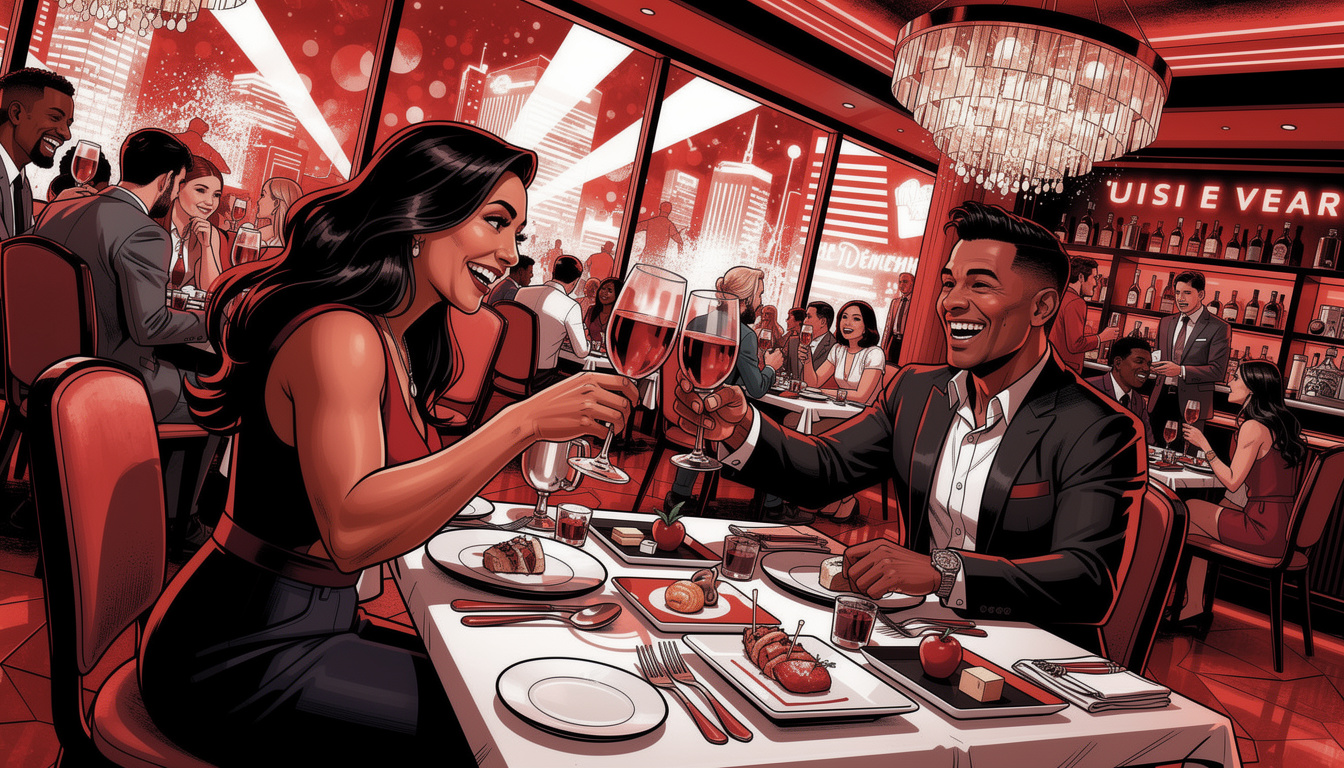
Top entertainers came through. The energy was real. The atmosphere was different. It was not just a casino. It was proof that Las Vegas could operate another way.
But the reality was complicated. The Moulin Rouge closed just months after opening due to financial issues. The building did not survive as a long-term resort. Fires and time took their toll.
Yet the impact did not disappear.
It forced a conversation. Integration was no longer theoretical. It had already happened.
It created pressure. Other casinos could not ignore what the Moulin Rouge proved was possible.
It became symbolic. Even after closing, it stood for change.
In 1960, the Moulin Rouge site became the location of negotiations that led to the desegregation of Las Vegas Strip casinos. That is not a small footnote. That is a major chapter.
One Building. Real Impact.
It did not last long as a casino.
But it lasted forever as a turning point.
The Reality of Segregation in Las Vegas
To understand why the Moulin Rouge mattered, you have to understand what Las Vegas looked like before it opened.
Segregation in Las Vegas was not always written into law the same way it was in parts of the Deep South, but it was enforced through business practices and social norms.
Black residents faced restrictions on where they could live, where they could work, and where they could spend their money.
Even as Las Vegas promoted itself as a place of freedom and escape, those limits were real.
Entertainers like Sammy Davis Jr. could headline major venues but often had to return to the Historic Westside to sleep. Workers who helped build casinos were not always allowed to fully participate in the spaces they helped create.
That contradiction is key to understanding the city.
Las Vegas sold opportunity. But access was uneven.
The Strip created wealth. But not everyone shared in it equally.
The Westside held the community together. When the rest of the city did not.
This is why the story is not just about one casino. It is about the system around it.
Why the Historic Westside Still Matters Today
The Historic Westside is not frozen in time. It is not a museum. It is a living neighborhood.
People live here. Families grow here. Businesses operate here. And the history still sits underneath all of it.
That is what makes it powerful. You are not walking through a recreated version of the past. You are walking through a place where the past still echoes.
Over the years, there have been efforts to preserve and recognize the significance of the area. The Moulin Rouge site has been designated as a historic location. Local organizations continue to push for awareness and preservation.
But like many parts of Las Vegas, change moves fast.
Development pressures, shifting priorities, and the constant push toward the next big thing can make history feel fragile here.
That is why this story still matters.
It grounds the city. Not everything started with the Strip.
It adds context. The image of Las Vegas did not appear overnight.
It builds respect. The city exists because people built it under difficult conditions.
Vegas Moves Fast
New buildings go up. Old ones disappear.
History only survives if people choose to remember it.
How to Visit the Historic Westside the Right Way
If you are going to explore the Historic Westside, you need to approach it differently than you would the Strip.
This is not about checking a box. It is about understanding what you are looking at.
Start with awareness.
Know the story. Understand segregation and why this neighborhood existed the way it did.
Respect the space. This is a residential community, not a themed attraction.
Take your time. The value here is not in speed. It is in context.
When you think about the Moulin Rouge, do not just think about the building. Think about what it represented. Think about what it challenged. Think about what it changed.
That is where the real experience comes from.
What Most People Miss
Most visitors to Las Vegas never see the Historic Westside. They stay within the Strip corridor. They follow the lights. They follow the marketing.
That means they miss one of the most important layers of the city.
The biggest mistake people make is looking for something flashy. Something obvious. Something that feels like a payoff.
The Westside does not work like that.
It asks for attention instead of spectacle.
Look for connection. The Moulin Rouge is part of a bigger story.
Look for contrast. Compare the neighborhood to the Strip and think about why they developed differently.
Look for meaning. The value is not in what you see. It is in what you understand.
That shift changes everything.
Not Everything Loud Is Important
The Strip is designed to get your attention.
The Westside earns it.
Why Vegas Cares
Las Vegas markets the future better than almost any city in the world. New builds. New shows. New attractions.
But the city only makes sense when you understand its past. The Historic Westside shows how a community formed under pressure and still managed to create culture, identity, and impact.
The Moulin Rouge stands as a moment where the system cracked, and something different broke through. That is why the story stays local, personal, and important.
Why This Story Belongs in Every Vegas Guide
An actual guide to Las Vegas should not just tell you where to go. It should tell you what you are looking at.
The Historic Westside and the Moulin Rouge give you that deeper layer.
They explain how the city evolved. They show you the gaps between the image and the reality. They make Las Vegas feel real instead of just impressive.
That matters.
For locals: it reinforces that the city’s identity is bigger than entertainment and tourism.
For visitors: it adds meaning to the experience.
For anyone learning Las Vegas: it provides a foundation that most people never get.
If you want the real Las Vegas, do not stop at the Strip. Step off the main path. Go where the history still speaks. Let the Historic Westside show you the version of the city that does not need lights to be powerful.
Because once you see it, Las Vegas stops feeling like a show.
It starts feeling like a story.
And that story is a lot bigger than most people realize.