Under the neon fantasy, there's a second Las Vegas most people never see. It's dark, dirty, and painfully real, and yes, people actually live in the sewer like rats while the Strip keeps selling bottle service five miles away.
What to Know
Hundreds of homeless people have been known to live under Las Vegas in flood channels and tunnels, especially near the Strip, Charleston, and Flamingo. That's not a movie plot. That's Tuesday.
These underground spaces can feel like an underground family for some people, but they're also packed with drugs, violence, disease, and sudden floods during monsoon season. One bad storm and everything changes.
Las Vegas has a homeless problem that doesn't vanish when tourists look away. It just drops below street level, where no relief can feel normal.
There's a whole city under the city
Let me tell you something. Vegas loves a cover-up. We hide the ugly stuff behind palm trees, casino walls, and a very aggressive amount of LED lighting.
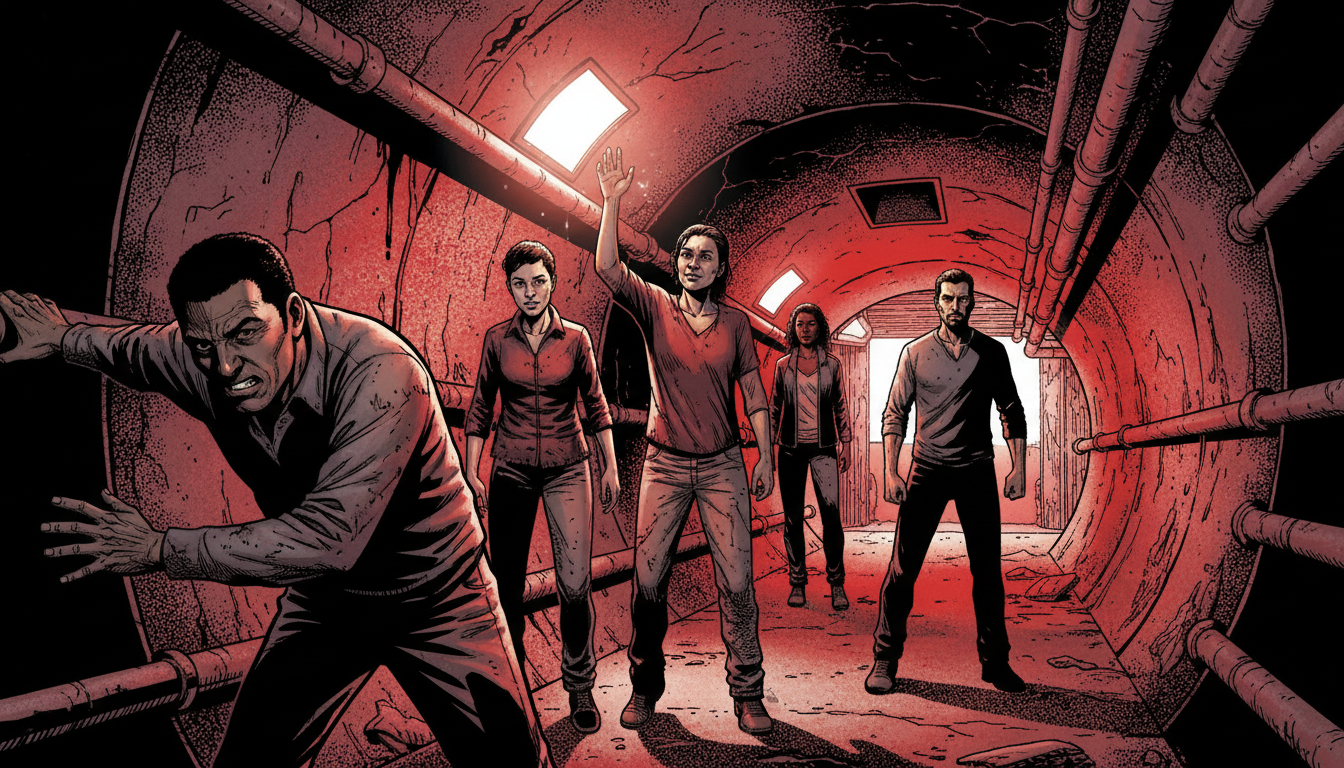
But under Las Vegas Boulevard, under roads like Tropicana, Flamingo, and Charleston, there's another world. Storm tunnels. Washes. Concrete channels. Places built to move flood water fast. Places where people now live in the sewers because they don't have a bed, shelter, money, or a safe place to land.
It sounds unreal until you see the entrances yourself near the Strip, around Owens, or off I-15. Then it hits. This isn't urban legend. It's real life.
Vegas sells escape. The tunnels sell survival.
People end up there for all kinds of reasons. Some are dealing with mental illness. Some are running from violence. Some got crushed by rent, job loss, or gambling addiction. Some are caught in drug addiction or alcohol addiction. Some are mentally disturbed and haven't gotten psychiatric help or treatment in years. Some are just flat-out tired of sleeping on the streets where cops, heat, and scared tourists make every hour feel like a fight.
And yes, people down there make homes out of almost nothing. Clothing piled in corners. Food stashed in bins. Mattresses dragged through dirt. Shopping carts. Blankets. Little signs of order in a place that can wash away in minutes.
That's the part people don't get. It's not just dirty. It's organized desperation.
The Neon Stops at the Drain
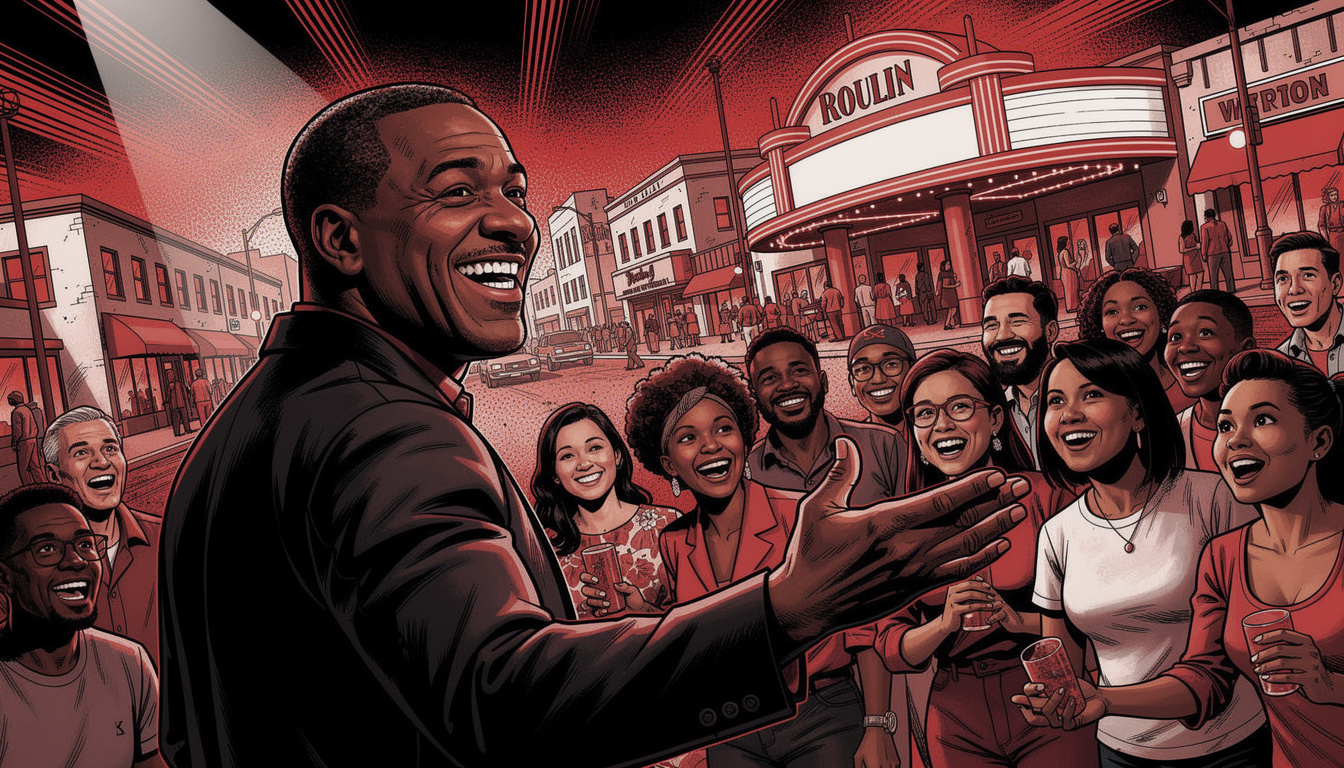
Tourists chase fountain shows at Bellagio. Ten minutes away, someone might be figuring out how to keep their shoes dry in a flood tunnel. Same city. Wild difference.
Why people go underground in the first place
Above ground isn't exactly gentle. Life-threatening summer temperatures can turn sidewalks into frying pans. The desert heat doesn't care if you've got water, shade, or a pulse. Sleeping on the streets in July isn't rough. It's life-threatening.
Vegas heat doesn't warn you. It tests you.
For some homeless people, the tunnels feel cooler than the curb and safer than open sidewalks. No casino security moving you along. No endless trespassing warnings. No loitering tickets. No strangers filming you for TikTok like you're part of the street scenery.
That's the twisted math. Underground can feel like freedom when the street feels like humiliation.
Some folks find an underground family there. They share food, advice, clothing, and lookout duty. They warn each other about floods, fights, stealing, and who can't be trusted. They build a street hustle below the street. It's community, just stripped down to survival mode.
Still, don't romanticize it. Not for one second.
No help can start to feel normal. That's how deep the sadness goes.
People wind up in this world through broken systems and broken luck. A missed paycheck. A ruined credit score. A bad breakup. Mental illness with no psychiatric help. Rehab that never stuck. Treatment centers with waiting lists. Government assistance that feels like paperwork with a pulse. A shelter that fills up. A family that stops answering the phone.
One bad month can become a whole new address.
What's actually happening down there
This is where the fantasy falls apart. Life in the sewer isn't some rebellious anti-city experiment. It's dirty, dangerous, and often painful in ways most people couldn't handle for one night.
There are drugs everywhere. Drug use isn't rare. It's part of the environment. Meth, fentanyl, heroin, pills. Overdose is always in the room, even when nobody says the word out loud. People have been found dead in these tunnels. Some from overdose. Some from violence. Some from sickness. Some after floods. Deaths down there don't always make noise above ground.
Silence can be deadly.
There's also sex, coercion, and exploitation. Sex trafficking is part of the broader street reality around vulnerable homeless populations, especially women and young people. When someone needs money, food, protection, or a place to sleep, the worst people show up fast. That's not drama. That's the playbook.
Fights happen. Fighting over space, stolen supplies, drug debts, jealousy, or plain old paranoia. Add alcohol addiction, untreated trauma, and desert exhaustion, and little problems turn huge real fast.
Then there's disease. Infection. Open wounds. Trash. Rats. Human waste. Smoke. Mold. Sickness that lingers because clean water, showers, treatment, and rest aren't easy to get. You can't heal well in a storm drain. No doctor needed to tell you that.
And still, some people stay because above ground feels even more hostile. That's the brutal contradiction at the center of this whole thing. A tunnel can be both refuge and trap.
Hope gets weird down there.
Your GPS Won't Show This Part
You can map every happy hour on Fremont. You can't map the hopeless parts people hide from the sun, the cops, and each other.
Monsoon season is the real landlord
If you've lived here long enough, you already know the deal. The sky can look harmless at 3 p.m. and absolutely unhinged by dinner. Monsoon season in Las Vegas isn't cute. It's violent, fast, and mean.
That's when living underground turns from desperate to deadly.
These tunnels were built for floods. That's their whole job. Water can rush through with terrifying speed, carrying shopping carts, bikes, blankets, needles, trash, and people. If someone lives in the sewer and doesn't get out in time, the tunnel can become a grave.
The desert can drown you. That's the sick joke.
Locals know how fast washes fill near Desert Inn, Sahara, and the east side channels. People who've never seen it happen think they've got time. They don't. Belongings disappear in minutes. So do makeshift homes. Sometimes bodies are found dead after storms. Sometimes people just vanish into the chaos and get counted later, if at all.
This is why outreach workers, rescue teams, and longtime advocates push so hard before storms roll in. They know what water does here. Newcomers respect the heat. Locals fear the flood.
That's when locals know. You just got here.
The street version above ground isn't much kinder
Some people hear about the tunnels and think, well, why not just stay above ground? Because above-ground comes with its own mess.
You've got begging at intersections from Spring Mountain to Sahara. Beggars on medians. People sleeping in doorways downtown. Street nudity. Public breakdowns. Mentally disturbed people shouting at traffic on Maryland Parkway. Scared tourists clutching souvenir cups like they'll stop a crisis. Casino security pushing people off property like they're cleaning gum off a shoe.
Vegas wants your wallet. Not your suffering.
Trespassing and loitering laws don't fix homelessness. They just move it. One block, one wash, one tunnel entrance at a time. The city can sweep camps. It can't sweep away reality.
And reality is ugly. Some people are helpless. Some are hopeless. Some are destroyed by addiction. Some are dealing with mental illness so severe they can't hold onto IDs, appointments, or basic safety. Some need rehab. Some need treatment. Some need a bed, food, showers, clothing, and somebody who won't disappear after one conversation.
No solution gets obvious when every problem stacks on top of the next one.
That's why the tunnel story sticks. It forces people to see what they've been trying very hard not to see.
Can anyone get out?
Yes. Some do. People have left tunnel life behind with help from outreach groups, shelters, case workers, churches, treatment centers, and plain stubborn luck. They get assistance with IDs, detox, rehab, mental health care, psychiatric help, job leads, housing lists, and basic supplies. A shower can change someone's whole day. A safe bed can change the next month.
Small things hit big.
But let's not fake a movie ending. Getting out is hard. Staying out can be harder.
If someone is dealing with drug addiction, alcohol addiction, gambling addiction, trauma, violence, and sickness all at once, one bus pass and a pep talk won't fix it. Add missing documents, unpaid warrants, distrust, untreated mental illness, and the grind of daily survival, and recovery starts looking like a full-time job nobody trained you for.
Some people don't want shelter because they've been robbed there, assaulted there, split from partners there, or had their stuff tossed there. Some won't go because of rules about pets, curfews, sobriety, or storage. Some are too deep in drug use to stay stable long enough to complete intake. Some just don't believe help is real anymore.
That's what repeated failure does. It teaches people not to trust a hand reaching out.
No relief can become a mindset.
Hope's Still Breathing
Not every tunnel story ends in tragedy. Some people climb out, get clean, get housed, and never look back. That's rare. It's still real.
The city keeps searching for a fix that isn't there yet
Everybody's got plans. That's very Las Vegas. Build it, brand it, cut a ribbon, call it progress.
But homelessness doesn't care about a press conference.
City planning, county outreach, nonprofit work, shelters, and government assistance all matter. So do cooling centers in summer, flood warnings in storm season, mobile medical teams, treatment options, and housing-first ideas. Those aren't fake efforts. They help real people every day.
Still, Las Vegas has a homeless problem that's bigger than one shelter and uglier than one policy. Affordable housing is tight. Mental health systems are overloaded. Treatment centers fill up. Public patience runs thin. Compassion burns out. Politics gets loud. The need stays put.
That's the maddening part. There are solutions for pieces of the problem. There isn't one clean solution for all of it.
No solution is the answer people hate most. It's also the honest one.
And because this is Vegas, the contrast never stops being absurd. A city that can build a fake Eiffel Tower overnight still struggles to keep people from living in flood channels. You can't make that make sense. You can only admit it.
Why Vegas Cares
This isn't some side story for activists and true-crime fans. It hits the whole valley. When people are forced into washes and tunnels, the risks spread out fast. Emergency crews respond to floods, overdose calls, fires, fights, and medical crises. Hospitals absorb the fallout. Businesses complain. Residents get angry. Tourists get scared. Meanwhile, the people at the center of it keep getting sicker, poorer, and harder to reach.
Las Vegas can't keep pretending the Strip is the whole city. Locals in the Arts District, downtown, Paradise, and the east side already know better. We see the begging at intersections, the sleeping on the streets, the crisis near bus stops, the summer collapse when the desert heat gets vicious. This isn't a branding issue. It's a human one. And if the only plan is moving people out of sight, then don't act shocked when the problem keeps showing up under your feet.
Vegas is built on illusion, but the tunnels don't play along. They force this city to look at its own reflection with the makeup wiped off, and honestly, that's the part that scares people most. Not the dark. The truth.
What this says about Las Vegas, whether we like it or not
The tunnel city doesn't exist because people are lazy, weird, or beyond saving. It exists because real life cornered people until a storm drain looked reasonable.
That's the indictment.
This story holds every ugly thing Vegas tries to blur out. Poverty next to penthouses. Addiction next to jackpots. Sadness next to pool parties. Human beings surviving in concrete tubes while tourists complain their room upgrade took too long.
You can hear the contrast from the Strip to Henderson. You can feel it from Fremont to Summerlin. The city runs on image, but the underground keeps receipts.
Nothing about it is clean. Nothing about it is simple. But pretending these lives don't count because they're hidden below road level is the cheapest trick this town pulls.
The tunnels are real. So is the failure that built a need for them.