What Is the Best Way to Get Around the Las Vegas Grand Prix?
The smartest Las Vegas Grand Prix transportation plan is a combination play: ride the Monorail toward the circuit, walk to your ticketed entrance, and save rideshare for locations outside the most intense closure zone. That is the winning setup when Formula 1 takes over the Strip.
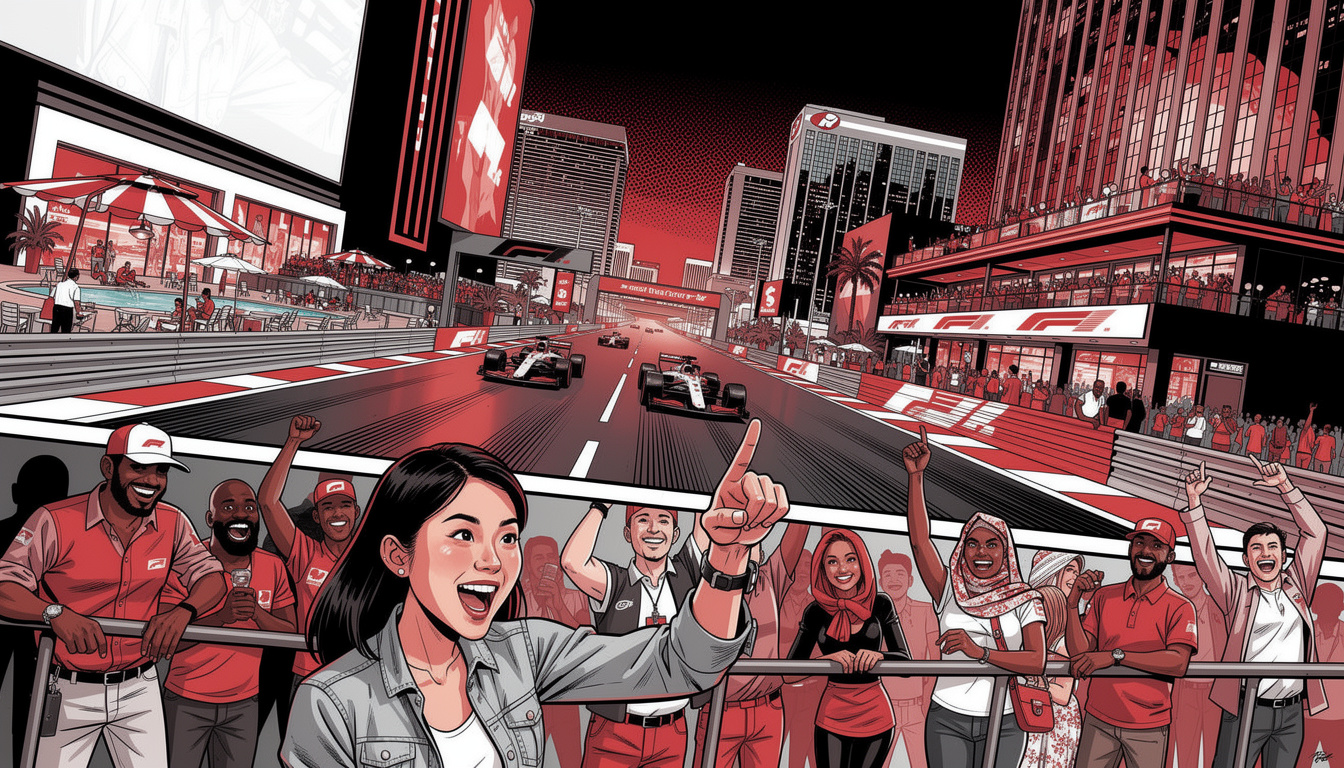
The Las Vegas Strip Circuit uses Las Vegas Boulevard, Harmon Avenue, Koval Lane, and Sands Avenue. When the track is active, those roads become part of the racing surface, so normal driving routes, hotel entrances, pedestrian crossings, and pickup points can change. A destination that looks close on a map may sit across the circuit from your gate.
Your ticketed zone matters more than the name of the nearest casino. Before leaving your hotel, check the official event map for your assigned entrance and follow that route. Do not assume you can walk across the track or enter through another zone once the circuit is closed.
Use the Las Vegas Monorail to Bypass Street Traffic
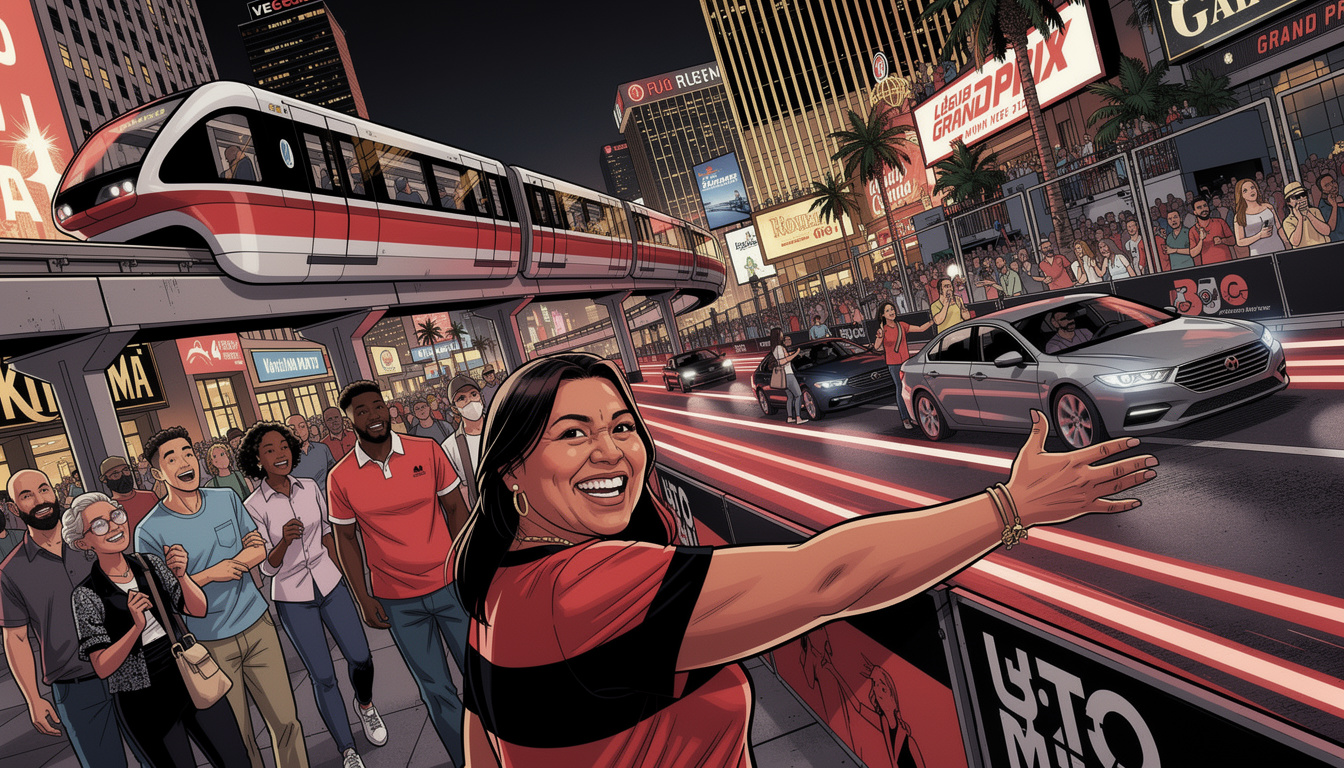
The Las Vegas Monorail is usually the strongest first move for race fans staying along or near the Strip. Its elevated route runs for 3.9 miles along the east side of the resort corridor, serving seven stations between MGM Grand and Sahara Las Vegas. Because the trains run above street traffic, they can continue operating while the racing circuit is closed below.
The full station lineup is MGM Grand, Horseshoe/Paris, Flamingo/Caesars Palace, Harrah’s/The LINQ, Boingo Station at the Las Vegas Convention Center, Westgate, and Sahara. Trains generally arrive every four to eight minutes, although platforms and fare gates can become crowded around major sessions.
Which Monorail station should you use?
There is no single best station for every Grand Prix ticket. The right stop depends on your zone and its assigned entrance:
- Horseshoe/Paris: A useful central Strip stop for ticket holders whose official route begins near the Paris and Horseshoe side of the circuit.
- Flamingo/Caesars Palace: A strong option for central Strip access, including routes beginning near Flamingo Road.
- Harrah’s/The LINQ: Convenient for the northeast side of the Strip corridor and some approaches toward Sands Avenue and the Sphere area.
- MGM Grand: Best treated as a south Strip connection point. It may still leave you with a substantial walk, depending on your entrance.
- Las Vegas Convention Center, Westgate, and Sahara: Useful for fans staying north of the circuit or trying to approach the event without driving into the center of the Strip.
The central stations can place riders within the circuit’s broader footprint, but that does not guarantee a straight walk to every zone. Once the track is hot, crossing points are limited and event routing controls the game. Check your gate before choosing a station, not after the doors open.
Monorail hours, passes, and timing
The Monorail’s published schedule normally begins at 7 a.m. daily. Service ends at midnight on Monday, 2 a.m. Tuesday through Thursday, and 3 a.m. Friday through Sunday. Event operations can change, so confirm the schedule for your race weekend before committing to a late-night return.
Both one-ride tickets and unlimited passes are available. The best value depends on where you are staying and how often you expect to ride. An unlimited multiday pass can make sense if the Monorail will also carry you to meals, parties, and other Strip stops. If you only need one trip toward the circuit and one trip back, compare the current fares before buying.
The official Monorail ticket page lists current prices and mobile options. Buying online lets you scan a phone at the fare gate and can save time at station ticket machines. Give yourself extra platform time before qualifying and the race, when thousands of fans may be making the same power move.
Build a Smarter Rideshare Plan
Uber and Lyft can work during Grand Prix weekend, but trying to ride directly to a grandstand is the rookie mistake. Road closures, security perimeters, traffic controls, and hotel access restrictions can force drivers away from their usual routes. Your app’s estimated arrival time can also change quickly as demand climbs.
Where should rideshare passengers get dropped off?
The Grand Prix establishes designated rideshare pickup and drop-off locations for race weekend. Those locations can change from one edition of the event to the next, so do not rely on a saved pin, an old social media post, or last year’s transportation map.
Use the official event map to identify the rideshare location serving your ticketed zone. The Las Vegas Grand Prix A-Z Guide directs guests to the official F1 Las Vegas app for detailed maps, walking directions, and event updates. Enter the published rideshare location in your app rather than dropping a pin beside the circuit.
A better strategy is often to take rideshare to a Monorail station outside the busiest part of the closure area, then ride the train toward your zone. This split trip can reduce the amount of time your driver spends battling Strip traffic. It also gives you a cleaner exit plan when the session ends.
How to handle crowds and surge pricing
Expect the heaviest demand immediately before gates get busy and after major on-track sessions finish. Prices and pickup times are dynamic, so no specific waiting period guarantees a cheaper fare. Compare both rideshare apps, check the walking distance to the designated pickup point, and be ready for a longer trip than the mileage suggests.
If you do not need to leave immediately, let the first wave move out while you grab food or enjoy nearby entertainment. Scheduling a ride may be convenient, but it does not eliminate road closures, driver availability issues, or event traffic. Treat a reservation as part of the plan, not a VIP pass through the barricades.
Plan Walking Routes Around Your Ticketed Zone
Walking is unavoidable for most Grand Prix guests, even when the Monorail or rideshare handles the first part of the trip. The real insider move is to plan that walk around your entrance rather than aiming for the nearest visible grandstand.
The Strip has pedestrian bridges and resort walkways, but race operations may change how people move through the area. A bridge can help you cross a regular intersection without entering traffic, yet it does not automatically cross an active section of the circuit or connect to your ticketed zone. Follow event signs and staff instructions whenever they differ from your normal Vegas route.
How to choose a safe walking route
- Start with the gate: Find the entrance printed for your zone, then work backward to the most practical Monorail station or rideshare area.
- Use official pedestrian paths: Stay on marked routes and obey temporary fencing, barricades, and security checkpoints.
- Do not count on casino shortcuts: Resort entrances and internal walkways may be redirected or restricted during race operations.
- Avoid cutting across active roads: Use designated crossings and pedestrian bridges where event routing permits them.
- Budget more time than the map suggests: Crowds, security screening, elevators, bridges, and temporary detours all add minutes.
Comfortable shoes are mandatory in the unofficial Vegas sense. This is not the night to break in a new pair. Bring a charged phone, carry a portable battery, and save a screenshot of your ticket and route in case cellular service slows under heavy demand.
Your Race-Day Transportation Checklist
Grand Prix transportation changes with traffic controls and event operations, so make one final check before leaving. Clark County’s Formula 1 information page publishes traffic-impact resources and links to circuit transportation maps when race-week plans are active.
- Confirm your ticketed zone, gate, and permitted entry time.
- Check the current event map for pedestrian and rideshare routing.
- Choose your Monorail station based on the entrance, not merely the closest resort.
- Allow extra time for crowds, fare gates, security, and detours.
- Save the return route before entering the event.
- Carry a portable charger and keep your group’s meeting point specific.
The cleanest game plan is simple: stay off the street grid when possible, use the Monorail for the long move, walk the approved final route, and treat rideshare as a connection rather than door-to-door service. Do that, and you spend less time staring at brake lights and more time inside the biggest racing spectacle on the Strip.