What to Know
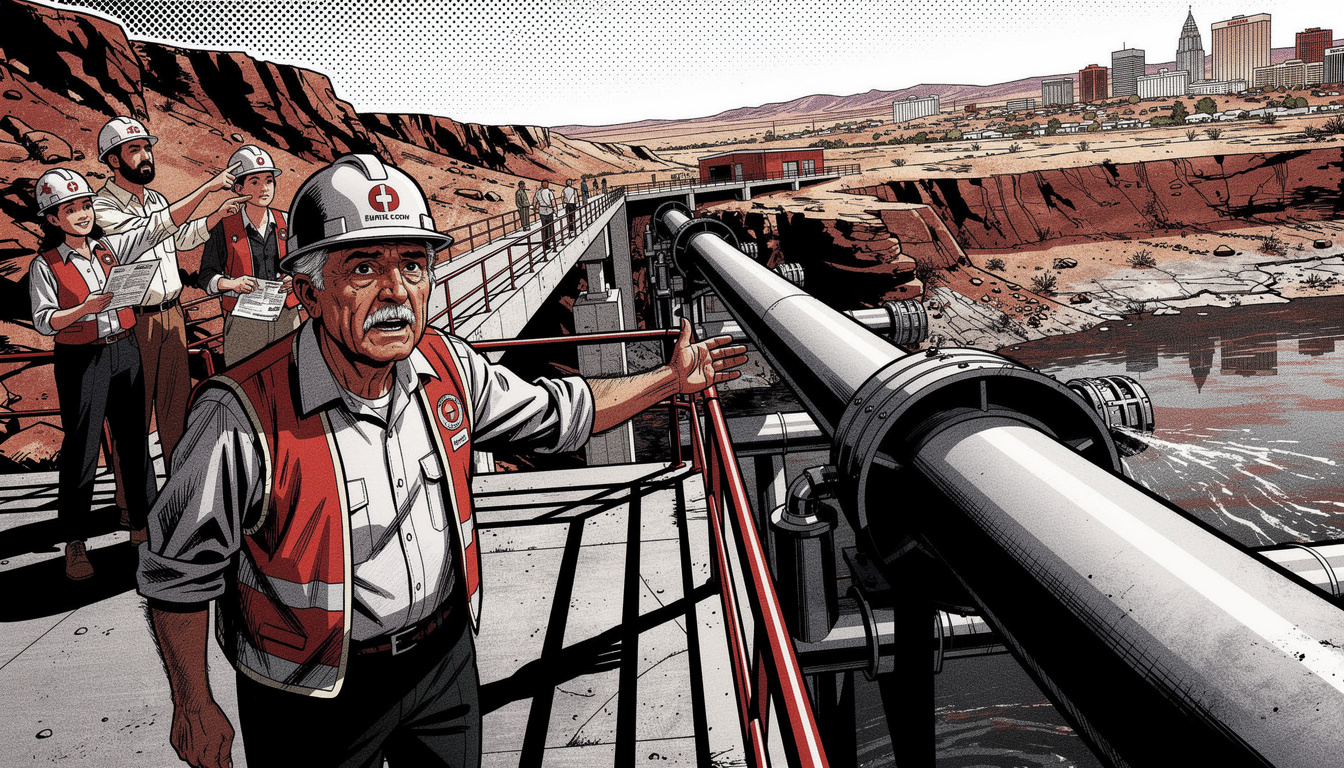
- A pumped-storage hydropower project has been proposed southwest of Las Vegas, according to multiple local reports.
- The project is near Goodsprings and Sandy Valley, which makes this feel very real to nearby communities.
- The main backlash is simple and sharp: in the desert, any project tied to heavy water use gets side-eyed immediately.
The desert keeps receipts.
So when a new hydropower project shows up southwest of Las Vegas and water becomes the loudest concern, people notice fast. Out here, nothing gets folks fired up quicker than a plan that sounds smart on paper and thirsty in real life.
This proposal isn't tucked in some abstract corner of Nevada. It's near Goodsprings and Sandy Valley, where locals already know the land isn't playing around.
That's the tension. Hydropower sounds clean. Water fights in the Mojave never are.
This Is Why People Are Bristling
Let's be honest. The phrase hydropower project sounds like something you're supposed to clap for.
Clean energy. Big infrastructure. Future-focused. All good buzzwords, right?
Then one word crashes the party: water.
That's when Vegas locals stop nodding and start squinting. You can almost hear the collective, "Hold on. With what water?"
According to the Las Vegas Review-Journal, a pumped-storage hydropower project has been proposed for development southwest of Las Vegas. That's the factual core.
The emotional core is even easier to understand. People here live in a place where water isn't background noise. It's the whole soundtrack.
This city can build a fake Eiffel Tower and a volcano. It still can't fake a lake.
That's why criticism around water use lands so hard. In Southern Nevada, water isn't some side detail buried on page 12. It's the headline before the headline.
- Hydropower sounds green. But if the water math feels shaky, locals won't care how sleek the pitch deck looks.
- The desert changes the conversation. A plan that might sound routine somewhere wetter hits different out by Red Rock country.
- People have trust issues. Fair or not, any big project asking for patience around water starts in a hole.
The Desert Does Not Do Blind Faith
You can sell people on vision. You can't sell them on vague.
Especially not west of the valley, where the land itself feels like a fact-check.
Location Changes Everything
This isn't just "southwest of Las Vegas" in some vague real estate brochure way. Per 8 News Now, the proposed project is near Goodsprings and Sandy Valley.
That matters. A lot.
Once a project has real nearby communities attached to it, the debate gets personal fast. It's no longer a map pin. It's your road, your view, your water anxiety, your backyard conversations.
Locals in those areas don't need a consultant to explain what the desert looks like. They live with it every day.
That's the part newcomers miss. In Southern Nevada, distance on a map can still feel very close when resources are involved.
Ask anyone who's ever driven out past the edge of the suburban sprawl. The valley drops away, the landscape opens up, and suddenly every decision feels bigger.
You feel small out there. That's probably healthy.
As reported by KTNV and FOX5 Vegas, community pushback has centered on water concerns. Again, that tracks perfectly with local instinct.
Nobody hears "proposed project near Goodsprings" and thinks, "Cool, let's assume it'll all work itself out." That's not how desert people think. That's how people think before their water bill shows up.
- Goodsprings isn't just a dot on the map. It's one of those places that reminds you Southern Nevada is bigger than master-planned neighborhoods.
- Sandy Valley isn't abstract either. When nearby residents worry, that's not noise. That's the story.
- Place shapes politics. A project near communities feels very different from one hidden in a spreadsheet.
Locals Can Smell a Water Fight Early
Sometimes before the public meeting starts.
That's not cynicism. That's experience.
Clean Energy Still Has to Survive Desert Logic
Here's the tricky part. Criticizing a hydropower proposal doesn't mean someone is anti-energy or anti-progress.
It often means they're anti-hand-waving. Big difference.
Pumped-storage hydropower has a polished reputation because it sits under the broad umbrella of energy infrastructure. But broad umbrellas don't help much when the issue is local water use in the Mojave.
This is where a lot of project language loses regular people. The pitch can sound futuristic. The concern sounds immediate.
And immediate wins every time.
If a proposal touches water in a region built around scarcity, people are going to interrogate it harder than a tourist trying to merge onto the 215 at the last second. That's just local law now.
Locals aren't being dramatic. They're being desert-coded.
According to local reporting, water concerns are central to the opposition. That should surprise exactly nobody who's spent more than one summer here.
Vegas has always lived inside a weird contradiction. We build big. We dream bigger. But under all that flash is a city that knows one basic truth: water limits everything.
- Good intentions don't erase hard questions. People still want to know what gets used, where it comes from, and who takes the risk.
- "Green" isn't a magic word. In Nevada, clean energy still has to pass the common-sense test.
- The burden is on the project. If residents are uneasy, the answer can't be, "Trust us, it'll be fine."
Pretty Renderings Don't Fill Reservoirs
That's the blunt version.
And blunt is usually how Nevada talks about water.
Why Vegas Cares
Las Vegas runs on reinvention, but it survives on restraint. People here know the Strip can glow all night and the valley can keep sprawling, yet the deeper math never disappears.
Water shapes everything from how we talk about development to how we read headlines like this one. Whether you live in Summerlin, commute down Blue Diamond, or only think about Goodsprings when visitors want a scenic drive, the same instinct kicks in fast: if a project needs serious water scrutiny, Southern Nevada residents want answers before applause.
This Debate Feels Bigger Than One Project
That's because it is. This proposal has become a familiar Southern Nevada stress test.
How much growth, infrastructure, and ambition can this region chase before the water question slams back onto the table?
Every few years, the valley gets another reminder. You can rebrand almost anything. You can't rebrand scarcity.
That's the viral line right there.
The project's supporters may see opportunity. Critics see a very old desert rule wearing a new name.
That clash isn't going away. If anything, it'll show up more often as more land, more energy demands, and more long-range planning collide around the Las Vegas edge.
This is why locals get prickly. They've seen too many big ideas arrive dressed like inevitabilities.
Nothing is inevitable out here. Not rain. Not growth. Not public buy-in.
That's why this fight matters. Not because hydropower sounds scary, but because desert people have learned the hard way that every "promising" project eventually has to answer the driest question in town. Show us the water plan, or don't act shocked when locals call bluff.