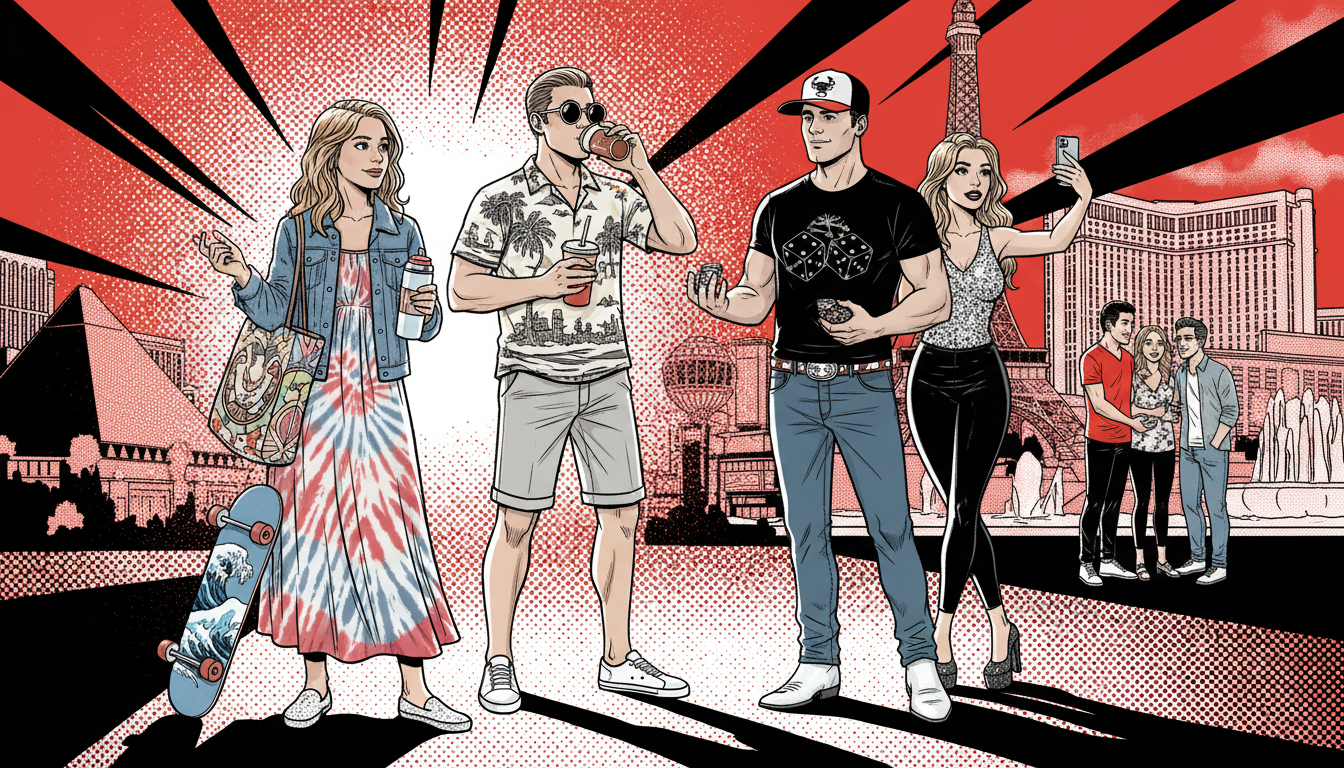
You can hear California before they even say a word.
It happens at a red light on Flamingo, in line at Dutch Bros, or halfway through a confused turn near the spaghetti bowl. A real Vegas local does not need a full conversation. We need about 10 seconds. Sometimes less.
This city has a radar for people who are new to Vegas, especially the ones who just moved to Vegas from somewhere west and still think the desert works like Santa Monica with better parking.
That is not hate. That is pattern recognition. Las Vegas has its own rhythm, its own codes, and its own little survival tricks. Californians show up with habits that stick out fast. The plates. The lane choices. The shock when locals treat The Strip like a place to avoid, not admire.
It is almost cute.
Vegas heat does not warn you. It tests you.
Locals can spot fresh California energy from a block away.
The License Plate Gives the Game Away
The easiest tell is still the oldest one. California plates in Vegas might as well come with a flashing sign that says, “I just got here and I still call free parking a human right.” You see them stacked at apartment complexes in Spring Valley, tucked into drive-thrus in Henderson, and creeping through Summerlin roundabouts like the map app just betrayed them.
Now, to be fair, not every car with California plates belongs to someone who just moved to Vegas. Some are visiting family. Some are here for work. Some are still waiting on DMV paperwork because the Nevada DMV is its own side quest. But locals know the difference between a weekend visitor and somebody settling in. The longer the plates stay, the louder the story gets.
That plate is basically a moving announcement.
And yes, people notice where you park too. If the car is backed into a nice apartment spot in Silverado Ranch with a tiny palm tree air freshener and a Costco haul in the trunk, folks are already connecting dots. Vegas is nosy in a very efficient way.
California plates at an In-N-Out on Tropicana: could be a tourist.
California plates at Smith’s at 10 p.m. on a Tuesday: okay, now we are building a case.
California plates in the HOA lane in Summerlin: welcome to the neighborhood, probably.
They Drive Like Every Exit Is a Trust Fall
If you want to know who is new to Vegas, just watch what happens on the I-15. A local knows the freeway is part race, part prayer, and part group project gone wrong. Californians often enter the scene with confidence, but it is the wrong kind. They miss a lane split. They freeze near the resort corridor. They treat the 215 like it should explain itself better.
Then comes the move. The late, dramatic cross-lane slide because they suddenly realized their exit is now. That is how locals know. You just got here.
Vegas roads do not reward hesitation.
The spaghetti bowl has humbled stronger people than this. If someone is white-knuckling the wheel near the US-95 merge like they just entered a video game boss level, locals clock it. Same with drivers who get nervous around Charleston, Sahara, and Decatur during the busy hours. Vegas traffic has rules, but they are mostly emotional.
The GPS says left. Vegas says good luck.
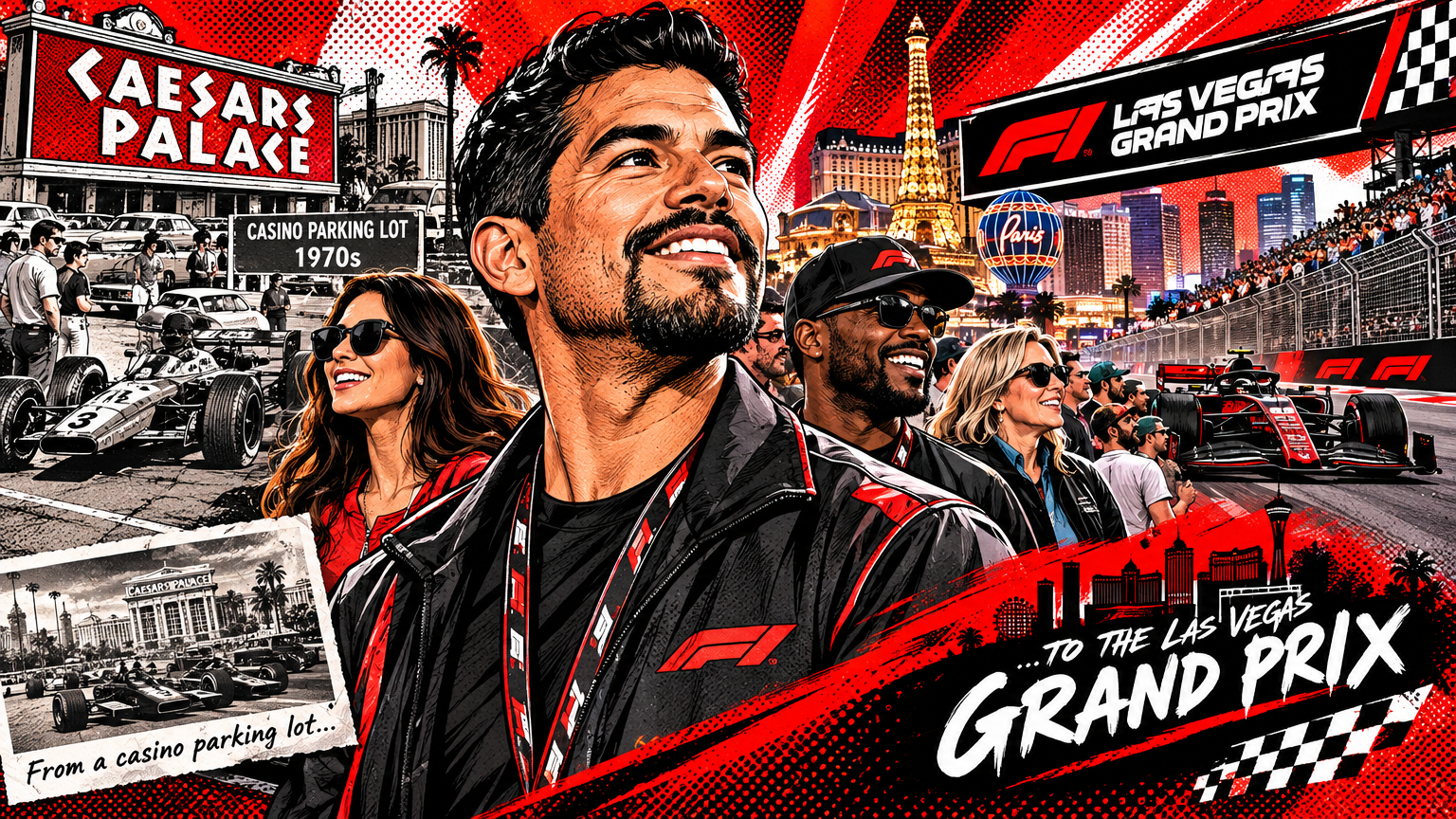
And do not forget the Strip. New arrivals still think driving Las Vegas Boulevard is a fun scenic choice. Locals know it is a trap, especially on a Friday night when one lane is blocked, one tourist is confused, and one guy in a rented slingshot thinks he is in an action movie.
Misses one exit and panics: very possible they just moved to Vegas.
Uses The Strip as a shortcut: rookie behavior with premium consequences.
Acts shocked by I-15 traffic near the resort corridor: that shock will not last long.
They Talk About The Strip Like It’s a Normal Place to Hang Out
This might be the loudest giveaway of all. Californians who are new to Vegas often say things like, “We should go to the Strip tonight,” with the cheerful innocence of people who have not paid $28 to park near chaos yet. Locals hear that and immediately know we are dealing with fresh desert energy.
The Strip is not where most locals live their real lives. We work around it. We dodge it. We visit when family is in town, when a big concert lands, or when somebody scores a comped dinner and suddenly becomes everyone’s best friend. Daily life happens in the neighborhoods. It happens in Henderson patios, Chinatown late-night food runs, and Arts District bars where people actually know where to stand.
Locals treat the Strip like fireworks. Nice from a distance.
That does not mean locals never go. It means we go with purpose. Californians who just arrived still treat it like a giant neighborhood square. They suggest brunch at a casino on a random Sunday as if that is a casual errand. That is not an errand. That is a commitment.
The Strip is not your living room. It is a part-time obstacle course.
Suggests “just popping over” to Caesars: not in this traffic.
Calls a casino restaurant a quick bite: bold choice. Dangerous phrase.
Still takes visiting friends to the Bellagio fountains like it is a secret: sweet, but local status denied.
They Underestimate the Heat in the Funniest Ways
Nothing exposes Californians faster than a Vegas summer. Not because California is cool all year. It is because Vegas heat is different. It is not beach heat. It is not valley heat. It is the kind of heat that makes your steering wheel feel cursed and your flip-flops feel like a legal mistake.
You can spot the new arrivals when they plan a midday walk in July. Or when they say, “At least it is a dry heat,” like they unlocked a secret. Every local has heard this line. Every local has watched that confidence melt by 2:14 p.m. in a Target parking lot.
Dry heat is still heat with a criminal record.
The people who moved to Vegas from California often need one full summer before the city teaches them proper desert behavior. That means shade-first parking. That means windshield covers. That means carrying water like it is a personality trait. That means not touching metal anything in August unless you want to meet your ancestors.
Vegas summer will humble your whole outfit.
Locals can also tell by how people dress. New arrivals wear black in full sun, stand outside too long, and act surprised when 108 degrees feels personal. Meanwhile, longtime Vegas people are doing tactical movement from one air-conditioned zone to the next like Navy SEALs with iced coffee.
Says “It’s not that bad” in June: check back in August.
Leaves groceries in the car while running one more errand: that yogurt is gone.
Touches the seat belt buckle bare-handed: welcome to pain.
They Keep Comparing Everything to California
There is a phase. Every local has seen it. The new person says things like, “In LA, it was more like this,” or “Back in Orange County, we had a spot like that.” It comes up at bars, apartment pools, school pickup lines, and random conversations at Sprouts. Nobody is saying people cannot have a past. But if every sentence sounds like a Yelp review for your old life, locals are going to raise an eyebrow.
Vegas is not your ex. Stop bringing it up.
This is one of the fastest ways Californians identify themselves. They compare housing, tacos, traffic, weather, parking, coffee, and somehow the moonlight. It is almost impressive. But Vegas has its own style. Different pace. Different rules. Different weirdness. If you keep measuring everything against where you came from, you miss what is right in front of you.
The funny part is that most people who moved to Vegas end up changing their tune. The first few months are all comparison. Then they find a late-night pho spot in Chinatown, learn the back roads around Sunset, figure out where to avoid school-zone backups, and suddenly they are defending Vegas like they were born off Decatur.
First they compare. Then they convert.
Mentions California in every conversation: locals noticed by sentence three.
Complains Vegas is not LA: yes. That is one of the selling points.
Acts shocked that locals love it here: now that is funny.
They Are Weirdly Excited About the “Cheap” Stuff
Another dead giveaway. Californians come to Las Vegas and start reacting to prices like they just found hidden treasure. A house with a yard. A dinner bill that does not require emotional recovery. Parking that is free. Gas that feels slightly less insulting. Locals have seen this movie before.
Nothing says “just moved” like being thrilled by a two-car garage.
People who are new to Vegas are often amazed by the space. Bigger apartments. Wider roads. More room in stores. More elbow room in general, at least compared to denser parts of California. They are not wrong. But locals can hear the excitement in the voice. It is the sound of somebody seeing a pantry and treating it like a luxury suite.
Then there is the restaurant reaction. Someone gets a solid meal off Spring Mountain, sees the total, and starts talking like they beat the system. Or they discover a happy hour in the Arts District and act like they unearthed a sacred text. We get it. Vegas can still surprise people.
For Californians, Vegas prices can feel like a jump scare in reverse.
Gas is lower than expected: watch them tell three friends immediately.
They found a house with actual storage: now they are emotional.
Free parking still blows their mind: as it should, honestly.
They Discover Local Vegas in Public Like They Found Buried Treasure
One beautiful thing about newcomers is the moment they realize Las Vegas is more than casinos and pool parties. You can see it happen in real time. They hit Chinatown for the first serious food crawl. They spend a night in the Arts District and realize real humans live here. They find Red Rock, drive through Summerlin, or spend a low-key evening in Henderson and finally understand that locals built a whole life away from the neon circus.
The best part of Vegas is the part tourists skip.
This is when the Californian energy starts to shift. Less Strip talk. More neighborhood loyalty. Suddenly they have opinions about which Smith’s is better. Suddenly they know avoiding certain intersections at certain times is an act of wisdom. Suddenly they are saying things like, “Let’s not take Flamingo right now,” which is one of the most local sentences on Earth.
You become a local the first time you dodge Flamingo on purpose.
There is also the coffee-shop phase, the taco-spot phase, and the “do not tell everyone about this place” phase. That is when locals stop seeing someone as just another California transplant and start seeing them as someone who might actually get the city.
First Chinatown obsession: it starts with one meal and never ends.
First Arts District weekend: now they are posting brick walls and cocktails.
First Red Rock sunset: okay, now Vegas has them.
They Learn Fast or the City Teaches Them Faster
Las Vegas is not hard to love, but it is quick to expose people who do not pay attention. The city teaches lessons at full speed. You learn not to plan too much around Strip traffic. You learn your car needs stronger AC than your apartment. You learn that crossing town at the wrong hour can steal half your evening. And you definitely learn that this place has two very different worlds: the version tourists see and the version locals protect.
Vegas does not do gentle onboarding.
That is why Californians stand out at first. The habits are different. The expectations are different. The rhythm is different. But the city has a way of sanding down the rough edges. After enough summers, enough freeway merges, enough grocery runs, and enough family visits where they become the one giving Strip advice, they start sounding less like newcomers and more like everybody else.
It happens in small ways. They stop saying “the 215” with an accent. They know which casino parking garages are worth the trouble and which are spiritual warfare. They stop suggesting Las Vegas Boulevard for fun. They develop strong opinions about east side versus west side. Then one day, without even noticing, they become the person spotting other people who are new to Vegas.
Everybody is new until Vegas fingerprints your habits.
First summer changes them: by the second one, they move like locals.
First family visit turns them into a tour guide: now the cycle is complete.
First strong opinion about freeway routes: local software installed.
So How Do Locals Know in 10 Seconds?
Because Vegas is a city of tells. We notice who still romanticizes the Strip. We notice who treats dry heat like a cute slogan. We notice who flinches at the spaghetti bowl, who talks about California like it is a personality, and who gets way too excited over a normal-sized driveway. The signs are everywhere. Sometimes funny. Sometimes obvious. Always very Vegas.
You do not spot Californians by hate. You spot them by rhythm.
And look, most locals are not actually mad about it. Las Vegas has always been a city of arrivals. Reinvention lives here. People come to start over, slow down, cash in, or just breathe a little easier. Some moved to Vegas for a house. Some for work. Some for space. Some because California got too expensive, too crowded, or too exhausting. We see all of it.
But locals also know this: the city changes people. Give it one brutal July, three weird freeway merges, a few late nights in Chinatown, one honest sunset at Red Rock, and a little time getting humbled by Flamingo traffic. That fresh California glow starts fading into something else. Something tougher. Smarter. More Vegas.
First they arrive from California. Then Vegas rewrites the script.
That is the real tell. Not the plate. Not the traffic panic. Not the Strip obsession. It is whether they learn the city or keep performing for it. Because in this town, locals can spot an outsider in 10 seconds flat. But we can also spot the exact moment they stop being one.
Vegas knows who is visiting. Vegas also knows who is becoming ours.