What to Know
- The closure changes local customer flow and staff jobs, fast.
- Small businesses will feel the ripple, from suppliers to nearby storefronts.
- How owners respond will set the block's next business pattern.
This is not just about a slice. This is about the block where money, mouths, and midnight shifts meet.
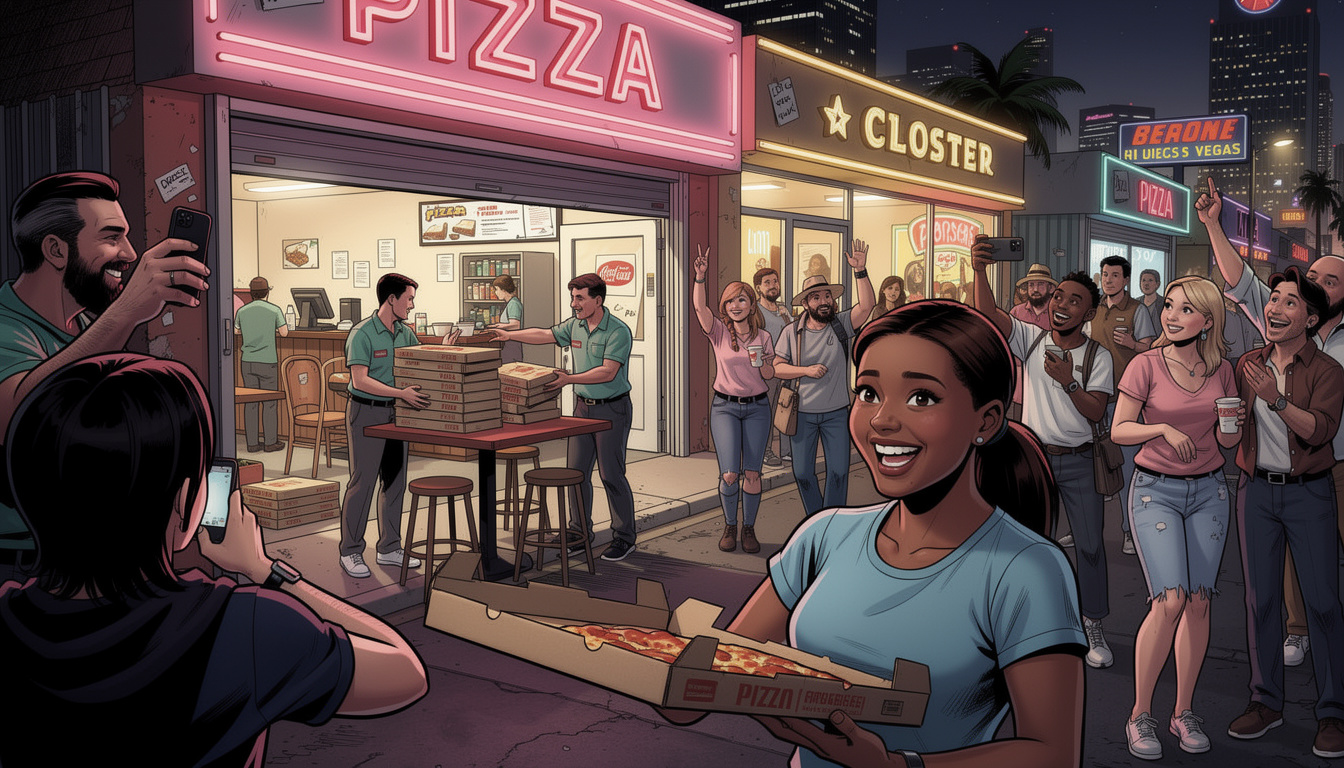
One local pizza shop closing sends a market signal. It rewrites foot traffic and payroll plans.
Read this if you care about who wins and loses when a neighborhood business shutters. This matters for more than pie.
Money First. Then Sympathy.
When a single shop closes, the first thing you notice is the cash gap. Rent still needs to be paid on the nearby strip of storefronts. Suppliers still have invoices. Payroll disappears like someone turned off a light.
That hole gets felt beyond the counter. Landlords, vendors, and shift workers all adjust their plans. The math changes, even if we do not see the receipts.
Markets notice small moves. They read closures as information. That's the point.
This is not sentimental. This is about runway, margins, and who has it. Winners react. Losers explain.
Short Pause. Big Signal.
A closed door is more than empty glass. It is a message about demand and costs.
What This Means for Other Local Businesses
A vacancy is a test. Competing restaurants watch who fills the gap, and how fast. Neighboring retailers watch customer patterns, and they adjust inventory and hours.
Every closure nudges the local commercial market. Landlords, staff, and adjacent owners reprice risk in real time.
Small shifts add up quickly. One less lunch rush changes how a lunchtime worker budgets their week. One fewer late-night order makes a delivery driver change routes.
People talk in parking lots. Business decisions get made on those conversations.
- Traffic shifts. A closed store reroutes foot and car traffic. That matters more than you think.
- Staff churn. Employees either find new work or face income gaps. That affects local spending.
- Vendor strain. Small suppliers lose orders. They tighten terms or chase new accounts.
A Minute to Reboot
Vacancy creates chance. New concepts watch, ready to move faster than bureaucracy.
What Owners Should Know, From One Operator to Another
If you run a shop, this is your operating memo: preserve cash, keep community ties, and read foot traffic like a weather report. The next storm matters more than the last one.
Adaptive owners change menus, hours, and staffing fast. They squeeze costs where they must, and invest where customers still show up.
- Keep the team close. Payroll is morale. Morale is service. Service keeps customers coming back.
- Negotiate smart. Lease terms and supplier deals are where you buy time. Time buys options.
- Read customers. If crowds shift, match your hours to demand. Efficiency wins small markets.
Opportunity for New Players
A closed storefront is inventory. Investors and entrepreneurs see an opening. They also sense risk. That tension creates deals or delays.
If someone moves in, they will want a faster break-even and a leaner payroll. That pushes innovation, or it pushes more closures.
- Faster concepts. Smaller menus, longer hours, lower payroll. That is the playbook buyers watch for.
- Community-backed ideas. Pop-ups and co-ops can test demand without long leases.
- Flexible pop-ins. Temporary concepts reduce risk while signaling new demand.
Short Truth.
Empty spaces are not tragedies. They are market data. Read them carefully.
Why Vegas Cares
Neighborhood businesses are the city's muscle. They hire local people, buy local supplies, and keep corners alive. When a shop closes, those threads fray.
How North Las Vegas adapts to that loss shows the city's resilience. Fast pivots, landlord flexibility, and customer loyalty decide who thrives next.
Customers and the Neighborhood Rhythm
Local habits change slowly, then all at once. If a favorite spot disappears, people explore new routes and form new habits. That rewrites who shops where.
New routines create winners and losers on the same block. That is how neighborhoods evolve.
- Habit migration. One closed door can reroute routines within weeks.
- Loyalty pays off. Shops that keep relationships with customers keep revenue steady.
- Word of mouth. In close communities, a single recommendation changes several customers' nights.
This closure is a market memo. It tells operators, landlords, and customers who needs to change. Vegas does not mourn long. It repositions, reinvests, and moves on. The block will be busier or quieter because of that decision. That is the fact we can act on: the future is decided by who moves first.