Station Casinos Is Building a Tavern Network, Not a Fuel Business
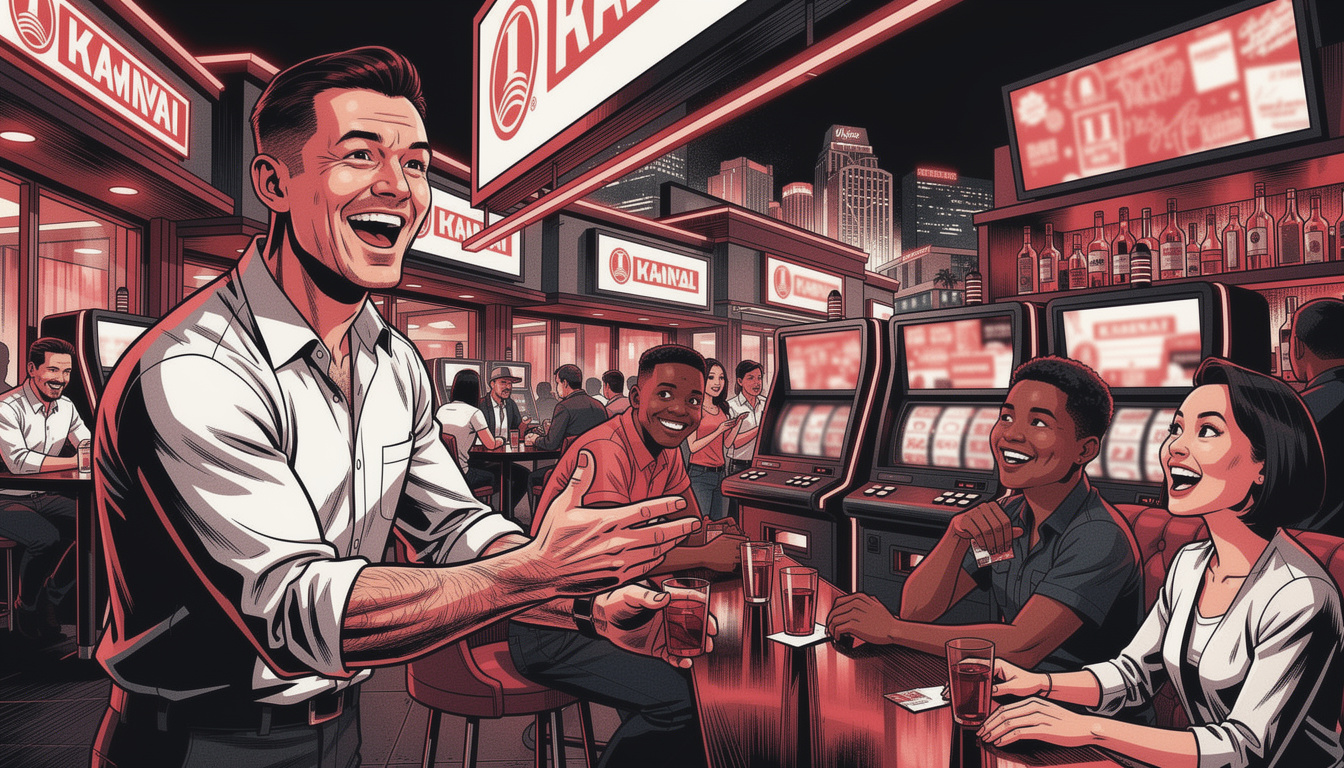
Station Casinos has turned Seventy Six into a five-location Las Vegas Valley tavern brand in less than two years. That is the expansion story. This is not a chain of gas stations or convenience stores. It is a neighborhood gaming play built around food, drinks, sports viewing and 15 bartop machines per location.
The rollout began in North Las Vegas in October 2024. It reached a fifth location in southwest Las Vegas in June 2026. In between, Station Casinos added another North Las Vegas tavern, moved into Henderson and planted a flag along the West Tropicana corridor.
Follow the money and the position becomes clear. A locals casino takes major capital, a large site and a long development runway. A neighborhood tavern gives Station Casinos a smaller format that can enter more trade areas and put the company’s hospitality and gaming operation closer to where customers live.
Seventy Six Taverns describes the concept as an Americana-style neighborhood venue owned and operated by Station Casinos. Its standard package includes a restaurant and bar, sports viewing, around-the-clock service and a dedicated rewards program. The brand name references 1976, the year Station Casinos was founded.
No public investment total or location-level revenue has been announced for the rollout. That matters. The strategic logic is visible, but the financial contribution remains private. Seventy Six should be read as a growing small-property platform, not yet as a separately reported earnings engine.
How the Five-Location Rollout Took Shape
North Las Vegas Established the Template
The first Seventy Six opened at 6345 N. Lamb Boulevard, near Lamb Boulevard and Centennial Parkway, in October 2024. Station Casinos introduced it as a 24-hour tavern with 15 bartop gaming machines, a full food and beverage operation and extensive sports viewing.
The company was explicit about its ambition from the beginning. Its original Seventy Six announcement said additional locations were planned after the North Lamb debut. The format offered a repeatable operating package: compact gaming, a scratch kitchen, cocktails, beer and enough television coverage to compete for game-day traffic.
The second location opened Jan. 23, 2025, at 7225 Aliante Parkway near the 215 Beltway. That move doubled down on North Las Vegas rather than immediately stretching the concept across the valley. It was a disciplined first expansion. Station Casinos established the operating model in two northern growth areas before pushing into other jurisdictions.
Henderson Gave the Brand a Third Market
Seventy Six entered Henderson with its third tavern at 1120 Vitality Drive in Union Village. The location opened Jan. 22, 2026, according to Station Casinos’ opening announcement.
The Union Village property carries the same core economics as the original concept: 15 bartop games, 24-hour food and beverage service, convenient parking and a Seventy Six rewards program. It also widened the map. Station Casinos was no longer testing a North Las Vegas brand. It was deploying a valley-wide tavern platform.
That distinction has weight. Henderson already has a deep Station Casinos presence through Green Valley Ranch, Sunset Station and smaller Wildfire properties. Seventy Six gives the company another format for serving locals without attempting to replicate a full casino resort.
Two Southwest Openings Accelerated the Expansion
The fourth Seventy Six opened April 23, 2026, near West Tropicana Avenue and Grand Canyon Drive. The location took over the former site of The Den LV, according to the Las Vegas Review-Journal. The conversion placed the brand in an established southwest neighborhood rather than on a casino campus.
Station Casinos followed with its fifth tavern at 9660 S. Fort Apache Road, near Fort Apache Road and Gomer Road. The company announced that location as open on June 5, 2026. The Fort Apache opening announcement identified it as the fifth Seventy Six in the valley and listed burgers, sandwiches, sliders, salads, cocktails, beer, sports viewing and 15 bartop gaming machines among its offerings.
That southwest sequence is the strongest market signal in the rollout. Two openings within roughly six weeks gave Seventy Six a tighter position in one of the valley’s most active residential corridors. Station Casinos did not scatter the concept randomly. It built clusters in North Las Vegas and the southwest, with Henderson serving as the eastern anchor.
Why the Small-Property Strategy Matters
The power metric is frequency. A resort casino competes for longer visits and larger entertainment budgets. A neighborhood tavern can compete for repeat traffic tied to meals, drinks, sports and gaming. That creates more customer touchpoints without requiring a hotel tower, a massive casino floor or resort-scale infrastructure.
The 15-machine count also defines the model. Seventy Six is not trying to disguise a locals casino as a bar. It is operating within the familiar Southern Nevada tavern format, then applying Station Casinos’ food, service, gaming and marketing experience to that smaller box.
Brand control is another advantage. The company controls the concept, menu direction, gaming experience and rewards structure. That gives Station Casinos direct ownership of the customer relationship instead of relying on a third-party tavern partner. The Seventy Six VIP program is distinct from a simple fuel or retail loyalty scheme and is designed around play, prizes and promotions.
The format also gives Station Casinos real estate flexibility. The first locations show that Seventy Six can operate in new construction, master-planned developments and converted neighborhood spaces. That range expands the deal pipeline. The company can evaluate corners and commercial sites that would never support one of its major casino projects.
What has not been disclosed is equally important. Station Casinos has not publicly provided construction costs, sales figures, gaming revenue or profitability for individual Seventy Six locations. It has also not announced a final target for the number of taverns it intends to operate. The five open properties confirm expansion. They do not establish the eventual ceiling.
What Comes Next for Seventy Six
The next move will show whether Station Casinos plans to keep clustering locations or enter additional underserved parts of the valley. The company’s existing progression offers a clear playbook: identify a locals-heavy trade area, install a standardized food-and-gaming package and operate around the clock.
For customers, the practical takeaway is straightforward. Seventy Six now has locations at North Lamb, Aliante, Union Village, West Tropicana and Fort Apache. These are taverns, not service stations, and their central offer is 24-hour dining, drinks, sports viewing and restricted gaming.
For the market, the larger takeaway is strategic. Station Casinos has spent decades building leverage with Las Vegas locals. Seventy Six extends that position beyond the resort floor and into a format with a smaller footprint and more site flexibility.
Five locations do not make Seventy Six a dominant valley chain. They do prove that Station Casinos has moved beyond a one-location experiment. The concept now spans three cities and multiple growth corridors. That is how a platform gets built in Las Vegas: establish the model, control the customer and take the best corners before the competition sees the board.