The Money Move Is Local, Not Tourist
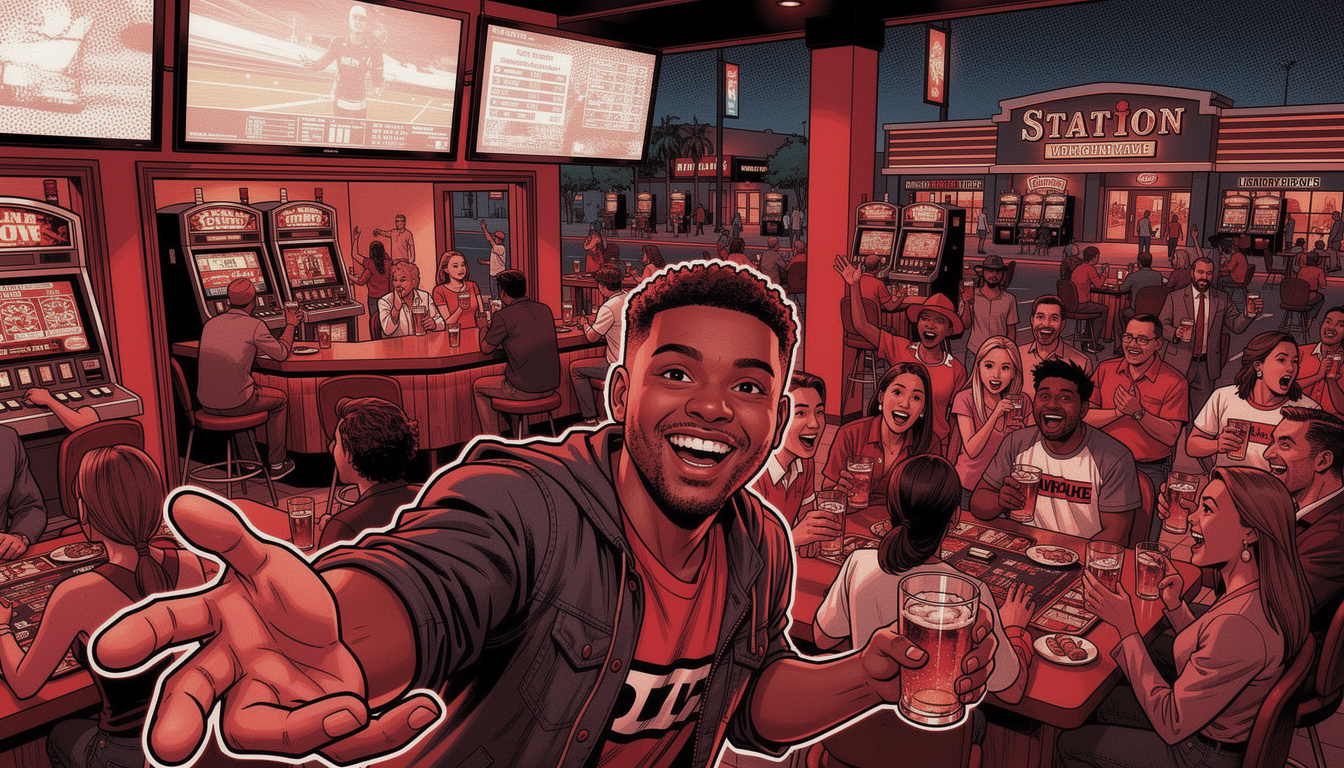
Follow the money, and the strategy comes into focus fast. Station Casinos is expanding a neighborhood tavern platform designed to capture repeat business from Las Vegas residents. The company is not chasing convention delegates with another hotel tower. It is putting food, drinks, sports viewing and gaming closer to where locals live.
The Seventy Six Taverns brand is built around that smaller footprint. Its West Tropicana location at 9837 W. Tropicana Ave. operates 24 hours a day, according to Station Casinos. Another location at Fort Apache Road and Gomer Road opened in June 2026, giving the brand five neighborhood taverns across the Las Vegas Valley at that time.
That is the business play. A full resort requires major land, years of approvals, deep construction capital and a large workforce. A tavern offers a shorter runway and a tighter operating model. It can enter a growing residential corridor, establish loyalty and generate repeat visits without carrying the economics of a hotel-casino.
Seventy Six also gives Station Casinos another way to extend its local customer network between major properties. The brand’s name references 1976, the year Station Casinos was founded. The format carries familiar company strengths into a smaller package: bartop gaming, all-day food, cocktails and sports.
The Numbers That Define the Format
Station describes Seventy Six as an Americana-style tavern with handcrafted food, entertainment and gaming. The brand promotes 15 gaming machines, 24-hour dining and twice-daily happy hours. Those are not resort metrics. They are frequency metrics.
A neighborhood operation wins by creating reasons to return. Breakfast. A game after work. A late dinner. Football on the weekend. Gaming without driving to a major casino floor. Each occasion adds another revenue channel and another opportunity to deepen customer loyalty.
That model also spreads risk. Instead of relying on one massive destination, Station can place multiple smaller properties near residential growth and established commuter routes. Each location becomes a compact outpost for the larger brand.
Why West Tropicana Matters
West Tropicana Avenue is an important east-west route through the southwest valley. The Seventy Six location near Grand Canyon Drive is positioned far west of Interstate 15 and the Strip resort core. Its customer base is therefore fundamentally different from the audience at Mandalay Bay, Luxor or Excalibur.
This location competes for residents, commuters and nearby workers. Convenience is the leverage. A customer does not need to navigate a resort garage, cross a casino floor or pay Strip prices to watch a game and order dinner. The location can pull a visit from an ordinary trip through the neighborhood.
That distinction matters for surrounding businesses. The tavern adds another 24-hour destination to the Tropicana corridor, creating activity beyond conventional lunch and dinner periods. It can draw customers who combine stops for fuel, groceries, personal services or takeout. It can also intensify competition for independent bars, gaming taverns and casual restaurants fighting for the same local wallet.
Who Gains From the Added Traffic
Nearby service businesses stand to gain when a new anchor increases the number of trips through a commercial corridor. More activity can support shared visibility and extend the hours when customers are moving through the area.
But increased traffic does not lift every operator equally. Seventy Six enters with Station Casinos’ marketing reach, gaming loyalty infrastructure and established food-and-beverage operation behind it. Independent competitors face a company with scale, customer data and cross-property recognition.
That is the pressure point. A local tavern competing only on slot machines and beer has a weak defensive position. Operators with distinctive food, sharper service or a strong neighborhood identity have more room to hold their ground. The new market signal is clear: average will not be enough.
The I-15 Site Is a Separate Development Play
Station Casinos also controls a major tract near Interstate 15 and Tropicana Avenue, but that property is separate from the Seventy Six tavern on West Tropicana.
In 2022, Red Rock Resorts announced the closure and demolition of the Wild Wild West Gambling Hall and Hotel. The former casino occupied about 20 acres within what the company described as an almost 100-acre land assemblage. Station said the demolition would prepare the property for future redevelopment, according to the company announcement reported by KTNV.
That announcement did not establish a Seventy Six resort, a construction budget, a hotel-room count or an opening date for the I-15 land. The site remains strategically significant because of its scale and proximity to the Strip corridor, but any eventual redevelopment must be evaluated on its own plans, approvals, financing and timeline.
The distinction changes the traffic analysis. A major resort at I-15 and Tropicana would create regional transportation consequences involving freeway ramps, event traffic, employees, deliveries and visitor arrivals. A neighborhood tavern at Tropicana and Grand Canyon works at a different scale. Its impact is concentrated around repeat local trips and competition within the surrounding commercial market.
What Comes Next for Seventy Six
The operating question is not whether one tavern can transform southwest Las Vegas. It cannot. The strategic question is whether Station Casinos can assemble enough well-positioned locations to create a durable neighborhood network.
Five locations establish a platform. Additional openings would test how far the company can extend the concept without weakening sales at existing taverns or other Station properties. Site selection will carry the deal. The strongest locations will combine residential density, easy access, visible frontage and limited direct competition.
Watch the operating signals. New addresses will show where Station sees household growth and unmet demand. Hours, menu changes and promotions will show how the brand is pursuing repeat visits. The pace of expansion will show whether management views Seventy Six as a supporting concept or a serious growth channel.
This is a smaller bet than a resort, but it is not a small strategy. Station Casinos is using compact properties to claim more occasions, more neighborhoods and more local spending. In Las Vegas, market power is built one customer habit at a time. Seventy Six is designed to own that habit before the competition sees the move coming.