What to Know
- CCSD students spoke out in 2023 about broken school air conditioning during extreme heat waves.
- Youth activists urged Clark County to adopt a stronger heat plan focused on trees, shade, and safer transit stops.
- By April 2024, county officials were advancing a regional plan with more tree canopy, cooling centers, and shade at bus stops.
The desert isn't waiting for grown-ups to catch up.
Students are.
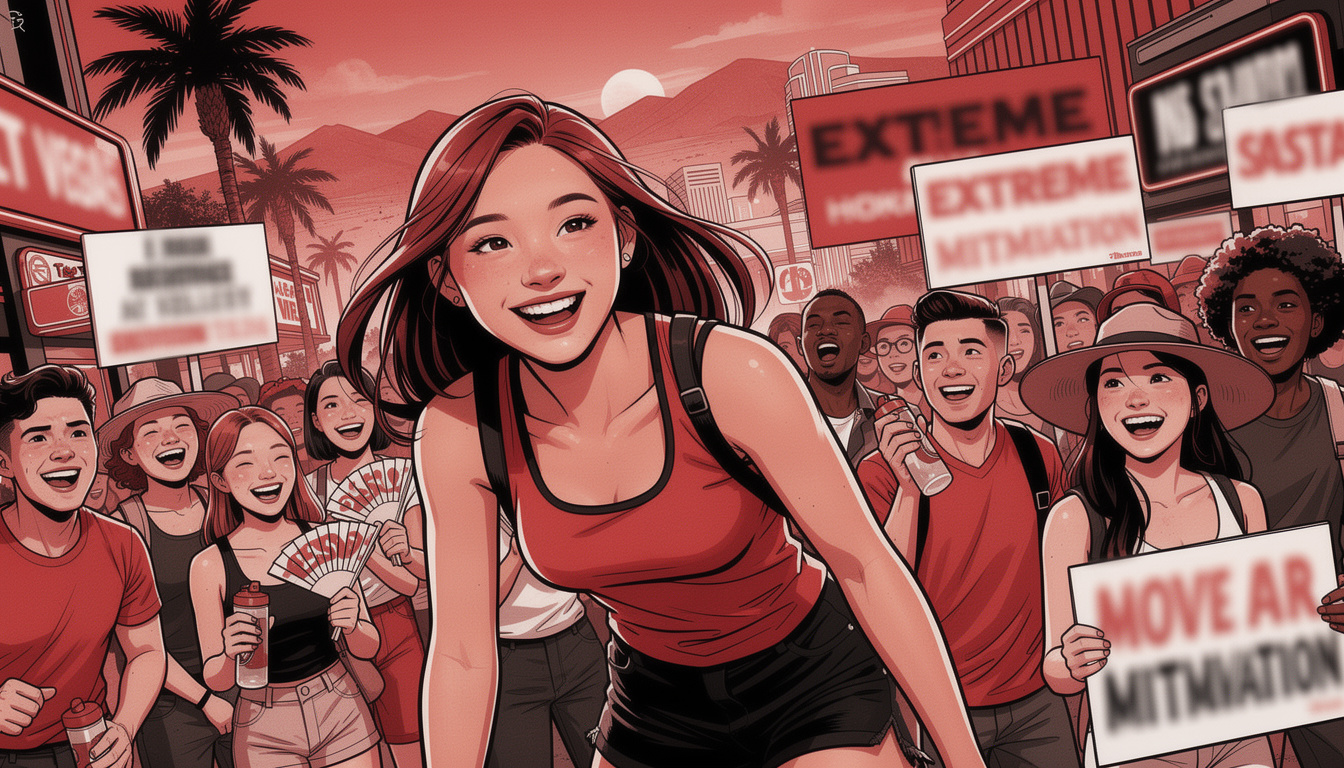
Across the Las Vegas Valley, young people have been pushing officials to treat extreme heat like the real danger it is. Not as a summer shrug. Not as background noise.
And honestly, they shouldn't have to beg for shade, working AC, or a safer walk to school. That's the part that sticks.
Kids Saw the Problem First. Adults Got the Memo Later.
The most Vegas part of this story isn't the heat. It's that students had to become the adults in the room.
In reporting from KTNV, students across the Clark County School District voiced frustration over broken AC units during extreme heat waves. That's not a niche complaint. That's a giant red warning light.
Everybody in this valley knows the feeling. You step outside, the air hits like a hair dryer, and suddenly even the parking lot feels personal.
Now picture dealing with that around a school day, with classrooms or campuses struggling to stay cool. That's when "toughing it out" stops sounding brave and starts sounding lazy.
The desert does not hand out participation trophies.
Students weren't just complaining, either. They were pushing for comprehensive heat mitigation plans to protect vulnerable neighborhoods and campuses, according to KTNV. That's the key point. They weren't asking for magic. They were asking for planning.
And planning matters in a place where heat isn't a surprise guest. It lives here.
The Sidewalk Is Part of the School Day
Some people talk about heat like it begins at the classroom door. It doesn't.
For a lot of students, the hard part starts before first period.
The Bus Stop Test Says Everything
If you want to know whether a city takes heat seriously, don't start with a press release. Start at the bus stop.
You can learn a lot from a patch of missing shade. Locals already know.
According to 8 News Now, youth climate groups urged the Clark County Commission to adopt an aggressive heat mitigation plan. Their focus was clear: protect pedestrians and students who rely on public transportation without enough shade.
That's not some abstract climate argument. That's a daily routine. Backpacks, crosswalks, long waits, and a sun that doesn't care what time school starts.
No shade, no mercy.
The same push showed up in reporting from Nevada Current. Students called for more trees and shade structures at bus stops after a summer of record-breaking temperatures highlighted the dangers of the urban heat island effect.
That phrase can sound academic until you live it. One block feels bad. The next block feels worse. Concrete and asphalt turn a normal walk into a bad decision.
Newcomers still act surprised by this. Locals know which side of the street has mercy.
- Trees matter because they cool streets where students actually walk. Not just places that look nice in a brochure.
- Shade structures at transit stops matter because waiting for the bus shouldn't feel like a dare.
- Pedestrian protection matters because a school trip isn't only about the campus. It's the whole route.
Here's the blunt version: if a student has to plan their morning around where the shadow falls, the system isn't finished.
The Heat Isn't Equal
This is where the conversation gets real. Some neighborhoods get hit harder.
And students have been saying that out loud for a while now.
Heat Hits Hardest Where the City Planned Weakest
One of the smartest parts of this student-led push is that it isn't only about temperature. It's about where that temperature lands.
According to KTNV, youth advocates called for protections for vulnerable neighborhoods and campuses. That tells you everything about what they're seeing on the ground.
Some parts of the valley hold heat worse than others. UNLV researchers and students helped map urban heat islands across the valley in 2022, gathering data meant to support targeted solutions.
That's the difference between talking tough and doing the homework. They mapped the problem.
Hot is one thing. Uneven hot is a policy choice.
The UNLV work pointed toward targeted strategies like cool roofs, reflective pavements, and urban forestry in the hottest neighborhoods. Not random fixes. Focused ones.
That's what makes the student pressure so effective. It's emotional because it should be, but it isn't fuzzy. It's backed by real observations, real routes, and real data.
- Cool roofs help lower heat absorbed by buildings. Boring name. Useful idea.
- Reflective pavement can reduce how much heat streets and surfaces hold. The sidewalk shouldn't win every round.
- Urban forestry means more tree canopy where the valley runs hottest. Shade is infrastructure. Period.
And yes, this all sounds obvious. That's because some of it is. Vegas has never lacked sunlight. It's lacked enough protection from it.
Then the County Moved
Pressure works. Sometimes slower than it should, but it works.
Students kept talking. Officials eventually had to answer.
The Region Is Finally Catching Up
By April 2024, after months of pressure from local high school students and environmental justice advocates, Clark County officials were advancing a comprehensive regional heat mitigation plan, according to the Las Vegas Review-Journal.
Good. About time.
The plan aims to increase tree canopy cover, build more cooling centers, and mandate shade structures at transit stops. Read that list again and notice something: every item connects to normal life.
That's why this issue has traction. It isn't theoretical. It's where you wait, walk, study, and recover.
This is what public policy looks like when it finally meets the pavement.
What's striking here is the order of events. Students and community advocates pushed first. Government advanced a broader plan after.
That should make adults a little uncomfortable. It should also make them listen harder.
This is one of those Vegas stories where the youngest people in the room looked around and said, correctly, that the obvious problem was still being treated like background scenery. Casinos know how to blast cold air. Kids are still fighting for working systems and shade on the way to school. That's a rough contrast.
Why Vegas Cares
This story lands hard here because Las Vegas runs on movement. Students walk, wait, transfer, and cross wide roads under punishing sun, especially when they rely on buses. Anybody who's stood outside too long near a major street knows the valley can feel less like air and more like an open oven door.
It's also deeply local because heat in this city isn't spread evenly. The push for tree canopy, cooling centers, shade structures, cool roofs, and reflective pavement is really a push to make everyday Vegas life less punishing in the places that need help most. That's not fluff. That's city design catching up to desert reality.
This Shouldn't Be a Radical Ask
Let's say the quiet part out loud. Asking for functioning AC, more trees, cooling centers, and shaded bus stops in Southern Nevada isn't extreme.
The heat is extreme. The response shouldn't be.
Students have pushed this issue with more clarity than plenty of elected speeches ever manage. They connected broken ACs, dangerous walks, exposed transit stops, and hotter neighborhoods into one simple point: heat policy is school policy, transit policy, and public health policy all at once.
That's not ideology. That's Tuesday in August.
If the asphalt can fry your patience before 9 a.m., the city needs a better plan.
And no, this isn't just about one school or one bad week. The reporting across these sources shows a regional problem and a regional demand for action. That matters because patchwork fixes love headlines and hate follow-through.
Students are asking for something more annoying and more useful. Systems.
The students were right to push, and the valley should keep listening. In Las Vegas, shade isn't a luxury item. It's basic equipment.