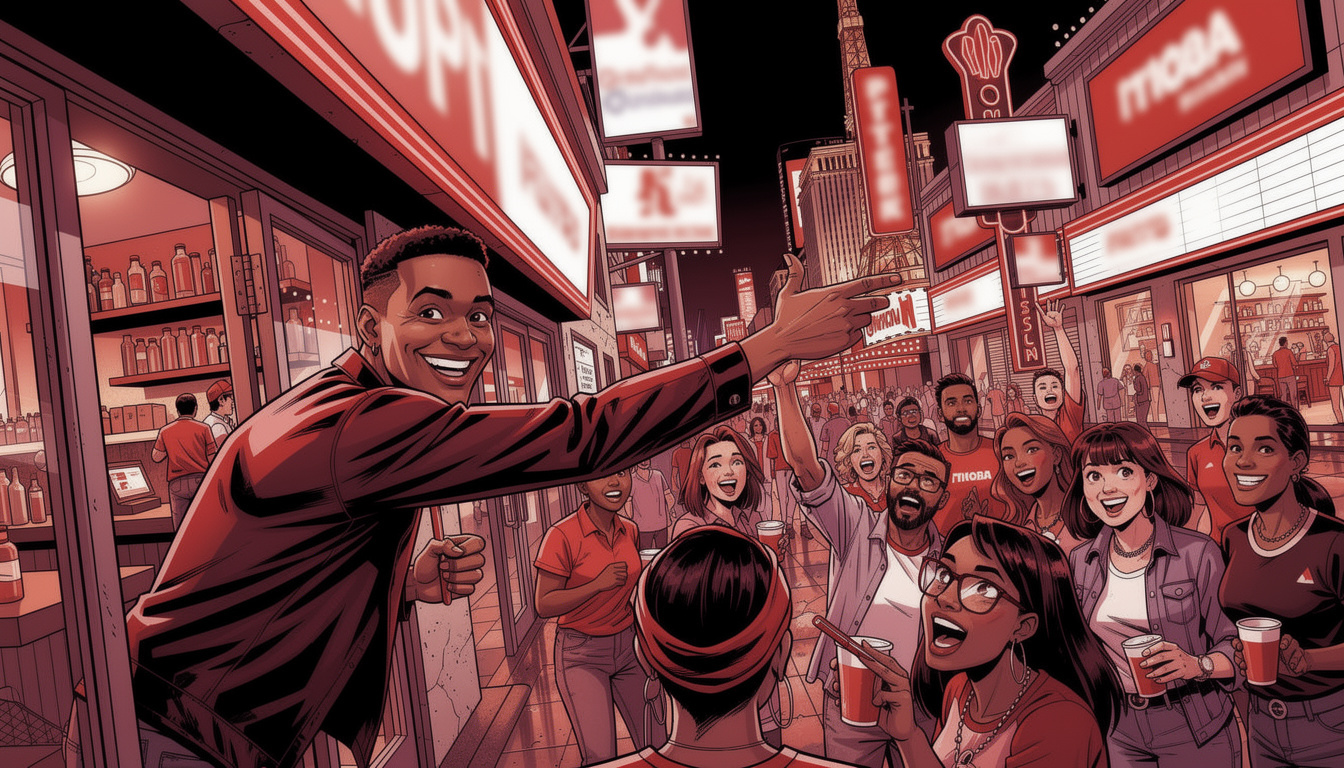
The Remaining 2026 Calendar Is a Revenue Map
Follow the money. For a small business on or near the Strip, the remaining 2026 opportunity is not one mythical blockbuster weekend. It is the steady compression of conventions, concerts, football, trade shows, and year-end entertainment into a market where visitors arrive ready to spend.
The calendar is public. The strategic advantage comes from reading it better than the competition.
The Las Vegas Convention and Visitors Authority event calendar tracks major conventions and events at large venues, while its full convention calendar provides a broader view of meetings coming to the destination. One verified anchor is the 2026 SEMA Show, scheduled for Nov. 3 through 6 at the Las Vegas Convention Center. That is a defined demand window with a recognizable customer profile, not a vague tourism forecast.
The first move is simple. Build a rolling 90-day revenue plan around events that actually match your operation. A print shop, staffing firm, caterer, transportation provider, retailer, restaurant, and nightlife operator should not chase the same buyer. The calendar is shared. The profit strategy is not.
Choose Events by Customer Fit, Not Headline Size
Start with three numbers for every event: expected sales, direct operating cost, and contribution margin. Then add the operational burden. If an event requires double labor, specialized inventory, security, or extended hours, gross sales alone tell you nothing.
A business serving corporate buyers should prioritize trade shows and association meetings. Restaurants and bars should look at venue proximity, event hours, broadcast schedules, and the flow of attendees after closing time. Retailers should identify events whose audience already buys their category. Service companies should pursue organizers, exhibitors, production vendors, and hospitality groups before attendees ever board a plane.
Do not build the plan around every date on the board. Select the events where your location, product, and margin structure create leverage. That is how a small operator competes with a resort balance sheet.
Turn Your Strip Footprint Into a Higher-Yield Asset
Strip-area space carries a premium because attention is scarce and visitor volume is concentrated. During an event surge, every usable part of that footprint deserves a job. The front window sells. The host stand captures leads. The patio creates premium inventory. An underused room becomes a private-event product.
That does not mean placing a tent in a parking lot and sending an invoice. Temporary activations can trigger zoning, business licensing, fire, health, liquor, traffic, or venue requirements. Clark County describes temporary-event approval as a multistep process that can involve several departments and outside agencies. The county advises applicants to submit temporary-event applications no later than 60 days before an event.
A Strip mailing address also does not settle the jurisdiction question. Confirm the property through the county’s jurisdiction locator, secure written landlord approval, and identify every required permit before spending on equipment or advertising. If food, alcohol, outdoor structures, amplified sound, public rights of way, or large crowds enter the plan, the approval chain grows.
Sell Packages, Not Just Square Feet
Raw space is a commodity. A complete operating package commands a stronger price.
- For restaurants: Offer fixed-menu group dining, prepaid minimums, private rooms, and timed reservations that match convention schedules.
- For retailers: Build event-relevant bundles, preorder pickup, limited runs, and corporate gifting options without using protected event marks without authorization.
- For service providers: Package staffing, printing, delivery, setup, breakdown, and emergency response into one proposal.
- For landlords and tenants: Put temporary use, insurance, utilities, security, cleanup, signage, and revenue-sharing terms in writing.
The winning offer removes friction for the buyer. Convenience carries margin in Las Vegas because time is the scarce asset.
Get Into the Procurement Pipeline
Walk-in traffic is the visible money. Contract revenue is the deeper pool.
Event organizers, exhibitors, destination management companies, agencies, and hospitality operators purchase local labor, transportation, graphics, floral work, technical support, catering, entertainment, security, and last-mile logistics. A small business that waits for a social media message has surrendered the strongest position.
The LVCVA uses the Nevada Gov eMarketplace for its general bid opportunities, and suppliers must register to be considered. Vegas Means Business also maintains a directory of Las Vegas vendors and suppliers used by meeting professionals. Those channels do not guarantee a contract. They establish visibility and access.
Build a procurement-ready file now. Include licenses, insurance certificates, tax forms, service territory, capacity, response times, references, pricing structure, and professional photography. Make the package easy to forward. Buyers operating on compressed schedules reward vendors who remove uncertainty.
Partnerships add another layer of leverage. A printer can align with an installer. A caterer can team with a staffing company. A boutique retailer can work with a hotel concierge or event planner where policies permit. The point is not networking for its own sake. The point is assembling enough capacity to win work that would be too large for one operator.
Protect Margin During Demand Surges
Event volume exposes weak systems fast. Too little inventory kills sales. Too much perishable inventory destroys margin. Unplanned overtime eats the weekend. A promotion without reservation controls fills the room with low-value transactions.
Build a Surge Plan With Hard Triggers
Use historical sales by day and hour as the baseline. Then create low, target, and high demand scenarios for each priority event. Tie purchasing, scheduling, and marketing decisions to reservation counts, deposits, advance orders, and confirmed contracts rather than instinct.
- Labor: Cross-train the core team and establish backup staffing before publishing extended hours.
- Inventory: Identify long-lead items, supplier cutoffs, storage limits, and substitution options.
- Pricing: Use transparent packages, minimum spends, deposits, and cancellation terms. Do not surprise customers with unexplained charges.
- Operations: Set order limits, pickup windows, delivery zones, and escalation authority before the rush begins.
- Cash flow: Collect deposits where appropriate and calculate the working capital required before committing to a large activation.
A blanket instruction to stock a fixed percentage above normal sales is not strategy. Every category has different spoilage risk, lead time, storage cost, and supplier flexibility. Model the downside before buying the upside.
Win the Customer Before the Plane Lands
Visitors search, compare, reserve, and buy before arrival. The transaction starts in a browser, not on Las Vegas Boulevard.
Keep business listings accurate. Publish event-period hours only after staffing is secured. Create landing pages for legitimate products tied to customer intent, such as group dining, convention printing, private transportation, or same-day delivery near a specific venue. Avoid implying an official relationship with an event unless one exists.
Paid search can work when the offer has enough margin to absorb customer acquisition cost. Track calls, reservations, form submissions, and completed sales. A crowded keyword with no conversion data is not marketing. It is a donation to an advertising platform.
Past customers remain the cheapest pipeline. Segment them by event, purchase, and visit date. Send useful offers with a direct booking path. A convention customer who already trusts the operation is more valuable than a broad audience with no buying signal.
The Power Move Is Disciplined Execution
Las Vegas does not hand event revenue to every business with a Strip address. It rewards operators who know the calendar, control capacity, clear permits, reach buyers early, and protect margin when demand accelerates.
The remaining 2026 calendar still carries real runway. SEMA and the broader convention, sports, and entertainment schedule create multiple shots at revenue, but only for businesses positioned to execute. Build around verified dates. Register for the right procurement channels. Package the footprint. Lock the operating plan.
Vegas will keep producing the crowds. The businesses that convert those crowds into durable cash flow will shape the next generation of the Strip economy.