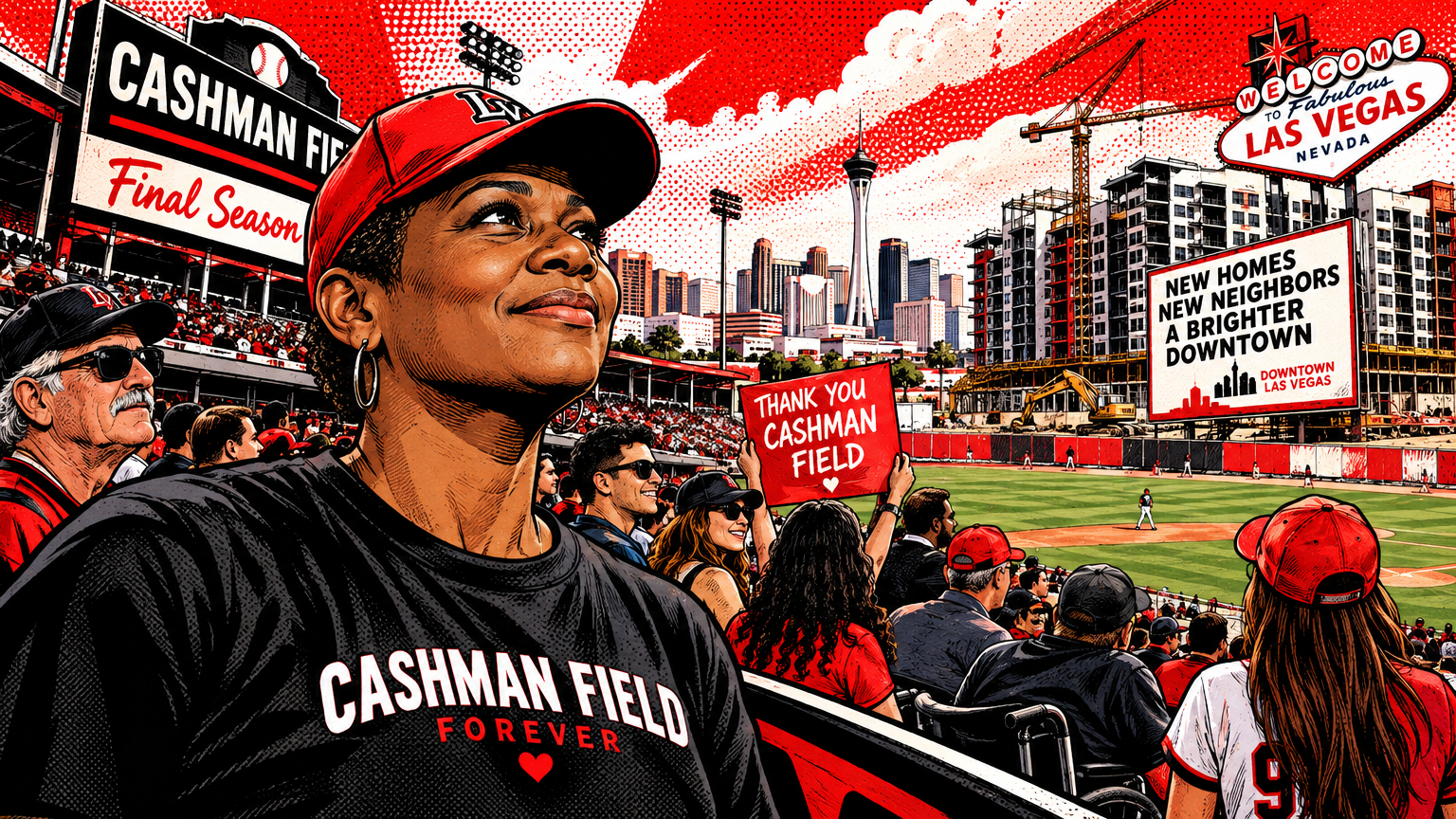
The Las Vegas Strip, downtown and fast-growing parts of the valley have the ingredients that make a local story visible: major tourism activity, public decisions and development that can reshape how people live and get around. Those factors help explain why these places loom large in conversations about Las Vegas. They do not show that a few neighborhoods account for a measured share of local headlines.
There is no single map line for this story. The Strip, downtown, Summerlin and the southwest are not interchangeable places, and they do not all answer to the same government. That matters when a headline moves from a proposal to a permit, a public vote or construction. In Las Vegas, the address is more than a pin on a map. It can identify who makes the call.
What makes some places especially visible
Tourism puts the Strip in a wider spotlight
The resort corridor is a major part of the region’s visitor economy. The Las Vegas Convention and Visitors Authority’s tourism research tracks visitor volume, hotel activity, conventions and economic measures. That scale gives Strip-related changes stakes beyond the blocks where they happen. A resort, event or transportation story can matter to workers, visitors and businesses across the valley.
Visibility is not the same as importance to every resident. A story about tourism may draw a broad audience, while a neighborhood issue involving housing, roads or public services can have a more direct effect on the people who live nearby. Both are part of the local picture.
Downtown combines civic decisions and redevelopment
Downtown has a different kind of prominence. It is a civic center, and the city of Las Vegas has a redevelopment agency that works with property owners, developers and the community on designated areas. The city describes its agency’s work as revitalizing downtown and nearby commercial districts, recruiting businesses and supporting job creation. Its redevelopment information also shows that the agency’s boundaries extend beyond the downtown core.
That makes downtown a natural setting for stories about city policy and change. But not every project described as “Las Vegas” falls under city of Las Vegas authority. Familiar place names can make a story easier to locate; they do not, by themselves, identify the agency responsible.
Big developments can also produce several news moments: a proposal, public review, a decision, construction and eventually an opening. Each is a separate milestone, and none guarantees the next. A rendering is not a finished project. An announcement is not a permit.
One valley, many jurisdictions
The valley includes incorporated cities and unincorporated communities. The city of Las Vegas publishes a jurisdiction map that distinguishes its boundaries from places including Sunrise Manor, Winchester, Spring Valley and Paradise. Clark County’s Las Vegas Valley boundaries map likewise lays out the region’s separate jurisdictions.
That distinction has practical consequences. Depending on the address, a decision may belong to a city, the county or another public authority. Residents trying to follow a project should look for the agency named in the public notice, agenda or permit record, not rely only on a broad area label.
Summerlin offers another reminder that a well-known name does not automatically mean a separate city government. Its official history describes it as a master-planned community on the western edge of the valley. The Summerlin history page traces its development and community milestones. Stories about new homes, services or roads there still require attention to the specific location and the public bodies involved.
What the familiar map can leave out
Tourism and major construction are easy to visualize. Everyday pressures are less likely to arrive with a dramatic skyline shot or a single project name. Housing costs, school needs, traffic safety, small businesses and access to services affect communities across the valley, including places far from the resort corridor.
That does not mean a visible project is more important than a slower-moving neighborhood concern. It means readers should look beyond the headline’s location. Who is making the decision? Which residents stand to benefit? Who may deal with the traffic, cost or service changes? And what is the next public step?
The Strip, downtown and growth areas will remain important settings for local stories because tourism, government and development are concentrated there. But they are not a stand-in for the whole valley. Las Vegas has more than one center of activity, and the address on a headline is only the start of the story.