
VEGAS, BACK THEN...
The legendary casinos, forgotten neighborhoods, personalities, businesses, and true stories that shaped old Las Vegas.
13 articles
Before the megaresorts and the modern Strip, there was a whole different Vegas. Step into the city that built Sin City.
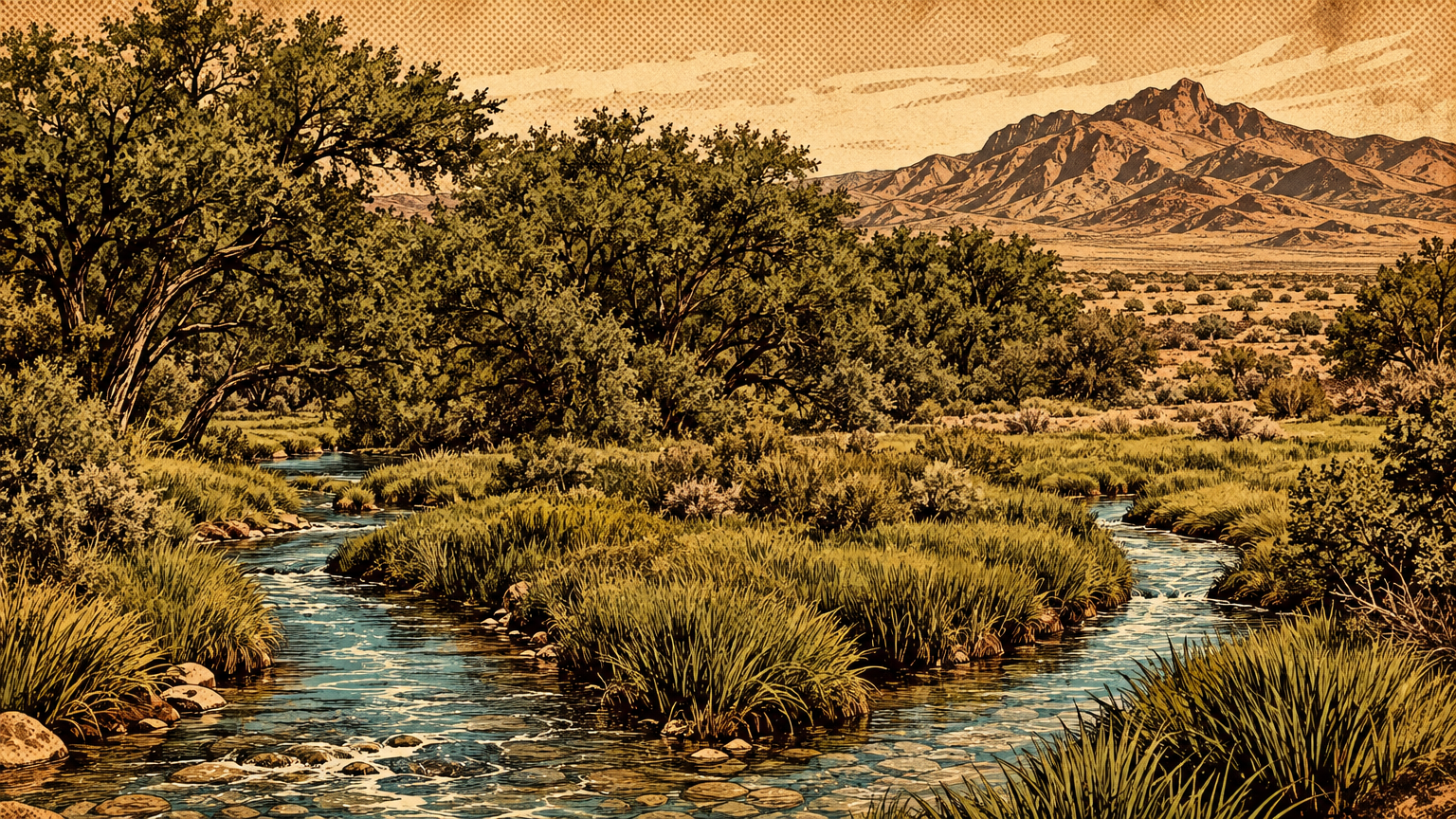
What Las Vegas Looked Like Before Pavement and Lawns
Before the pavement, this valley was a creosote desert cut by green ribbons: spring meadows, mesquite bosques, grass pockets, and a wash that ran east. This is the landscape the city replaced, and the two big pieces of it you can still walk today.
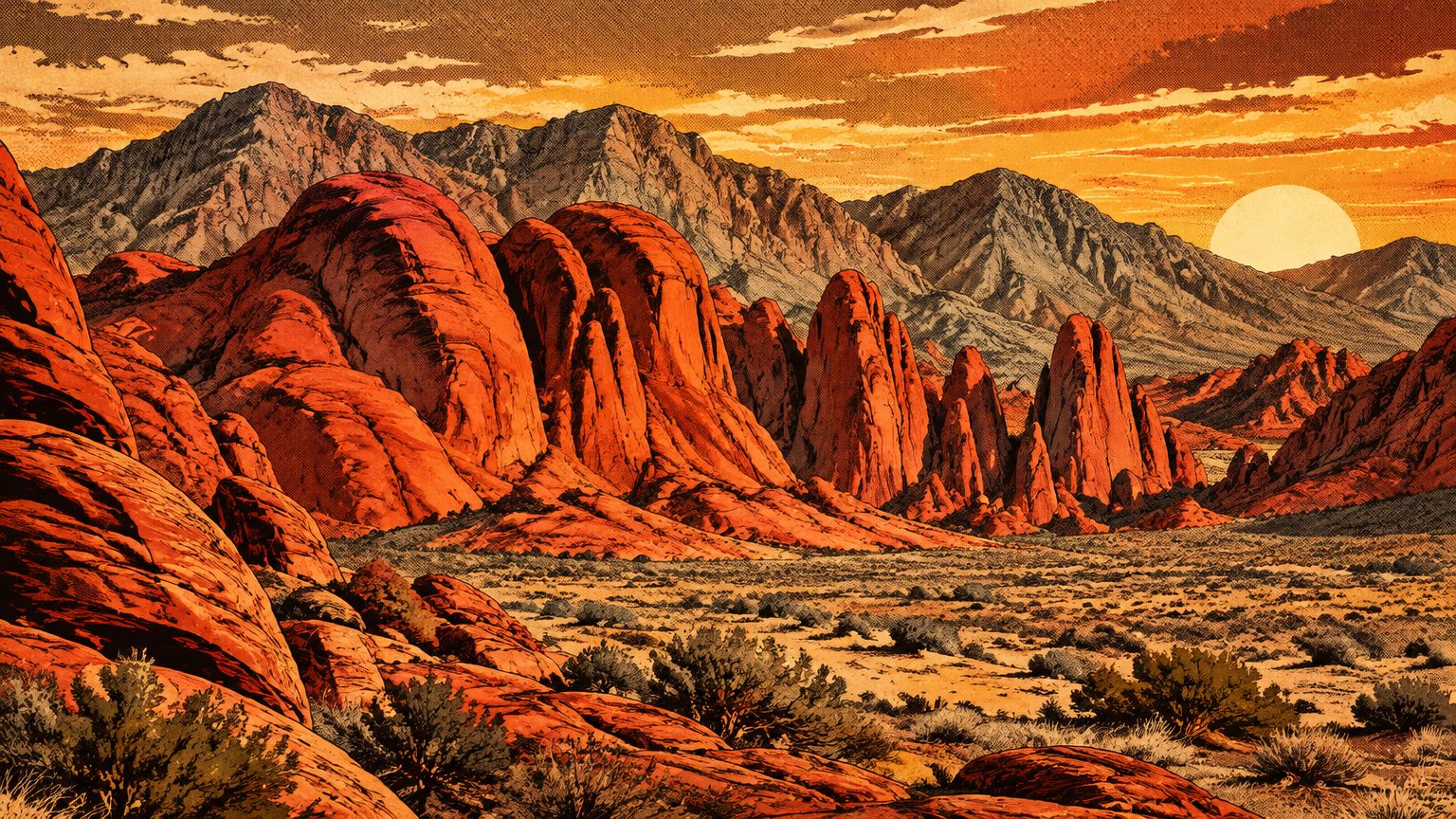
Valley of Fire Before It Became a State Park
Fifty miles from the Strip, Jurassic dunes turned to red stone, tanks held the only water, and people pecked art into desert varnish for 2,500 years before Nevada made it its first state park in 1935.
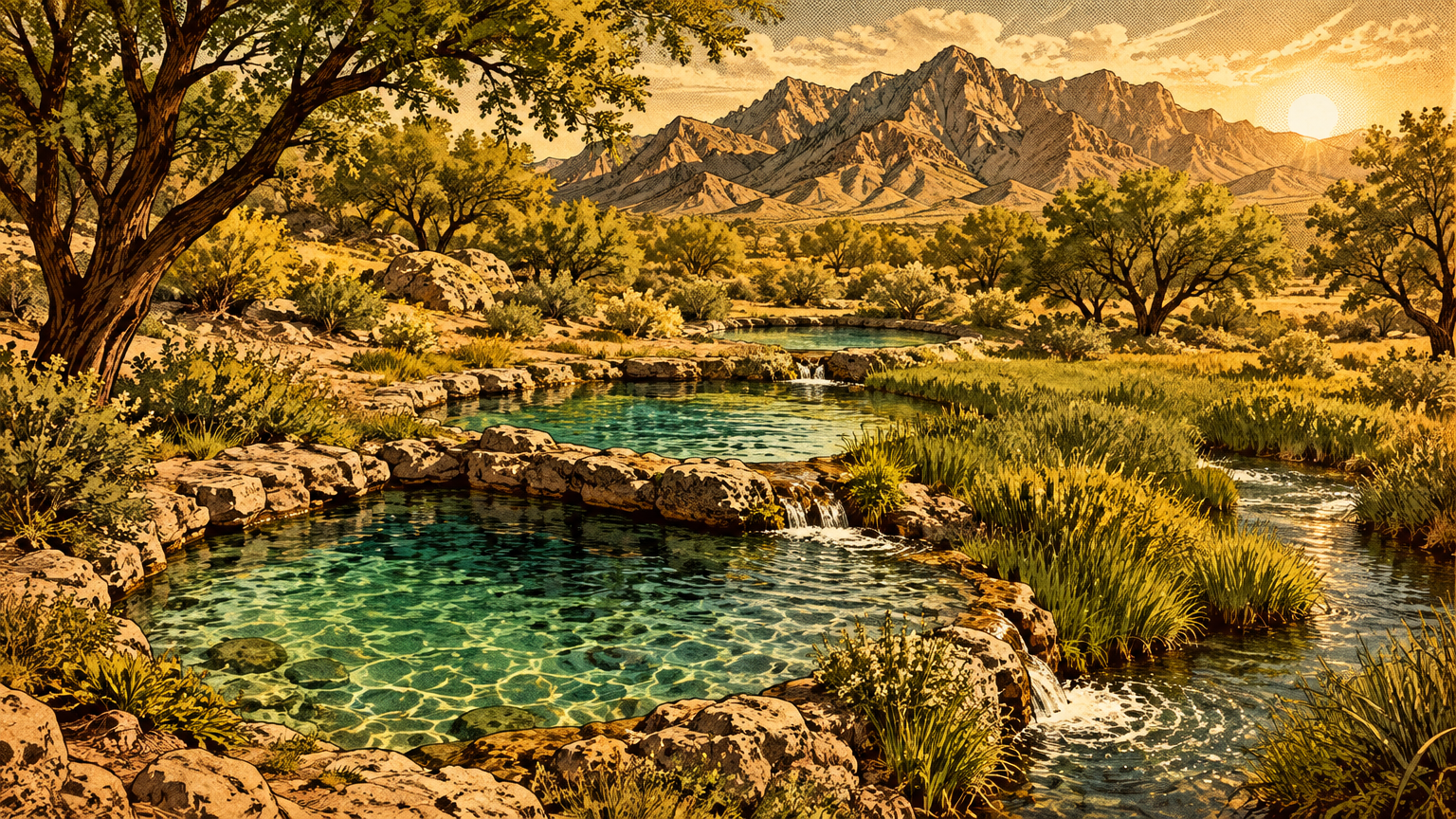
Why the Las Vegas Springs Were a Desert Lifeline
Three springs, one pressurized aquifer, and a green mile of meadow in the middle of the Mojave. How the Las Vegas Springs worked, what they fed, and how a thirsty city pumped the pressure out of them by 1962.
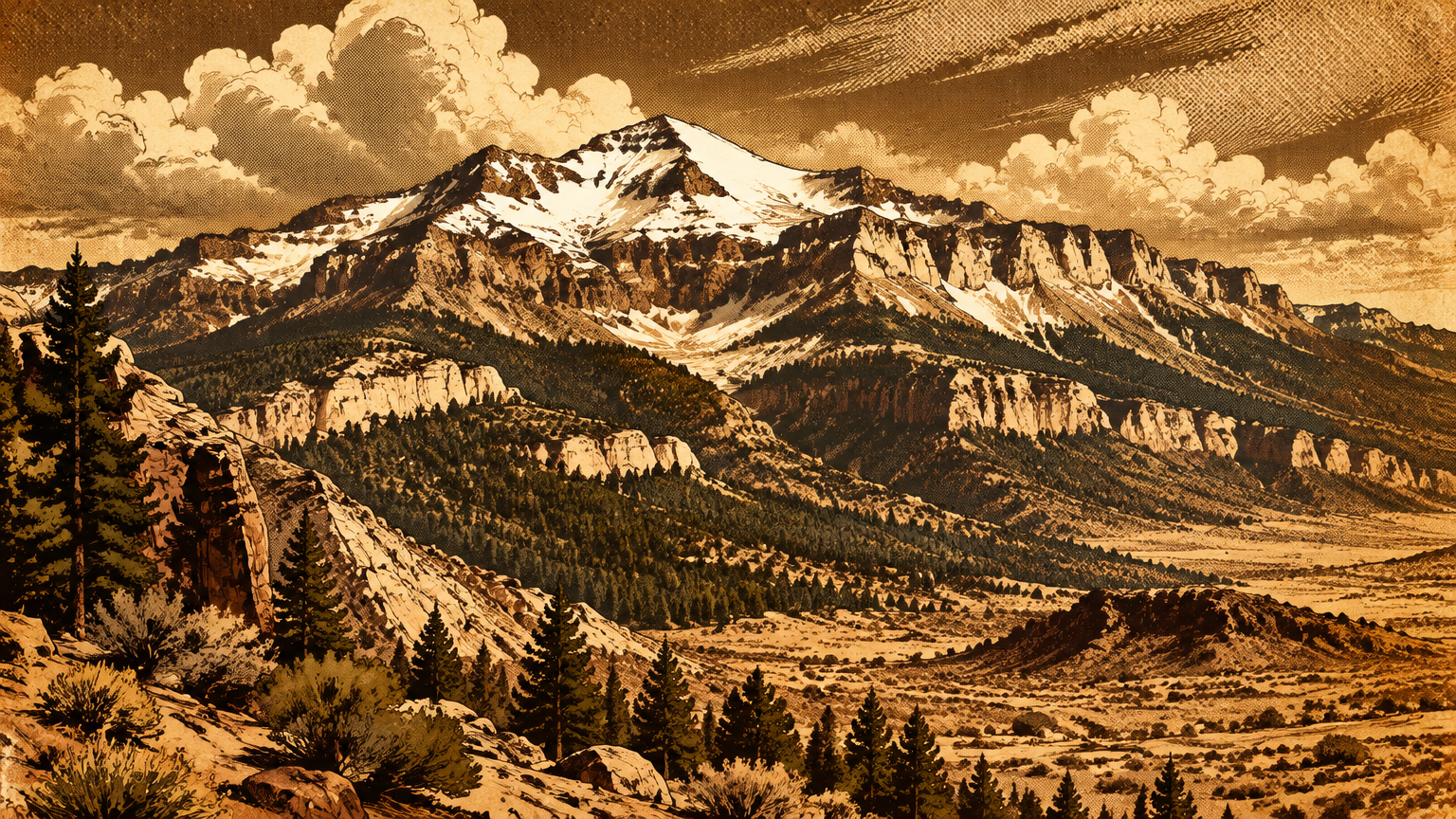
The Spring Mountains Before the Skyline
Before the neon, the white wall west of the valley caught the snow, stored the water, and sheltered species found nowhere else on Earth. This is the story of the Spring Mountains: sky island, water tower, and the Southern Paiute creation place called Nuvagantu.
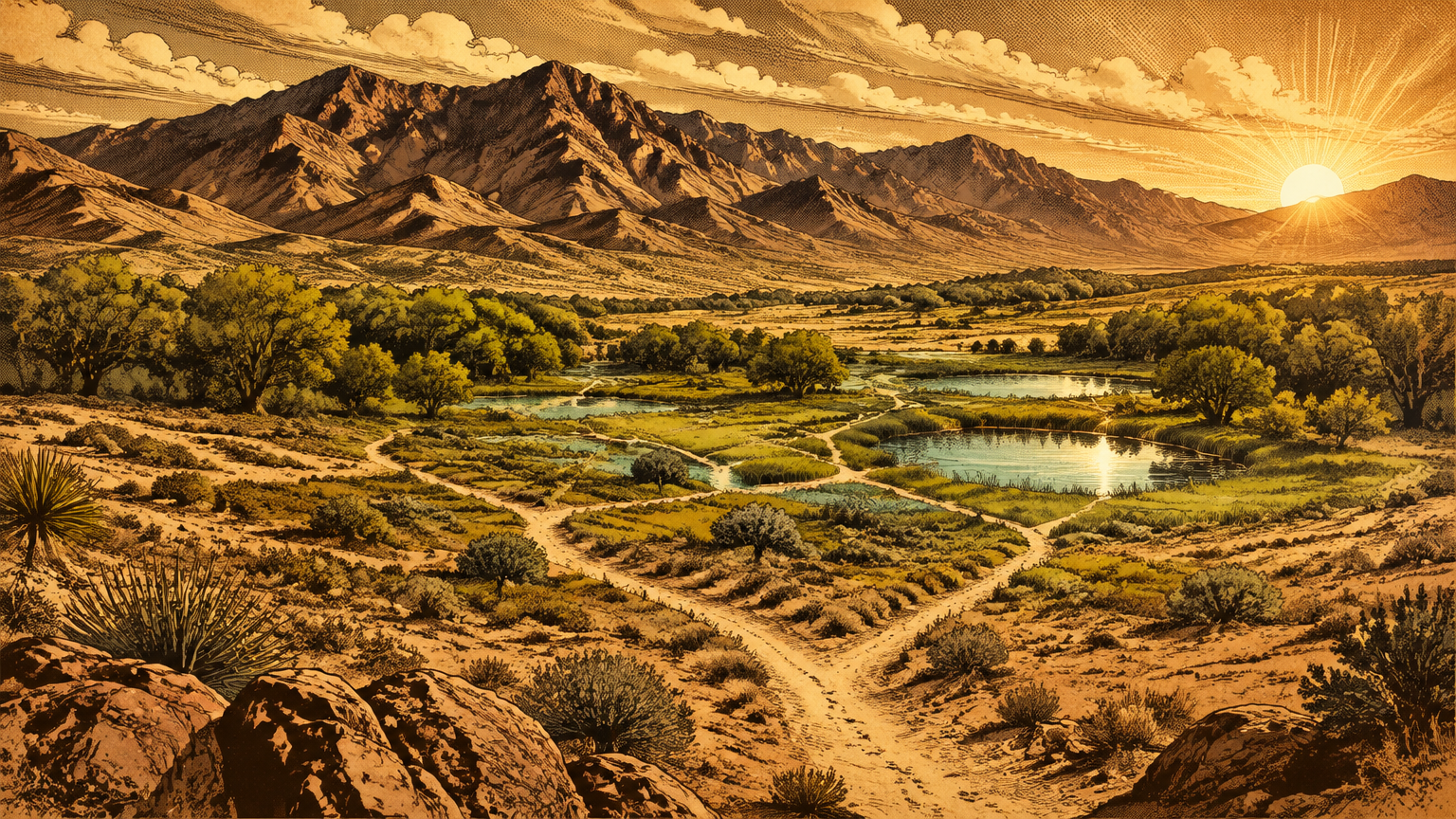
The Ancient Footpaths Beneath Modern Las Vegas
Before the highways, the valley was already a junction. Its first routes ran spring to spring on foot, and the honest map of them is certain at the water, probable across the desert, and gone under the city.
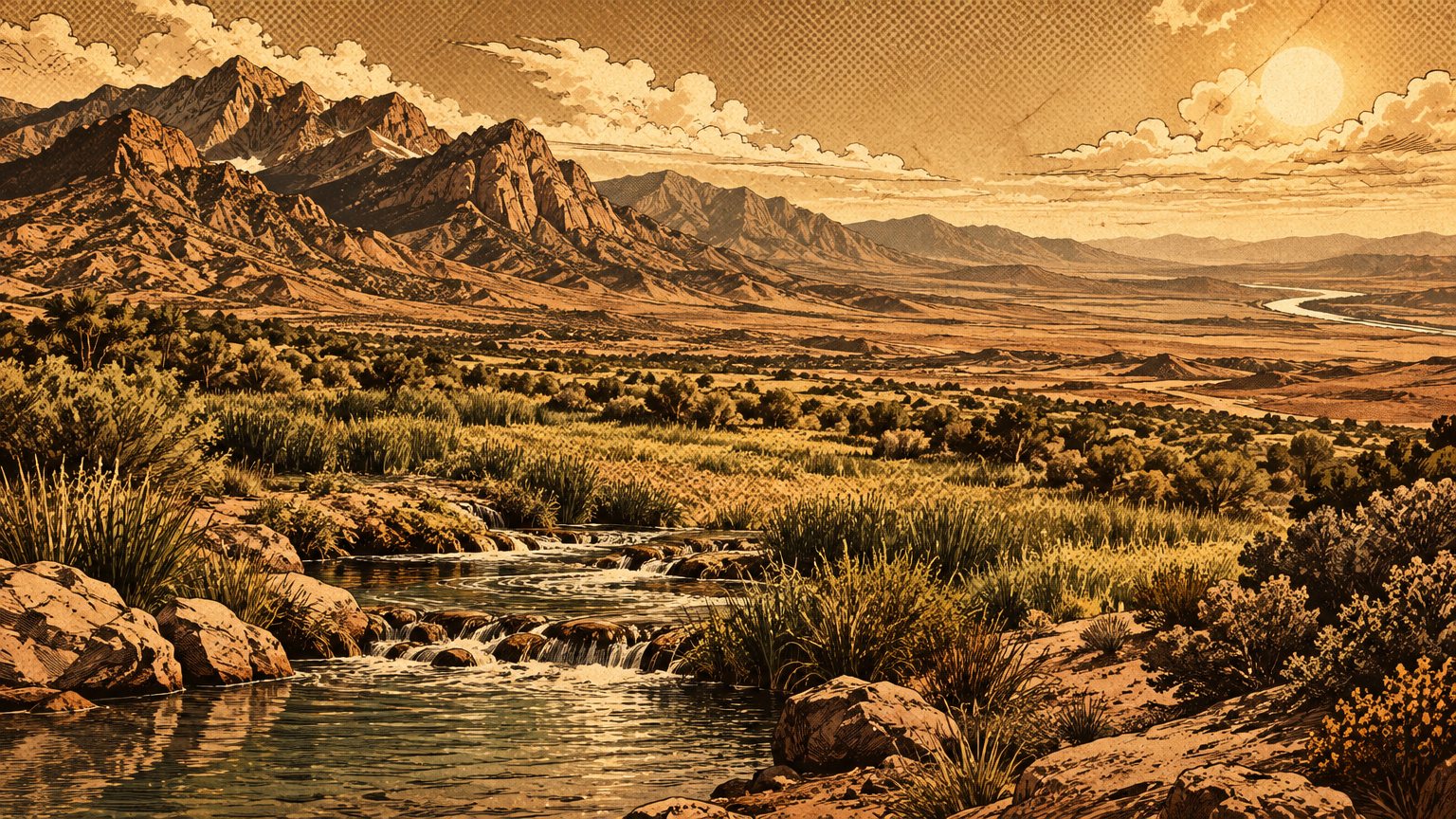
The Southern Paiute Homeland That Predates Las Vegas
Before it was a city, this valley was a homeland. The Southern Paiute, the Nuwu, have names, a language, songs that map the desert, and a sovereign nation that still governs from Paiute Drive.
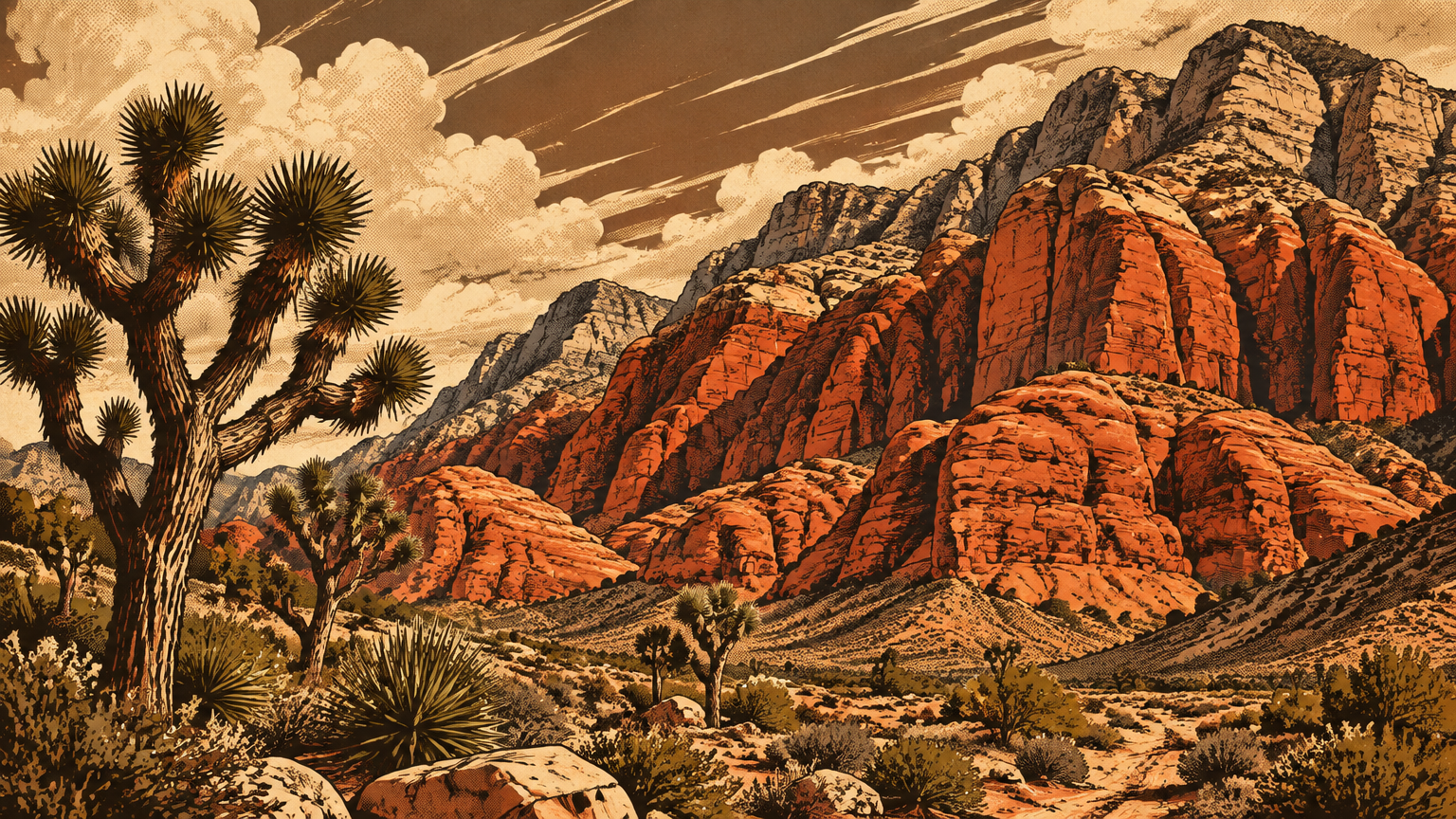
Red Rock Before the Scenic Drive
Seventeen miles from the Strip, a sea floor sits on top of a dune sea, springs hide in the canyons, and people left art on the walls for thousands of years before anyone built a road to look at it.
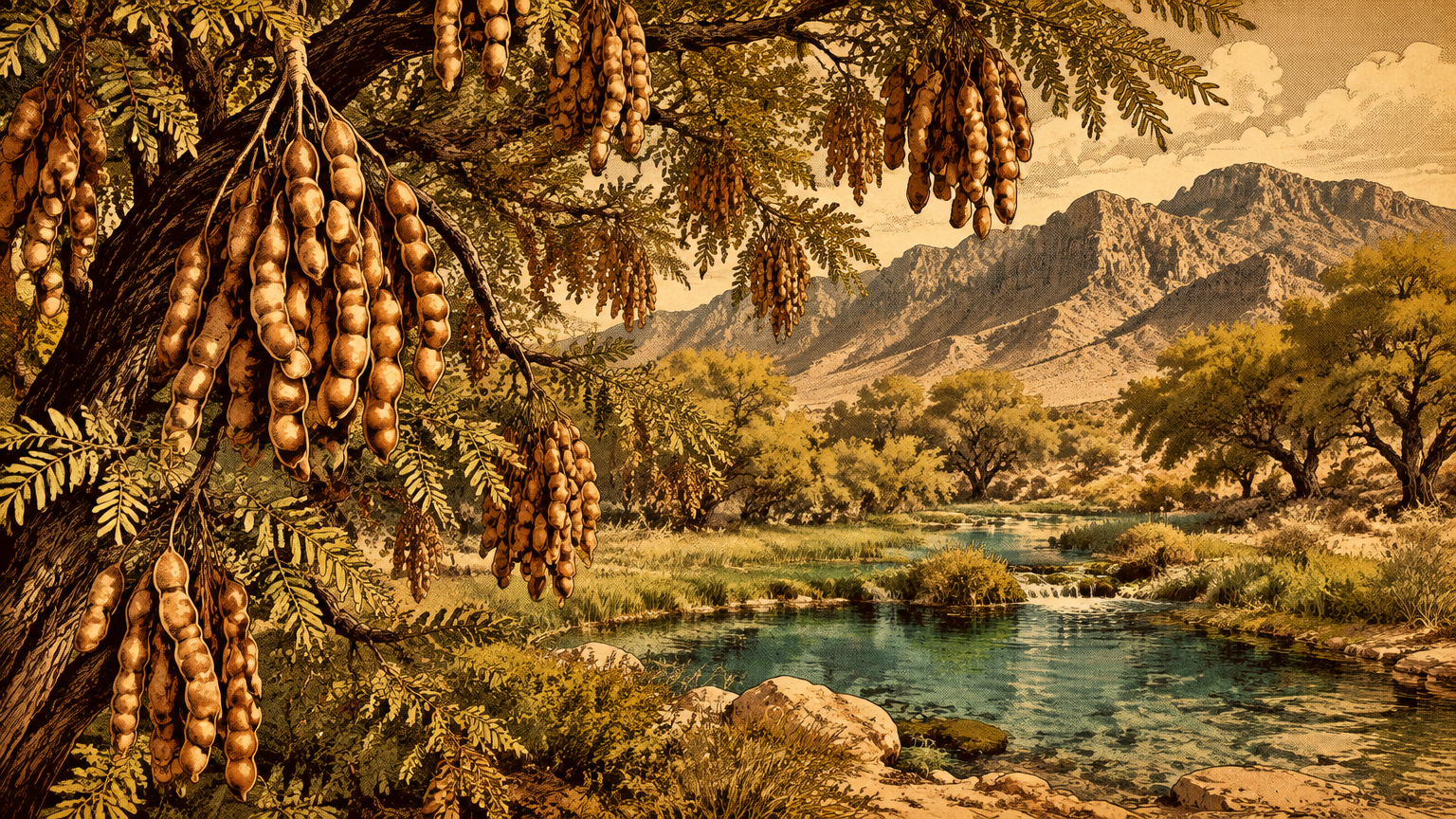
The Desert Plants That Helped Sustain Early Valley Communities
Before the neon, this valley ran on a pantry written into the land itself: mesquite ground into flour that kept all winter, pine nuts cached in the mountains, agave roasted in stone lined pits, and gardens beside the springs.
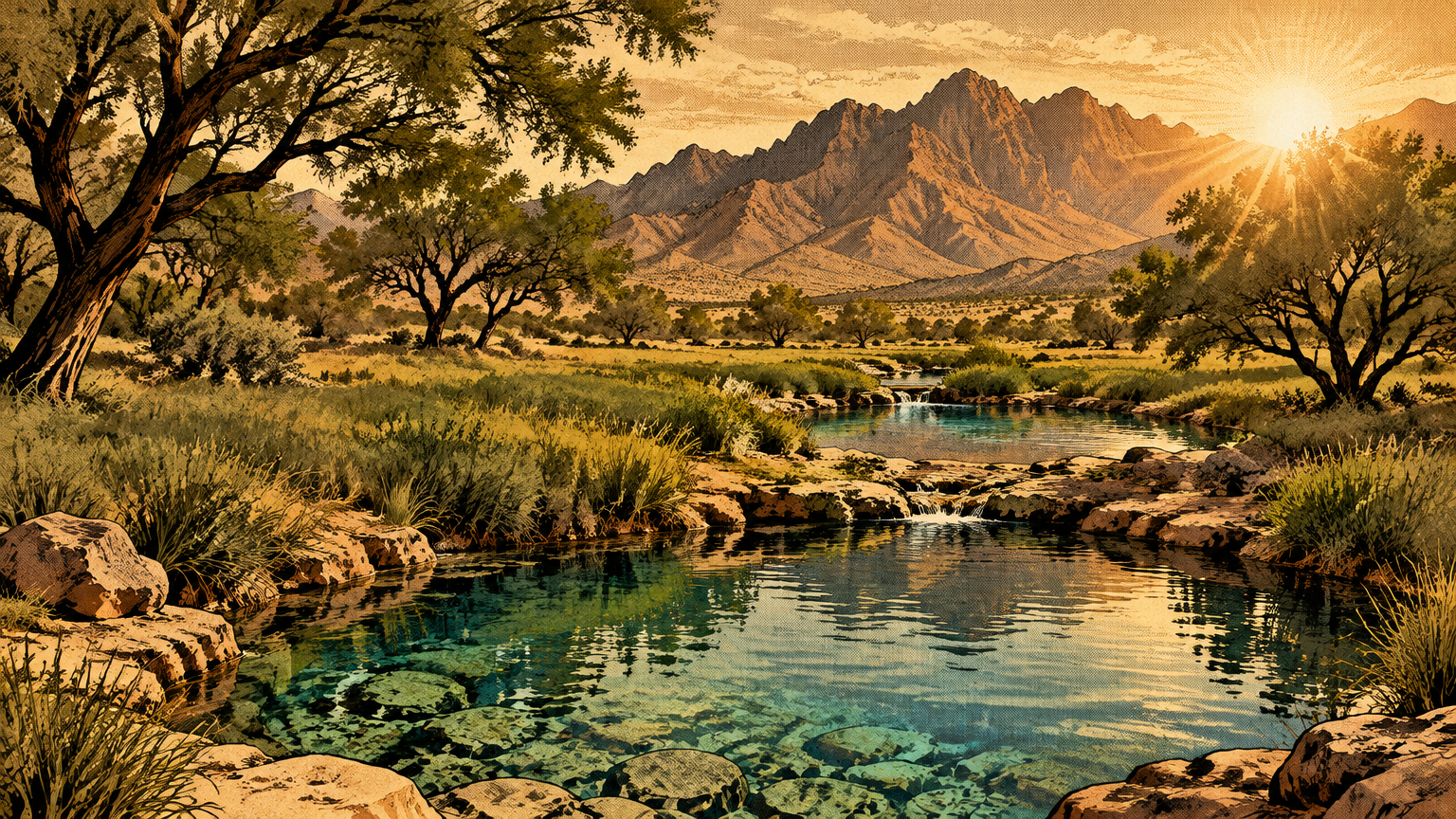
The First People of the Las Vegas Valley: What Archaeology Can Tell Us
Long before the railroad, people lived, gardened, and traveled through this valley for well over a thousand years. The evidence is stone, shell, and charcoal, and knowing exactly what it can and cannot prove is the real story.
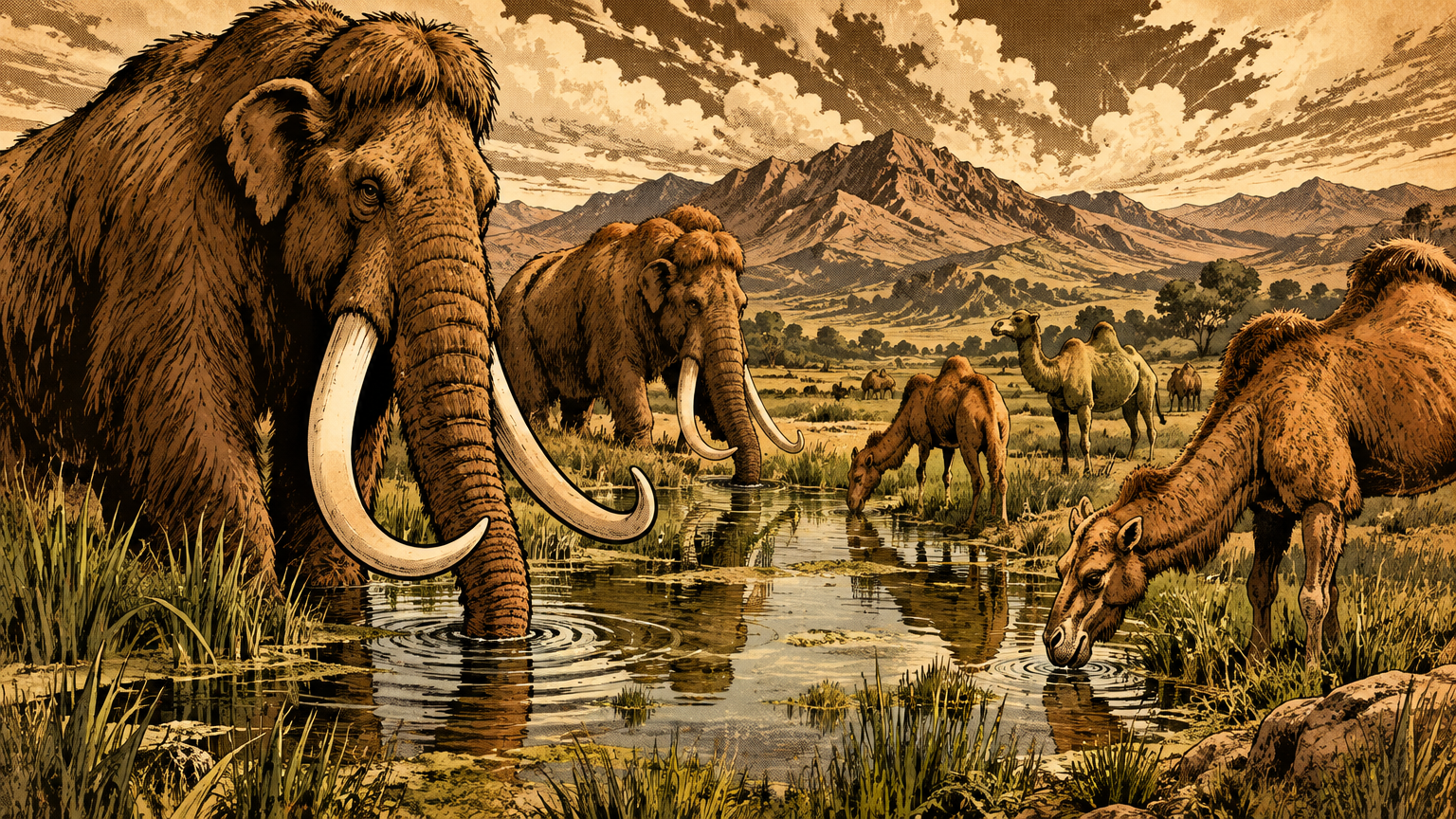
The Ice Age Animals That Once Roamed Southern Nevada
Mammoths, camels, giant sloths, and saber toothed cats once lived where Las Vegas now stands. Their bones fill the Tule Springs fossil beds, and the confirmed list is both richer and more honest than the movie version.
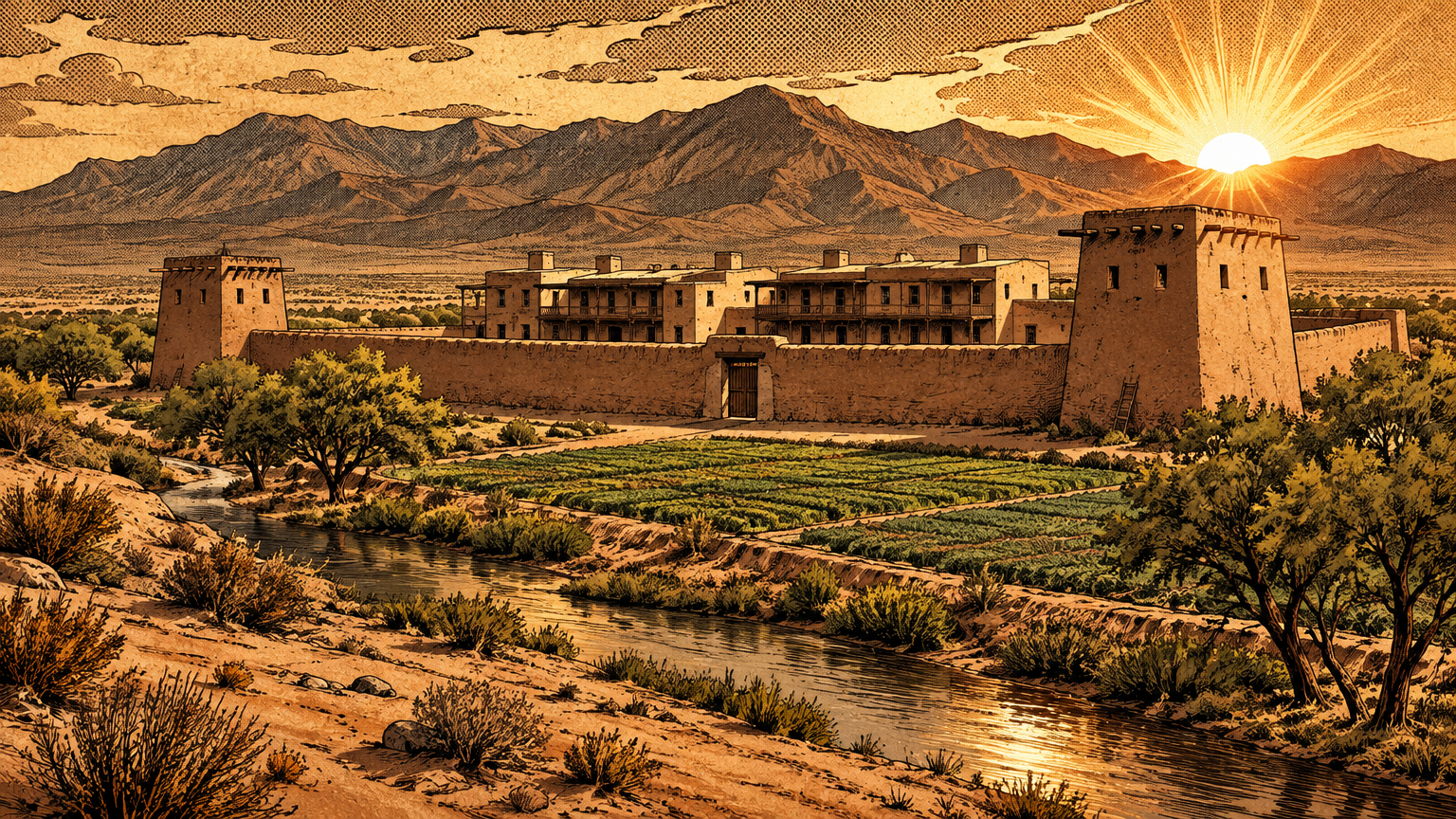
The Fort That Failed: Las Vegas' First Big Gamble Before Gambling
In 1855, thirty Mormon missionaries built an adobe fort beside Las Vegas Creek and tried to plant a permanent settlement in the desert. Within two years, almost all of them were gone. Chapter 002 of Vegas, Back Then tells the story of the valley's first big gamble, decades before the first casino.
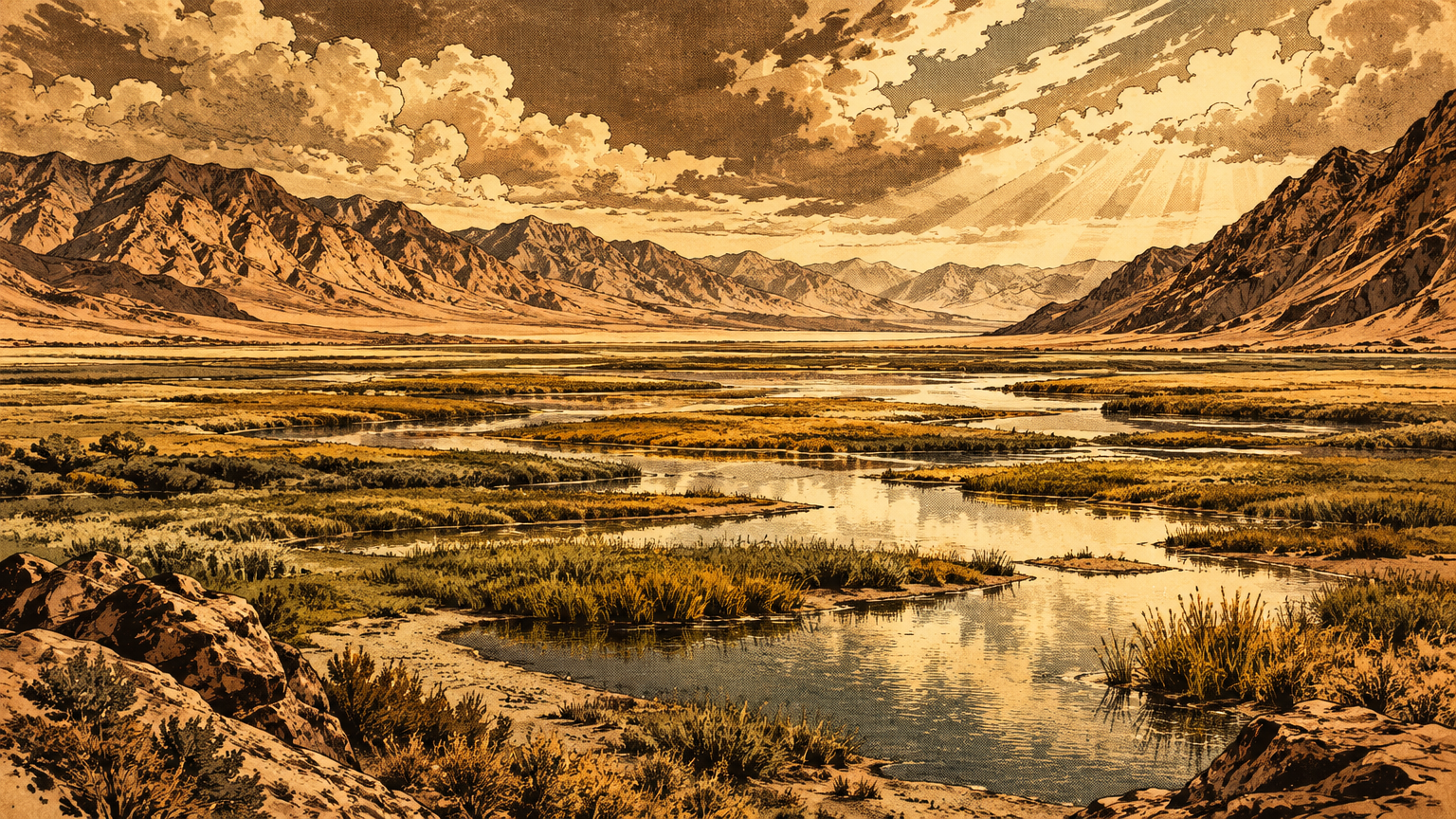
Before Humans, What Did the Las Vegas Valley Look Like?
Long before people, the Las Vegas Valley was a wet, green spring landscape of marshes, meadows, and mammoths. The evidence is still buried under the city's north edge, and it reads like a climate diary written in mud and bone.